English
 Español
 Français
 Deutsch
 Italiano
 Português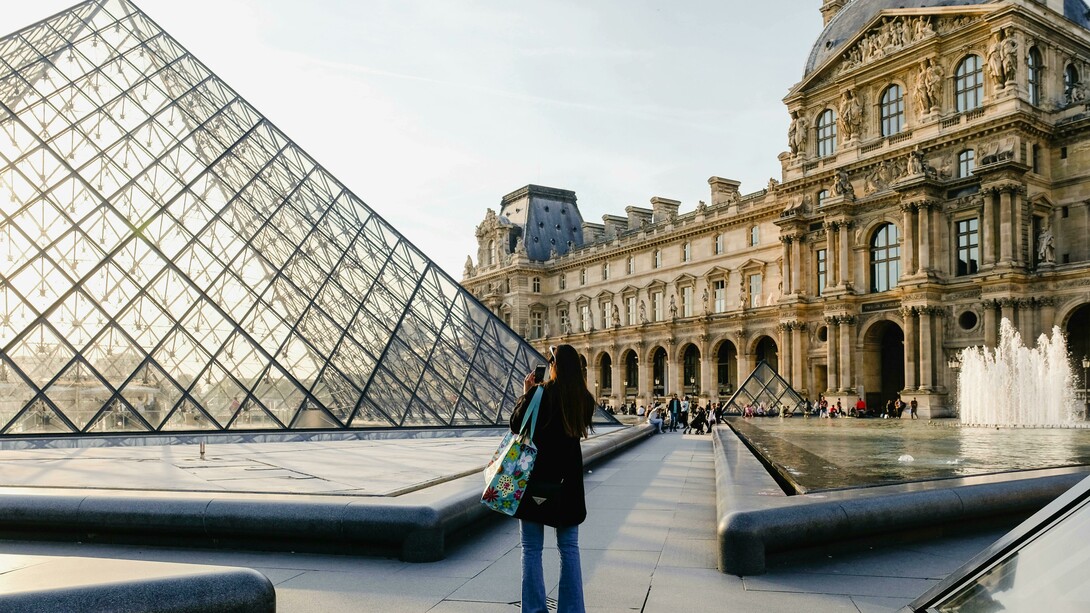
In 2017, I had the extraordinary opportunity to explore one of the world’s most enchanting cities: Paris. Often celebrated as a symbol of romance and elegance, the city reveals a much deeper identity when experienced through the eyes of a visitor. Beyond its iconic landmarks lies an intricate cultural landscape shaped by history, art, philosophy, and the everyday rituals of its people. Paris is not merely a destination; it is a living masterpiece where the past and present coexist, creating a unique atmosphere that captivates and inspires.
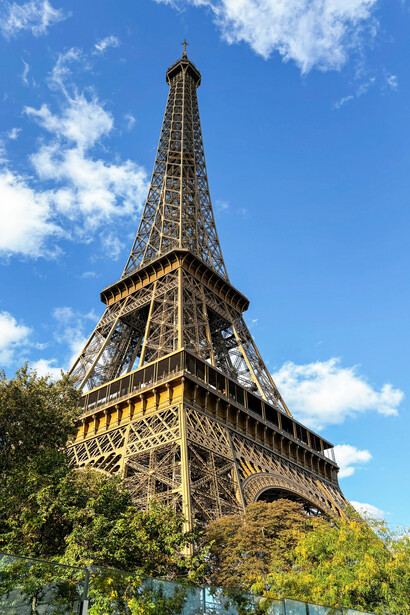
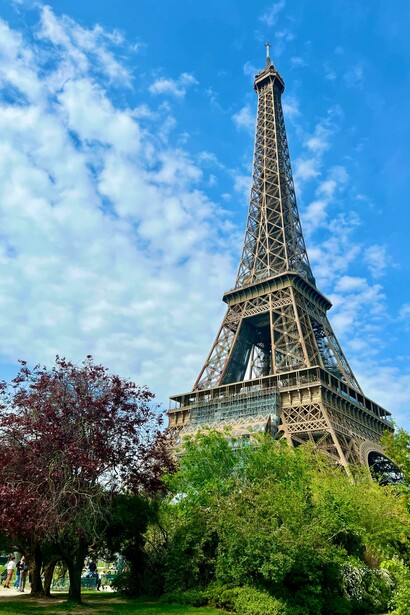
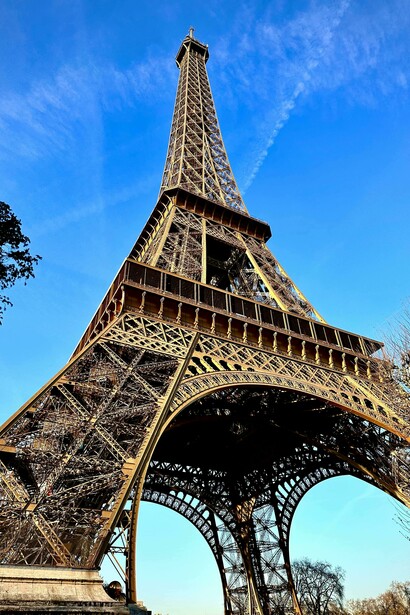
A tourist’s journey typically begins with the landmarks recognized across the globe. The Eiffel Tower rises above the skyline as both an engineering achievement and a cultural emblem, representing France’s innovation and artistic ambition. Standing beneath it, visitors quickly realize that its significance goes beyond visual appeal; it reflects national pride and the historical evolution of modern Paris. The surrounding boulevards and gardens demonstrate a careful approach to urban design, showcasing the French appreciation for beauty, balance, and harmony in public spaces. Architecture here tells stories—each building representing a chapter of cultural transformation.
Walking along the Seine introduces visitors to the intellectual heart of the city. Historic bookstalls line the riverbanks, displaying vintage novels, art prints, and historical postcards. These stalls serve as reminders of Paris’s long-standing role as a center for writers, philosophers, and artists. The atmosphere encourages reflection, allowing tourists to feel connected to generations of creative thinkers who once walked the same streets. Even a simple stroll becomes an encounter with cultural heritage, illustrating how deeply creativity is woven into daily life.
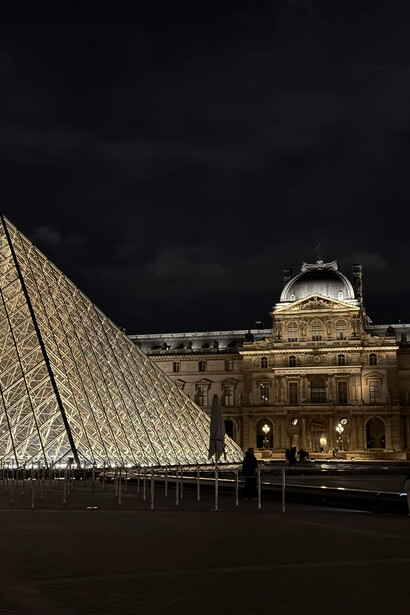
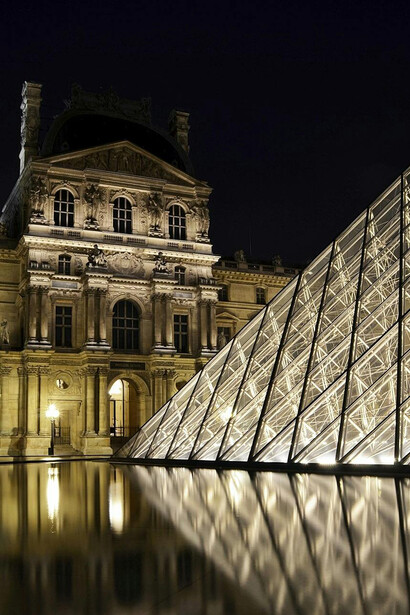
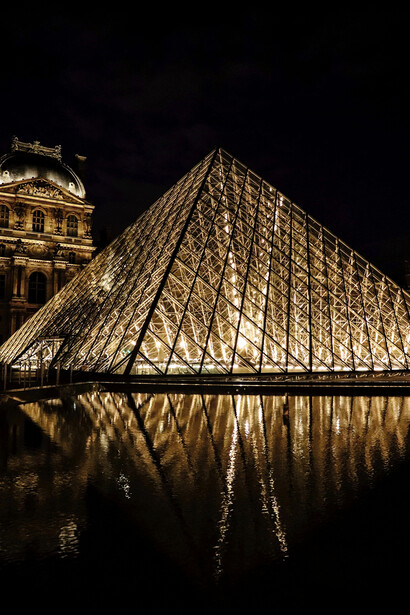
Museums form another cornerstone of Parisian identity. The Louvre stands as one of the most celebrated museums in the world, housing masterpieces that span centuries and civilizations. For many visitors, the experience goes beyond viewing famous artworks; it becomes a journey through human history and imagination. Smaller galleries and neighborhood museums further emphasize Paris’s commitment to art, revealing emerging artists alongside historical treasures. These spaces highlight how culture is preserved while simultaneously evolving, reinforcing the city’s role as both guardian of tradition and incubator of innovation.
Café culture offers tourists a direct insight into Parisian values. Sitting at a small outdoor table, watching the rhythm of the street unfold, becomes a meaningful ritual rather than a simple pause between activities. Parisians often face outward, engaging with their surroundings and observing the world with quiet attentiveness. For visitors accustomed to fast-paced environments, this slower rhythm encourages mindfulness and presence. Conversation flows easily, time feels less urgent, and the café becomes a symbol of social connection and reflection.
Food culture also plays a significant role in shaping the tourist experience. Bakeries display rows of golden croissants, delicate pastries, and freshly baked bread, reflecting a deep respect for culinary craftsmanship. Local markets offer vibrant displays of produce, cheeses, and regional specialties, highlighting the importance of quality ingredients and seasonal traditions. Dining in Paris transforms meals into shared experiences that celebrate flavor, artistry, and human connection. Even simple dishes are prepared with care, demonstrating how gastronomy is an essential expression of cultural identity.
Exploring different neighborhoods reveals the diversity within Paris itself. Montmartre, known for its artistic heritage and bohemian spirit, evokes images of painters and musicians who found inspiration in its winding streets. In contrast, Le Marais blends historical architecture with contemporary fashion and creativity, illustrating how tradition and modernity coexist. Each district offers a distinct personality, reminding tourists that Paris is not defined by a single narrative but by a collection of cultural voices that together create a dynamic urban tapestry.
Fashion represents another powerful cultural dimension. Paris has long influenced global style, and tourists quickly notice how personal presentation reflects confidence and individuality. Fashion in Paris often emphasizes simplicity, elegance, and thoughtful detail rather than excess. Observing everyday street style becomes an unexpected form of cultural learning, revealing how clothing serves as both self-expression and artistic statement.
Language and social etiquette also shape the visitor’s experience. Small interactions, such as greeting shopkeepers with “bonjour” or using polite expressions when ordering food, demonstrate the importance of respect and social awareness in French culture. These customs may initially feel unfamiliar to tourists, yet they provide insight into the values that structure daily interactions. Learning and adapting to these subtle cultural expectations allows visitors to engage more authentically with the city.
As evening approaches, Paris transforms once again. Soft light illuminates historic facades, reflections shimmer across the Seine, and the city’s energy shifts toward shared social experiences. Restaurants fill with laughter, musicians perform along busy streets, and conversations continue late into the night. The atmosphere captures why Paris is known as the City of Light—not only for its illumination but also for the warmth and vibrancy of its cultural life.
Ultimately, experiencing Paris through the eyes of a tourist means discovering a culture that values beauty, creativity, and thoughtful living. Visitors arrive with expectations shaped by images and stories, yet they often leave with a deeper understanding of how culture influences everyday life. Paris encourages travelers to slow down, observe carefully, and engage fully with their surroundings. More than a place to visit, it becomes a lesson in appreciating art, history, and human connection—an experience that lingers long after the journey ends.