English
 Español
 Français
 Deutsch
 Italiano
 Português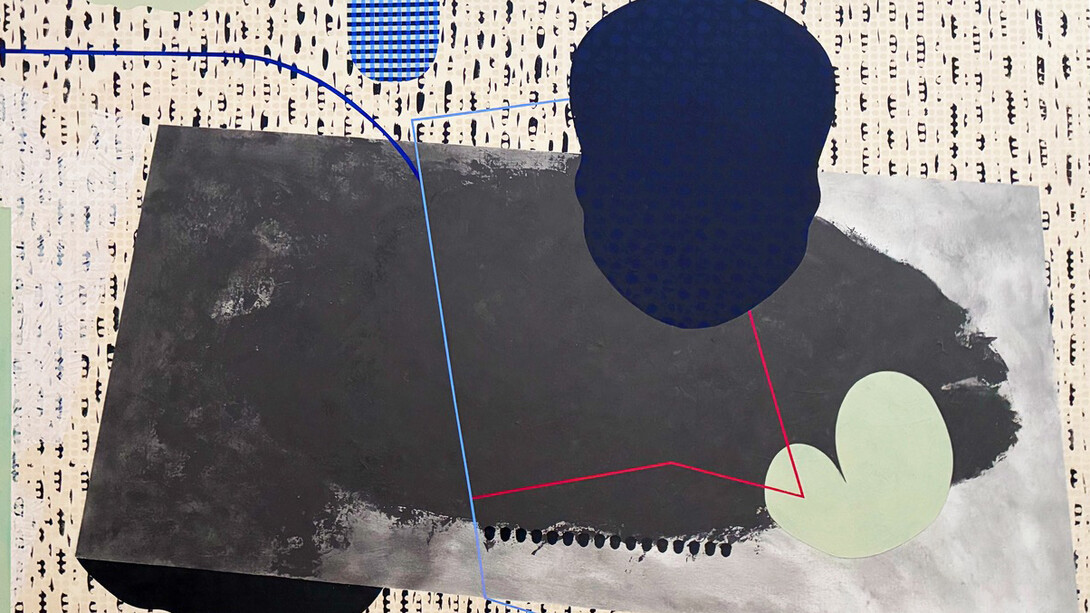
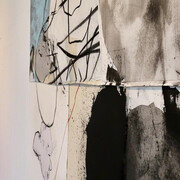
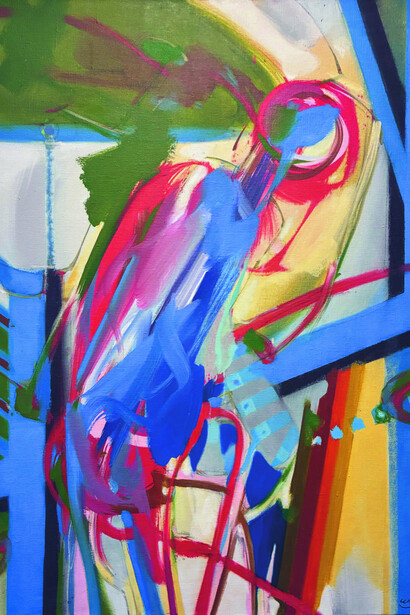
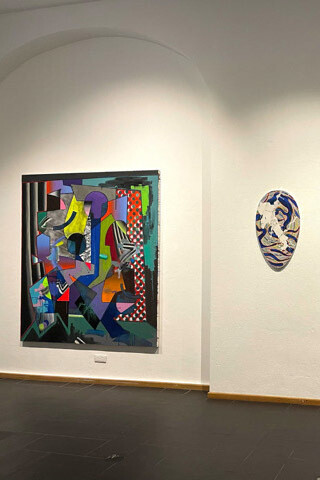
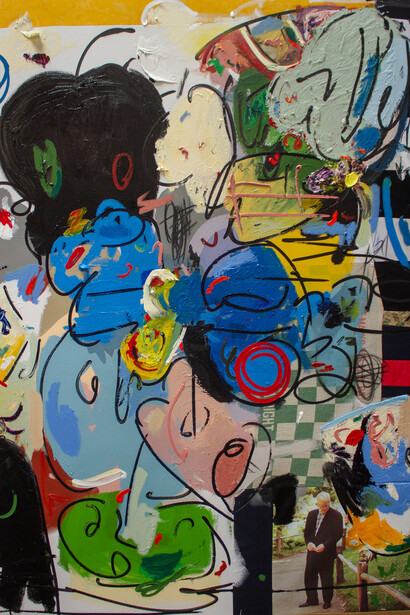
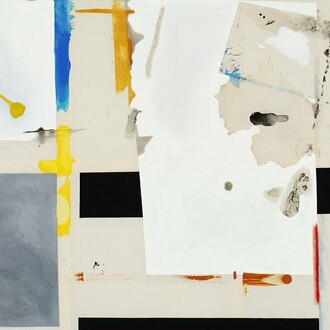
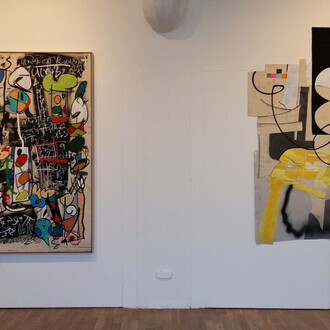
This is the continuation of the 2019 exhibition The new abstract - An Atlantic bridge - USA - Berlin featuring well-known and new positions from both sides of the Atlantic. In view of deteriorating relations at the political level, one might expect a breakdown rather than a renewed bridge-building, but not in the field of art.
Since De Kooning and Kurt Schwitters, a dialogue has been taking place in both directions across the transatlantic bridge in the universal language of painting, through which the part- ners have influenced and enriched each other.
Social media and the globalization of the market have further reinforced this trend. One could say that the artists are knitting together a common visual language through rampant mutual appropriation.
We value the fact that this dialogue also takes place between generations by including the German post-war artist Ernst Weil and the American Robert Rauschenberg. The extent to which they are sources of inspiration and dialogue partners for their younger successors is evident here.
What we discover here are coincidental affinities and elective affinities—not surprising in this melting pot of Western art.
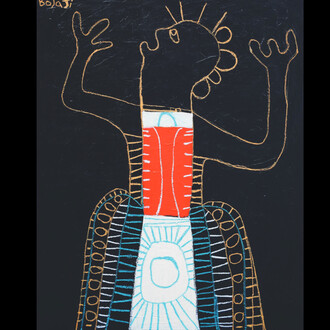
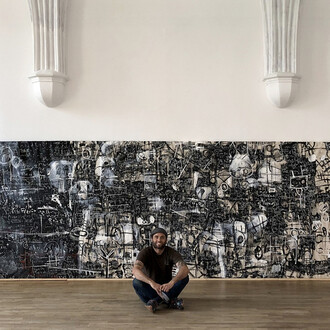
The dark abstract elegies of Juan Logan are combined with the powerful dark compositions of the ex-Berliner Adochi - as well as Christian Achenbach's abstract pictorial spaces and Fiona Ackermann's carefully calculated gestures.
The conversation turns to the excessive, wild large-scale collages of Texan artist Howard Sherman and the equally material-intensive paintings of the older artist Natascha Mann.
Berlin artist Claudia Chaseling, who extends into space in her installations and spatial paintings, and Canadian artist Fiona Ackerman, who creates imaginary pictorial spaces in her figurative and abstract compositions, are both masters of mural painting in public spaces, as are Jonni Cheatwood and Gregor Hiltner.
A surprising connection emerges between the youngest of the American artists, Jonni Cheatwood, and the oldest of the German artists, Ernst Weil: both artists' compositions draw on the tension between classical and modern styles.
A touch of nostalgia also wafts through the well-composed collages by New Yorker Robert Szot and the informal abstract landscapes by Virginia Glasmacher.
The format-breaking, self-referential abstractions of American artist Taylor A. Whites are cut from the same cloth as the compositions of Berlin artist Gregor Hiltner, which are idiosyncratic in form and visual language.
The great master in the background, Robert Rauschenberg, who himself would be inconceivable without the German Kurt Schwitters, is present here with a large silkscreen print, revealing further connections.
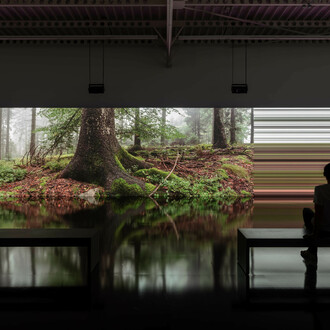
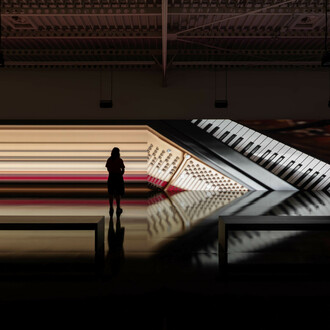
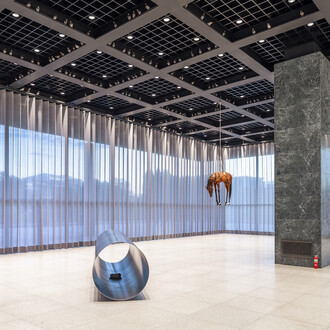
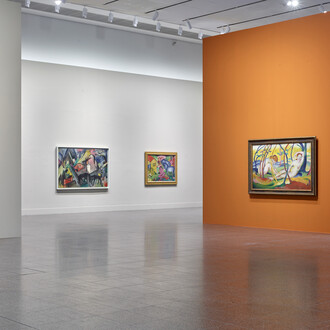
![Various artists, [ materialistin ], exhibition view. Courtesy of Hamburger Bahnhof](/attachments/fd8f4fd76b73be0a02d398535c29d017e1309b65/store/fill/330/330/3f54331fd7869a13166dfe67a9e91306c6e180b2e29b9fd308d958b87ad2/Various-artists-materialistin-exhibition-view-Courtesy-of-Hamburger-Bahnhof.jpg)