English
 Español
 Français
 Deutsch
 Italiano
 Português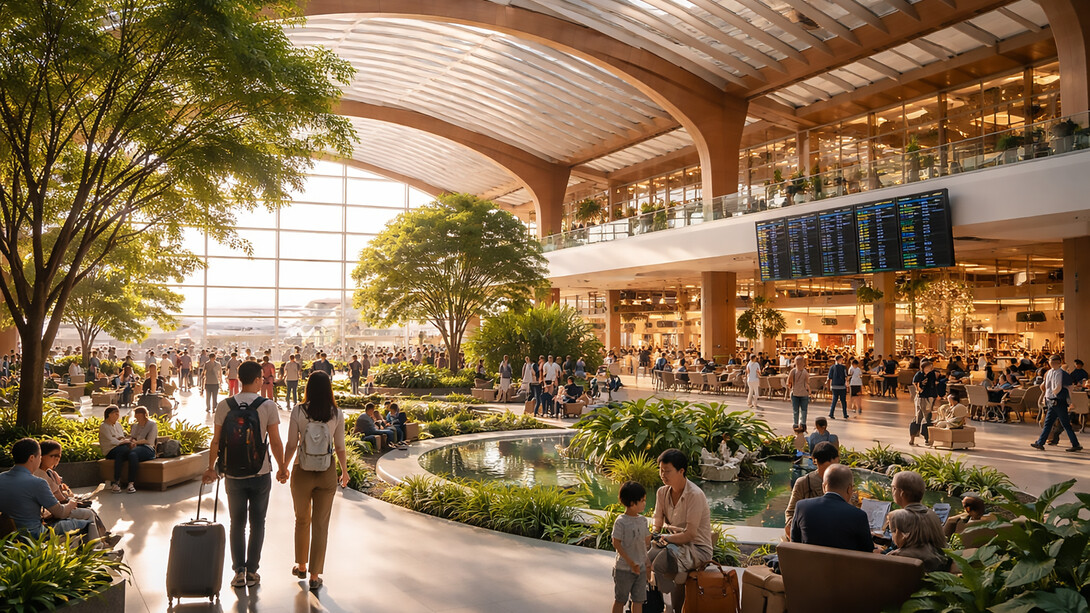
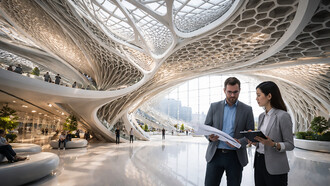
Airports have long been perceived as necessary but stressful gateways. They are spaces defined by queues, security checks, and waiting. Yet as global travel rebounds and passenger expectations rise, airports are undergoing a profound transformation. No longer designed solely for efficiency and security, the airport of the future is increasingly conceived as a user-centered environment, where architecture, technology, and service design converge to create smoother, more humane travel experiences. At the heart of this evolution lies a shift in mindset. Travelers are no longer viewed as passive passengers moving through infrastructure but as users navigating a complex journey with emotional, physical, and cognitive needs. Clarity, accessibility, comfort, and delight are now informing how airports are planned and built. Architecture plays a critical role in translating these principles into physical form, shaping how travelers move, feel, and interact within the space.
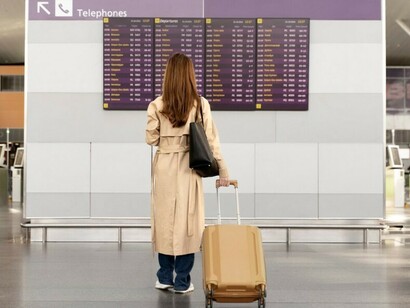
One of the most visible changes is the rethinking of passenger flow. Traditional airport layouts often relied on rigid, linear movement that amplified congestion and confusion. Contemporary airport architecture emphasizes intuitive wayfinding through spatial cues rather than excessive signage. Natural light, sightlines, ceiling heights, and material changes subtly guide travelers from curb to gate. When architecture communicates direction clearly, stress levels drop and travelers move more confidently, even in unfamiliar environments. Technology and architecture are also becoming deeply intertwined. Automated check-in, biometric security, and self-service baggage drops are reducing friction in key touchpoints, but their success depends on thoughtful spatial integration. Future-focused terminals are designed with flexibility in mind, allowing digital systems to evolve without disrupting the overall experience. Architecture becomes a silent partner to technology, ensuring that innovation feels seamless rather than overwhelming.
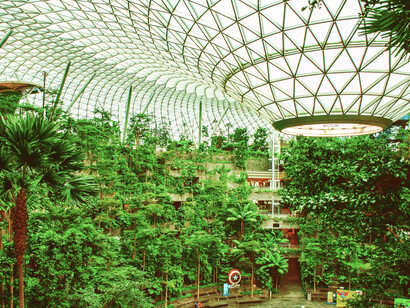
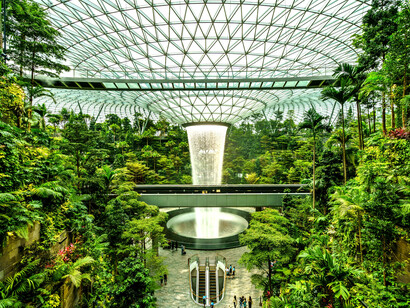
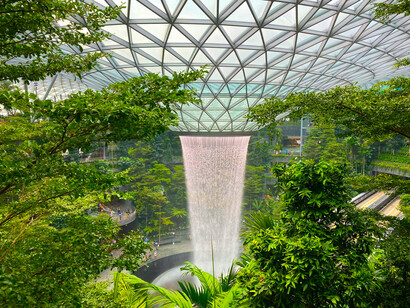
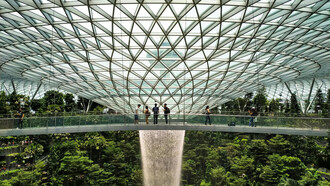
Comfort, once treated as a luxury, is now central to airport design. Long layovers and delays are unavoidable, but architecture can transform waiting from a burden into an opportunity for rest and restoration. Expansive seating zones, quiet rooms, wellness spaces, and access to nature through indoor gardens or outdoor terraces are becoming more common. Biophilic design, using natural materials, greenery, and daylight, has been shown to reduce anxiety and fatigue, making it especially valuable in high-stress travel hubs. Airports are also redefining their role as cultural ambassadors. Rather than anonymous, interchangeable spaces, many new terminals are designed to reflect local identity through art, materials, and architectural language. From regionally inspired forms to curated art installations, airports increasingly offer travelers a sense of place from the moment they arrive.
This fusion of architecture and art not only enriches the user experience but also turns the airport into the first chapter of the travel narrative. Retail and hospitality zones have similarly evolved through a user-centered lens. Instead of forcing travelers through commercial corridors, contemporary airport design prioritizes choice and transparency. Open layouts allow passengers to see amenities at a glance, while zoning strategies separate fast-moving travelers from those with time to spare. The result is a more respectful relationship between commerce and experience, where travelers engage because they want to, not because they must.
Accessibility and inclusivity are also shaping the future of airport architecture. Designing for a diverse range of users, including specially abled individuals, families, and elderly travelers, requires more than regulatory compliance. Clear acoustics, intuitive layouts, tactile surfaces, and calm sensory environments can dramatically improve usability. Sustainability is another defining factor in next-generation airport design. As major contributors to global emissions, airports face increasing pressure to reduce their environmental impact. Architecture responds through energy-efficient building systems, modular construction, and adaptive reuse of existing structures. Yet sustainability also intersects with user experience; consider naturally ventilated spaces, daylight-filled terminals, and locally sourced materials, which can help to create environments that feel healthier and more pleasant to inhabit.
The concept of the airport as a destination in itself is gaining momentum. Some of the world’s most forward-thinking travel hubs now include cultural venues, co-working spaces, hotels, and even public parks. This blurring of boundaries between city and airport reflects a broader architectural ambition, which is to design airports not as isolated infrastructures but as integrated pieces of urban life. For travelers, this means richer experiences and fewer psychological barriers between movement and dwelling. Ultimately, designing airports for the future is about empathy at scale. Millions of people with different expectations, anxieties, and rhythms pass through these spaces every day.
Architecture, informed by UX design, has the power to choreograph these journeys with greater care, reducing friction, supporting well-being, and adding moments of meaning along the way. As travel continues to evolve, the most successful airports will be those that place human experience at the center of every design decision.
In reimagining airports as user-centered travel hubs, architects and designers are redefining what it means to move through the world. The airport of the future is no longer just a point of departure or arrival; it is an experience designed to be efficient, comfortable, and, perhaps unexpectedly, enjoyable.