English
 Español
 Français
 Deutsch
 Italiano
 Português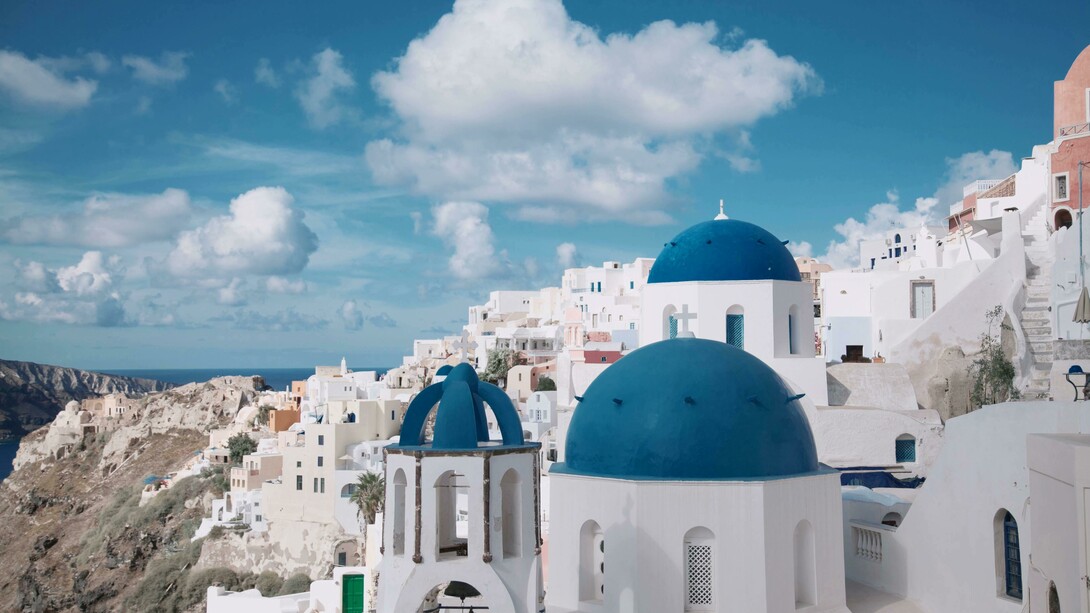
Travel and design are more interconnected than they seem at first glance. While design is often viewed as a studio-bound practice, rooted in sketchbooks, CAD tools, and mood boards, some of its most powerful inspiration comes from being out in the world, absorbing shapes, textures, colors, and ideas that exist outside one’s own culture. The influence of travel on design is profound, acting as both muse and method for designers across disciplines. At its core, good design solves problems. Great design does so while resonating emotionally and culturally with its users. When designers travel, they don’t just collect visual references; they gain insight into how people live, what they value, and how they interact with their environment.
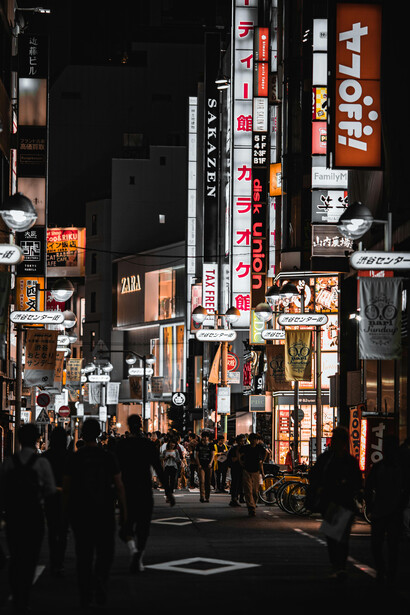
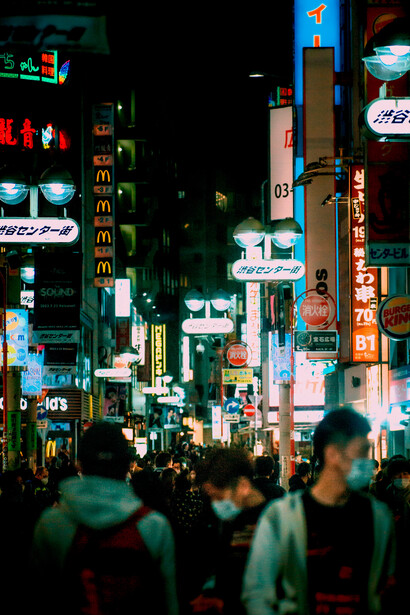
Consider the contrast between urban planning in Tokyo and New York. Tokyo's compact, efficient, and clean infrastructure reflects values of order, space-consciousness, and community etiquette. A designer who has experienced this firsthand can incorporate similar values into their own work, even if the aesthetic is entirely different. Empathy, in this sense, becomes a by-product of movement. Seeing how people in other parts of the world engage with objects, public spaces, and built environments can dramatically shift a designer’s understanding of user needs.
A palette from the world
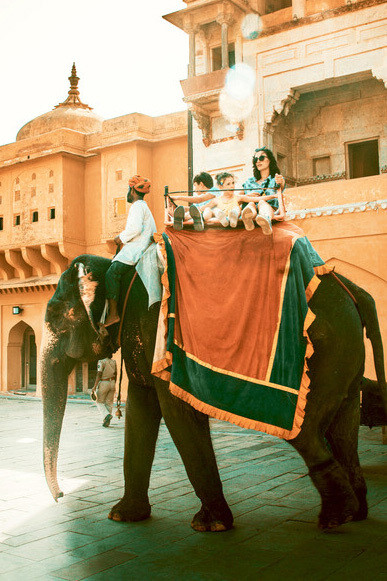
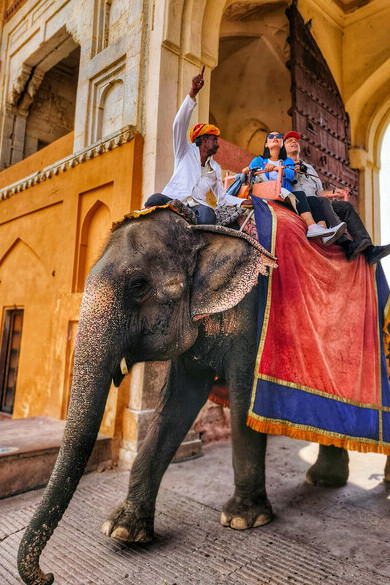
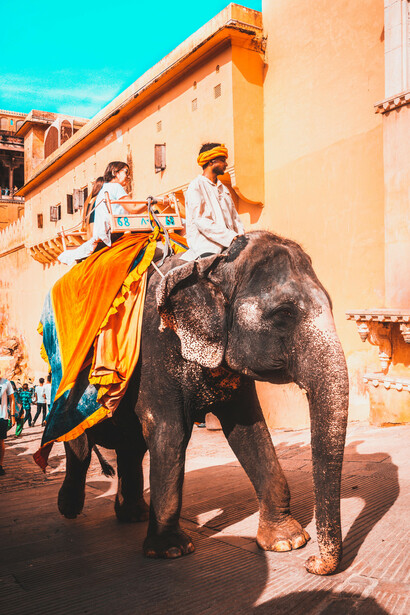
Color theory is often taught in a vacuum, with complementary hues, RGB models, and the psychology of red versus blue. But when you travel, color is something you feel. The ochres of Rajasthan, the cool blues of the Greek islands, and the lush greens of the Amazon—these palettes are not arbitrary. They arise from geography, climate, cultural symbolism, and history. Travel teaches designers to read color as language. For example, while white signifies purity in many Western cultures, it is associated with mourning in some Eastern ones. Moreover, seeing colors in context, under different natural lighting, in the midst of specific materials, or as part of local art, provides a nuanced understanding of how palettes actually function in the real world, outside of a color wheel.
Digital nomadism and the future of design thinking
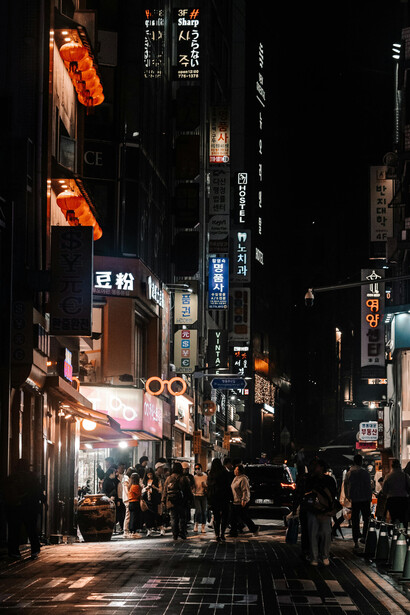
With the rise of digital nomad culture, many designers are now working while traveling. This constant state of flux and exposure has led to more fluid, adaptive design thinking. Whether it's co-working in Bali or freelancing from Lisbon, designers are building systems and products that cater to mobility, flexibility, and global audiences. For example, UI/UX design now increasingly considers multilingual navigation, culturally diverse icons, and region-specific user behavior. When your audience spans from São Paulo to Seoul, empathy isn’t optional; it’s foundational. Travel also influences design processes. Slow travel, in particular, allows for deeper cultural immersion, moving beyond visual aesthetics to embrace patterns of thinking, values, and community structures. These insights often lead to more inclusive and sustainable design choices.
Travel also nurtures resilience and adaptability—qualities every designer needs. Navigating unfamiliar places, confronting language barriers, and adjusting to different rhythms of life are exercises in problem-solving. These experiences mirror the design process itself: identifying challenges, rethinking assumptions, and finding creative solutions. A delayed train in Germany, a crowded market in Marrakech, or a rainstorm in Bali can each become unexpected lessons in flexibility, shaping how designers approach uncertainty in their work. Over time, these challenges build a mindset that values iteration, patience, and empathy, traits that make design more human-centered.
Caution against cultural appropriation
Of course, there’s a fine line between inspiration and appropriation. As designers, borrowing from other cultures without understanding or acknowledgment can lead to insensitive or exploitative outcomes. The difference lies in intention, research, and respect. Designers influenced by travel should strive to credit their sources of inspiration, collaborate with local communities, and avoid commodifying sacred or symbolic elements. When done responsibly, travel-inspired design becomes a celebration of culture, not a reduction of it.
Conclusion: designing the world by experiencing it
To travel is to design with your eyes wide open. The world becomes your mood board—full of textures to touch, sounds to echo, and stories to tell. Whether it’s a facade in Havana, a spice market in Istanbul, or a tea ceremony in Kyoto, every experience adds to a designer’s understanding of form, function, and feeling. Wandering through the half-timbered streets of Rothenburg ob der Tauber in Germany reveals how medieval architecture plays with shadow and symmetry.
In India, the intricate jalis (latticed screens) of Mughal palaces teach lessons in light, airflow, and ornamentation. The precision of Swiss design can be seen not only in graphic design but also in the way alpine train stations are engineered with minimalist beauty and efficiency. In Thailand, the vibrant chaos of a Bangkok night market offers a masterclass in color theory, sensory layering, and spatial navigation.
Each of these encounters shapes the designer’s internal compass, reminding us that creativity is not born in isolation, but in exchange. The materials we touch, the languages we hear, the patterns we see, and the rituals we experience all leave their mark. In the end, travel doesn’t just make you a better designer. It makes you a better observer, listener, and human. And from that place of awareness, design becomes more than aesthetics; it becomes connection.