English
 Español
 Français
 Deutsch
 Italiano
 Português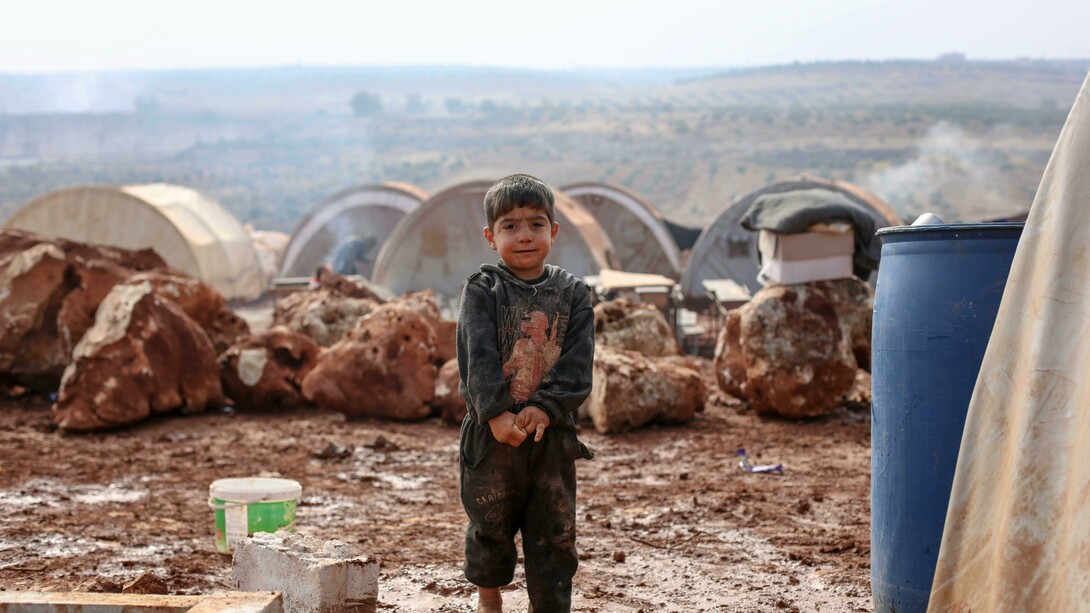
After reading an exceptionally long list of emails I received the other night, I fell into a pessimistic streak. I was thinking how the road to heaven is paved with good intentions. And this is what came out:
So we organize, expose, rationalize, denounce, analyze, network, liberalize, accuse, mobilize, study, decentralize, communicate, prioritize, implement, point a finger at, develop, monitor, evaluate (reanalyze), measure, research, publish, present, advocate, persuade, correspond, orient, contribute to a list server, meet, declare, assess, legislate, decree (reorganize), define, negotiate, devolve, fund, train, invest, capacitate (reorient), build, seek answers on the internet, strengthen, deliver services, educate, give credit to (redefine), provide literacy, procrastinate, lose our temper, despair, dismiss, reform, impose conditionalities… or throw money at…
And then do all the above some more…
But what does this really do to stop the relentless march towards pauperization, polarization, globalization, desperation, exploitation, conglomerization, monopolization, transnationalization, ‘IMFization’, ‘WBization’,‘WTOization’, depreciation, masculinization, centralization, global speculation, devaluation, degradation, privatization, depletion, erosion, deforestation, malnutrition, corruption, unfair competition, pollution, domination, oppression, repression, growing gaps, fundamentalism, authoritarian regimes, structural adjustment programs, mergers, ill-health, disempowerment, growing inequities, free market excesses and abuses, maldevelopment, social unrest, trade imbalances, displacements, refugees, tribalism, and nepotism?
So who are we really failing, serving, fooling, satisfying, helping, cheating, speaking for, representing, defending, misleading, pleasing, empowering, condoning, letting get away with, and supporting (by design and by default)?
Does anybody out there care to add to this list… or make it rhyme… or help me out of this terrible mood?
PS: Where has the big picture taken us? And what are we doing about it?
On development, the real world, and the ugly faces of greed
Variations on a theme by the Danish writer Peter Hoeg. Inspired and paraphrased from his short story “Reflections of a young man in balance,” in Tales of the Night, Panther Books, The Harvill Press, London, 1998, pp. 295-308.
Words no longer make much of an impression on many of us. You can take what follows any way you please: as a ‘cri du coeur,’ as a lament, or as an ode to hope. I look at it as one way to come closer to the truth about what I have to do. I will admit to one feeling, though—a faint feeling of anger (and depression); I foster it because it keeps me warm. Something tells me that we need to get to the bottom of it all, to the most intimate hopes and fears of what we do for a living.
The most profound truth about all development (and indigenous knowledge) is that it is a state of mind. And to that state, those changes we call ‘advances’ or ‘modernization’ hold little relevance. As outsiders, there is little we can say or do that is not or does not become a cliché.
As champions of partial truths, we build mirrors that end up invariably being a screen on which we project—i.e., development as we would (biasedly) like it to be. These mirrors are dreams. They are based on speculations (from speculum: mirror). Partial truths tend to be sinuous, only two-dimensional fragments of real life. Partial truths lead us to visions and reflections that remain mostly unaffected by what we do to address them. What we do represents an attempt to half-consciously realize our hopes and allay our fears.
But we know so little about the development causes we actually serve. Are we taking the right and crucial steps along the path that will alter the world for the better? People ask us to show results; we think we do, but are we not often entertaining them with descriptions of how difficult it is to reach them?
A mirror of development as it really is would have to show the misery, the suffering, the anguish, and the joys of the beholders. How often do we skip these images?
People often ask us why we take part in the daily ordeal and political chicanery of spreading development. Perhaps the most honest response is: We have to make a living. It has long dawned on me that I am a player in a ghastly power game; anything else is an illusion.
Since I realized this, it has become clear to me that this is a dilemma with which we will always be faced: the ‘account of reality’ is what makes me what I am and what alters me accordingly. The question is how far the beholder actively shapes what she sees. But, on the other hand, this question may be wrongly posed; it presupposes that there is a stable development reality to be observed. There is no such thing. As soon as we lay eyes on the world, it starts to change. And we with it.
The history of development is the history of a boundless faith in the power of (the Western) will. I perceive the infinite limitations of that will.
Getting closer to reality brings liberation. Viewing reality does not mean immediately making sense of a given setup, though. Getting closer to reality helps us discern between different types of colleagues among those who have spent their lives searching for solutions to underdevelopment. Are they right in what they are looking for?
Of course, all of us have had inspired instances in which we had a glimpse of reality. But quick forgetfulness (and fear, apathy, and bias) erases it all.
I know now the source of my anger and depression. But I am only human, and that is the problem, for humanity is frail; it forgets, it betrays (even its own principles), it devaluates, and it is hit by moral and intellectual inflation.
We are clearly leaving crucial things out of the development equation. I write this with an increasing sense of worry. What’s happening to our clichés? Our cynicism? Our mirrors?