English
 Español
 Français
 Deutsch
 Italiano
 Português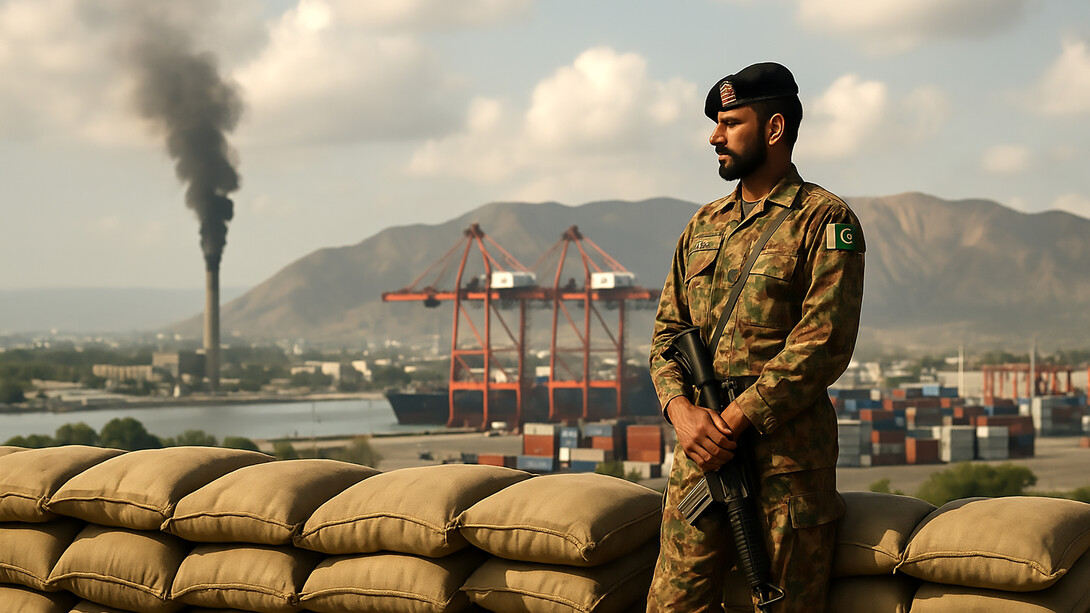
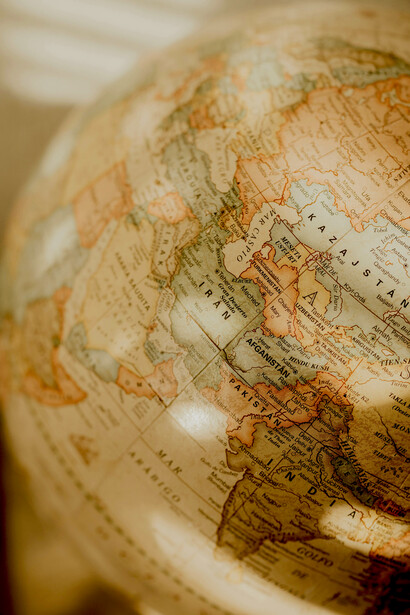
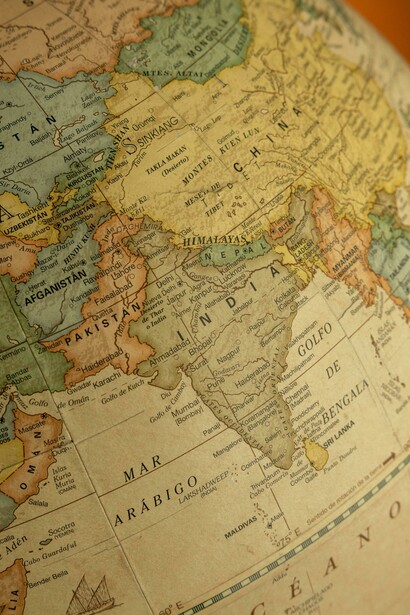
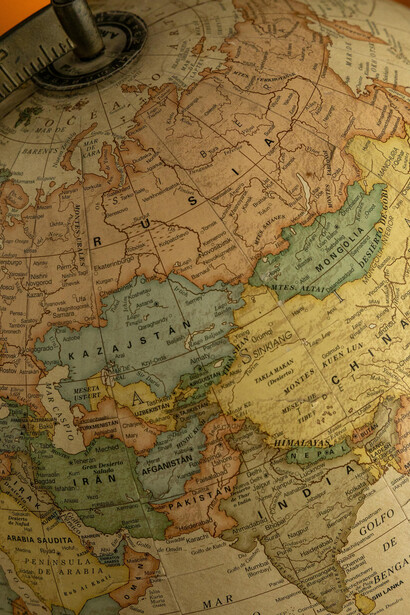
Pakistan’s position in an increasingly interconnected world has placed it at the center of numerous global issues that directly influence its economic, political, social, and environmental landscape. As a developing country with a strategic location linking South Asia, Central Asia, and the Middle East, Pakistan cannot remain insulated from international trends. Global challenges such as climate change, geopolitical tensions, economic instability, technological shifts, and global health crises have shaped Pakistan’s internal policies and foreign relations. Understanding how these global issues affect Pakistan is essential to crafting sustainable solutions that secure a stable and prosperous future for the country.
One of the most significant global issues affecting Pakistan today is climate change. Despite contributing less than one percent to global greenhouse gas emissions, Pakistan remains one of the most climate-vulnerable countries in the world. The devastating floods of 2022, which submerged large portions of the nation and affected millions of people, served as a stark reminder of the consequences of global warming. Changes in global temperatures have accelerated glacial melt in the northern regions, leading to increased risks of glacial lake outburst floods, while unpredictable monsoon patterns have created alternating cycles of floods and droughts.
Rising temperatures and heatwaves have impacted human health and agricultural productivity, threatening food security for millions. This vulnerability places Pakistan at the heart of international debates on climate justice, compelling the country to demand loss and damage compensation, climate-resilient technologies, and stronger global commitments to reducing carbon emissions. At the same time, Pakistan must strengthen its internal climate governance by investing in sustainable water management, reforestation programs, clean energy, and urban planning to adapt to the rapidly changing environment.
Global economic trends also significantly influence Pakistan’s economic stability. As a country heavily dependent on imported fuel, machinery, and food commodities, Pakistan is highly exposed to fluctuations in global markets. Rising oil prices often increase inflation domestically, deepen the trade deficit, and weaken the national currency. Global supply chain disruptions, such as those seen during the COVID-19 pandemic, have had long-lasting impacts on Pakistan’s manufacturing and export industries. International financial institutions, such as the IMF and World Bank, also play a key role in shaping Pakistan’s economic policies through loans, structural reforms, and fiscal guidelines. Global inflationary pressures and geopolitical uncertainties add additional strain on Pakistan’s economy, making it crucial for the country to strengthen domestic production, diversify exports, and pursue long-term economic reforms that enhance financial resilience.
Geopolitical tensions and shifting global alliances have further shaped Pakistan’s foreign relations and security concerns. As major powers like the United States, China, and Russia redefine their roles on the global stage, Pakistan must navigate a complex international environment. Historically, Pakistan has relied on strategic alliances to address security and economic challenges, but changing global power dynamics have created new pressures. Relations between China and Pakistan remain strong, particularly through the China-Pakistan Economic Corridor, which is a central part of China’s Belt and Road Initiative. However, Pakistan must manage this partnership responsibly to avoid growing debt burdens and ensure transparent implementation of development projects.
At the same time, Pakistan’s relations with the United States have experienced fluctuations driven by security concerns, counterterrorism policies, and shifting priorities in South Asia. The evolving situation in Afghanistan has also placed Pakistan at the center of global discussions on regional peace, security, and refugee management. These geopolitical developments require Pakistan to adopt a balanced and proactive foreign policy that protects national interests while engaging constructively with global powers.
Another global issue with profound effects on Pakistan is international terrorism and extremism. After the events of 9/11, Pakistan became a key player in the global war on terror, which brought both opportunities and challenges. While Pakistan faced significant security threats and internal instability due to militant groups, it also strengthened its counterterrorism institutions and enhanced coordination with international allies. Over the years, Pakistan’s armed forces and law enforcement agencies have conducted large-scale operations to dismantle terrorist networks and restore order in affected regions. However, global expectations and international scrutiny continue, particularly regarding border security, extremism, and regional stability. The global nature of terrorism means that Pakistan must continue to collaborate with international partners, improve intelligence sharing, and invest in community-based strategies that address the root causes of radicalization, such as poverty, lack of education, and social marginalization.
Global health crises, especially the COVID-19 pandemic, have also revealed vulnerabilities in Pakistan’s public health system. The pandemic disrupted daily life, strained hospitals, and exposed limitations in healthcare infrastructure, vaccine availability, and emergency preparedness. The crisis demonstrated how a global health issue can quickly become a national emergency, affecting economic activities, education, employment, and social interaction. Pakistan responded by enhancing health surveillance, expanding testing and vaccination programs, and adopting digital solutions for tracking and prevention. However, long-term investment in healthcare remains essential for preparing the country for future global health threats. Strengthening the capacity of hospitals, training medical staff, improving supply chains, and promoting public health awareness are crucial steps to safeguard the population in an increasingly interconnected world.
Technological transformation is another global phenomenon shaping Pakistan’s development. The world is rapidly moving toward digitalization, artificial intelligence, and automation, and Pakistan must adapt to remain competitive. While global technology trends offer immense opportunities for growth—such as digital payments, e-commerce, and remote work—they also create challenges related to cybersecurity, digital inequality, and workforce preparedness. Pakistan’s young population has the potential to benefit greatly from digital advancements, but only if the government and private sector invest in digital infrastructure, internet accessibility, and skill-building initiatives. Bridging the digital divide between urban and rural areas will be crucial for ensuring that the benefits of global technological progress reach all segments of society.
Migration and global labor trends also have a significant impact on Pakistan. Millions of Pakistanis work abroad, particularly in Gulf countries, contributing billions in remittances that support the national economy. However, global economic shifts, changes in immigration policies, and rising nationalism in host countries can affect employment opportunities for overseas workers. Pakistan must therefore strengthen its diplomatic engagement, provide training for migrant workers, and create a supportive environment for returnees to reintegrate into the local economy. As the global workforce evolves, Pakistan must also prepare its own labor market for the demands of the future by focusing on technical education, entrepreneurship, and innovation.
Another important global issue affecting Pakistan is international trade and globalization. The interconnected nature of global markets means that Pakistan must compete with more advanced economies in terms of quality, productivity, and innovation. Trade agreements, international standards, and global supply chains play a major role in determining Pakistan’s export potential. To benefit from globalization, Pakistan must improve industrial capacity, modernize agriculture, strengthen logistics, and enhance competitiveness. Diversifying exports beyond textiles and tapping into emerging sectors such as information technology, pharmaceuticals, and minerals can help Pakistan position itself more strategically in the global economy.
Environmental degradation, water scarcity, and global resource challenges also affect Pakistan’s sustainability. The increasing global demand for natural resources has placed immense pressure on water supplies, agricultural land, and ecosystems. Pakistan already faces water shortages due to population growth, outdated irrigation systems, and climate change. Global patterns of resource consumption and environmental damage add further complications. Pakistan must adopt modern agricultural practices, improve water governance, and invest in renewable energy to align with global sustainability goals. Cooperation with international organizations and neighboring countries will be essential for addressing cross-border environmental issues, such as river management and air pollution.
Lastly, global social trends—such as rising awareness about human rights, gender equality, and social justice—have also influenced Pakistan’s social development. International commitments to human rights conventions place pressure on Pakistan to enhance legal protections, improve education access, and promote gender equality. Such global movements can help catalyze positive reforms, but Pakistan must adapt them according to its cultural context. Strengthening institutions, empowering marginalized communities, and promoting inclusive development will be important for aligning the country with global social expectations.
In conclusion, Pakistan’s relationship with global issues is complex and multidimensional. Climate change threatens lives and livelihoods, economic instability challenges growth, geopolitical tensions shape foreign policy, and technological advancements determine future competitiveness. Global health crises, migration trends, environmental pressures, and social transformation further complicate the national landscape. Yet, these global challenges also offer opportunities for Pakistan to innovate, collaborate, and redefine its role on the world stage. By adopting forward-looking policies, investing in human development, strengthening institutions, and engaging constructively with the international community, Pakistan can convert global challenges into pathways for progress. The future of Pakistan is closely tied to global dynamics, and the country’s resilience will depend on how effectively it adapts to the changing world around it.