English
 Español
 Français
 Deutsch
 Italiano
 Português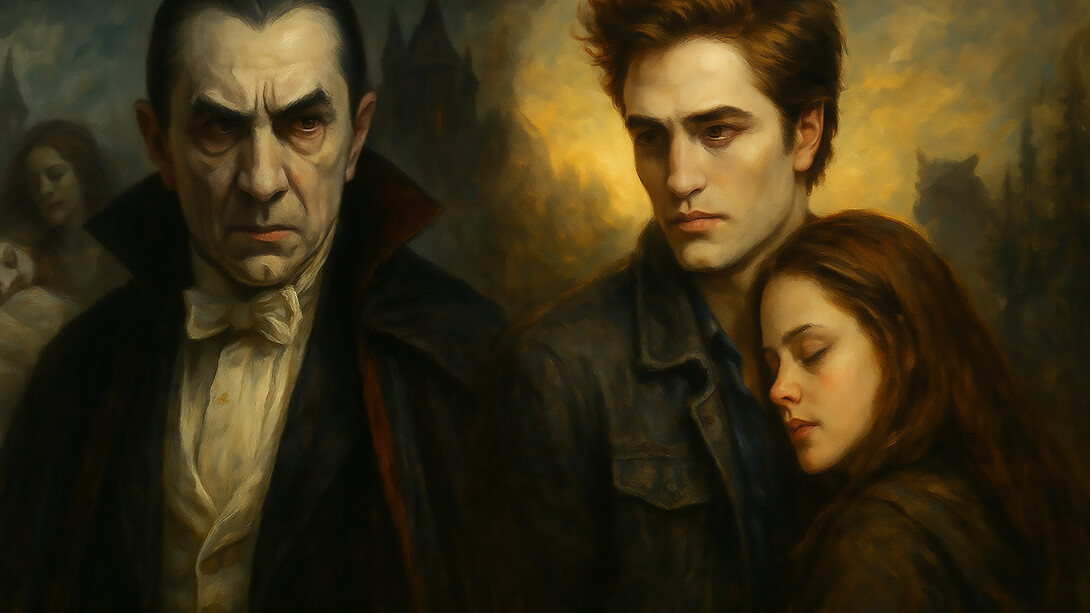
Structurally, Bram Stoker’s Dracula follows some of the conventions of previous Gothic novels using diaries, letters, and personal accounts. Despite the title, the reader sees very little of the eponymous character, but he is an ever-present driving force in the novel. The story begins with Jonathan Harker’s journal regarding his trip to Count Dracula’s home, where he is to finalise some property transactions. Before he even arrives, the reception he receives at the mention of the Count’s name causes fear and suspicion; people make the sign of the cross, and crosses are lining the side of the roads. Fear and superstition in the eighteenth century were often associated with simple, uneducated people; therefore, it is appropriate that both Jonathan and the reader begin as sceptics.
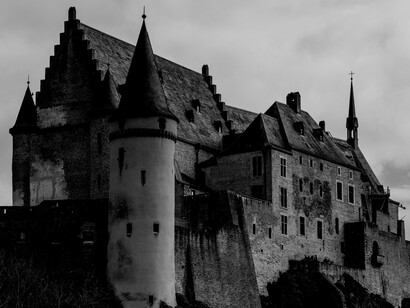
When the reader and Jonathan first encounter the Count, it is on the road when he is driving a caleche. He is described as having a “hard-looking mouth, with very red lips and sharp-looking teeth, as white as ivory.” There is a suggestion of inhuman strength as he loads the luggage and takes hold of Jonathan’s arm “in a grip of steel.” When the driver steps away from the carriage, it is surrounded by wolves, but when he comes back, he disperses them with a command. When Jonathan Harker gets to the castle, the Count invites him in “of your own free will!” The suggestion being, he can only imprison someone if they have voluntarily entered the castle. In the castle, there are no mirrors, introducing the idea that Dracula had no reflection. This is confirmed when Jonathan is shaving and does not see the Count approach, even though the mirror reflects the whole of the room. When the Count sees the lack of reflection, he grabs Jonathan by the throat, but, on touching the crucifix, withdraws his hand and merely throws the mirror out of the window. Again, reinforcing the idea that the cross causes pain or distress.
The action of the novel takes place in several different places. Dracula’s arrival in Whitby by ship is described by the local paper as a shipwreck where all are lost. The cargo comprises boxes of earth. Mina writes in her journal about her stay in Whitby and her friend Lucy, who sleepwalks and returns pale with puncture marks in her neck. Meanwhile, after escaping the Count’s castle, Jonathan travels to Budapest, where he resides at a convent, and Mina goes to join him, and they are married. Lucy moves to Hillingham and states she has stopped sleepwalking, but is filled with fear and bad dreams. Her fiancé, Arthur, contacts Dr Seward about Lucy’s health, but he does not know what is wrong and writes to Van Helsing in Amsterdam. His remedy takes the form of a blood transfusion and garlic. When this fails, we also see how to destroy a vampire with a stake through the heart and the removal of the head. In Lucy’s case, the suggestion is that her body and soul are then at peace.
Attention then turns to how to destroy the monster they call Dracula. He is described as strong and cunning, able to control the elements and animals such as a rat, owl, bat, fox, and wolf, along with vanishing into the mist. It is this dreamlike mist that he appears to Mina in, and when the men burst into her room, they find the Count with her. The men pursue the Count, and while Jonathan severs the head, Quincey Morris plunges a knife into his heart, causing the body to disintegrate. The novel ends with the birth of Jonathan and Mina Harker’s son and the sentiment that “some men so loved her that they dared much for her sake.” Ultimately, it is love that saves and redeems her.
We are not given any of the Count’s background, only that he is from a proud and noble line, or an explanation of how he became a vampire. He is deemed a monster because of his actions and the creature he creates in Lucy. Stephenie Meyer’s Twilight is written in the first person from Bella’s point of view. It seeks to give a more human face to the vampire myth, with a creation date and a background story. To turn her villain into a hero, she has abandoned the myths associated with Dracula: no reflection, nocturnal, sleeping in a coffin, garlic, and an aversion to the cross. Instead, Carlisle is a pastor’s son who loses everything at his conversion and keeps a wooden cross in his house.
This patriarch of the family sets the tone, reminding the reader that this is not a life they have chosen. This vampire family is not monsters but responsible citizens who seek to protect the human Bella from harm, just as Mina Harker was protected in the original story. In fact, harm can come in human form when Bella gets lost and a gang of young men seeks to attack her. The pain and angst of the human protectors in Dracula are replaced with the anxiety of the vampire Edward. The wolves, which appear to be Dracula’s allies in the original, now become an opposing clan and a source of conflict later in the series.
The monsters in Meyer’s book come from other vampire clans who do see humans as food and, like Dracula, enjoy the vengeful pursuit. Dracula’s female companions accuse him of never loving anyone, but in Twilight, when one vampire is killed for threatening Bella, his mate seeks revenge for his death, suggesting vampires have meaningful romantic relationships. This is also reflected in Carlisle and Esme’s relationship.
Meyer’s reinterpretation of the vampire myth disposes of the majority of the characteristics of the original in an attempt to rehabilitate vampires for the twenty-first century. However, she still keeps the idea that a great sacrifice will be made for those we love, whether that is to redeem or save a life.