English
 Español
 Français
 Deutsch
 Italiano
 Português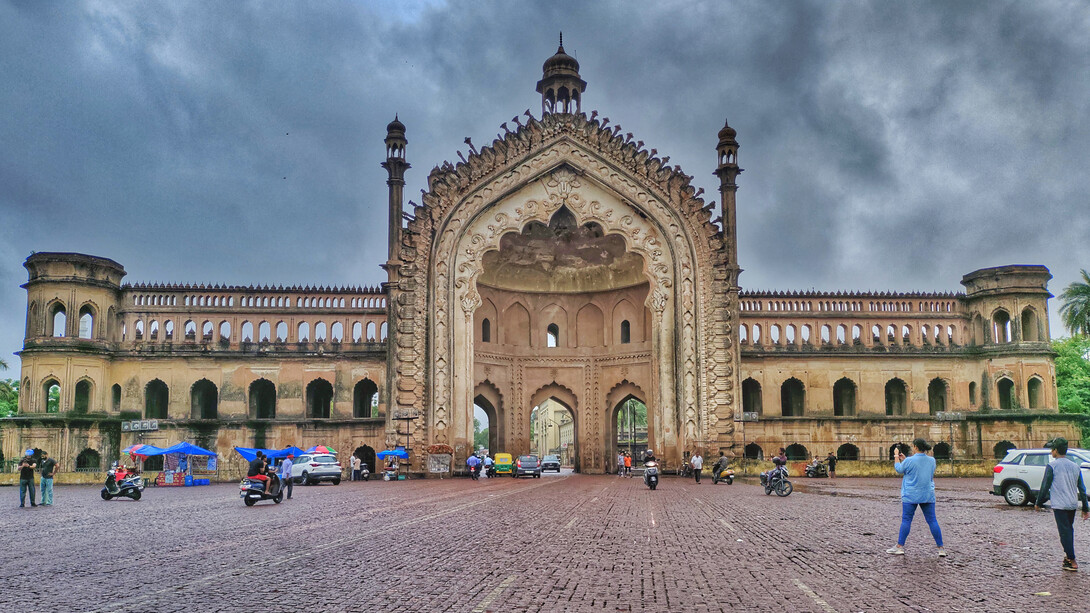
Some years ago, during my first trip to Lucknow, I received a rather unusual request from a friend—"Can you bring me Golouti Kebab from the old lanes of Lucknow?" I was intrigued. I’d heard of people asking for the city’s famous Chikankari textiles, but kebabs as souvenirs? That was new to me. Little did I know that this simple request would lead me to one of the most unforgettable food experiences of my life.
It was during a guided food walk through the bylanes of Lucknow that I first tasted the legendary mutton Golouti Kebab. One bite, and I understood the obsession. It was a true “forget-me-not” moment—the kind that lingers long after the trip is over. The tender, melt-in-the-mouth kebab, infused with a medley of aromatic spices, was pure magic. Every morsel seemed to dissolve effortlessly, leaving behind a burst of layered flavors.
Our food trail didn’t stop there. From Shami to Boti to Kakori Kebabs, each delicacy showcased the city’s finesse in blending spices, texture, and technique. By the end of the evening, we were too full to move but still tempted to try “just one more.”
Very soon, I realized Lucknow’s culinary fame goes far beyond kebabs. The aromatic Awadhi Biryani, the soul-soothing Nihari–Kulcha combination, and desserts like creamy Makhan Malai, Kulfi Faluda, Sheermal, and Malai Paan Gilauri all tell their own delicious stories.
So, when I recently read that Lucknow has been designated as a UNESCO City of Gastronomy for 2025, I wasn’t surprised in the least. If anything, my first reaction was, “What took them so long?” With its refined Awadhi cuisine and centuries-old techniques like dum (slow cooking), baghar (tempering), and galawat (tenderizing through marination), Lucknow has long deserved global recognition for its unmatched culinary artistry.
My top 10 must-try dishes in Lucknow
After that unforgettable first encounter with Lucknow’s food scene, I’ve returned with a clearer mission each time—to taste, compare, and appreciate the city’s most celebrated dishes, because in Lucknow, food isn’t just consumed; it’s celebrated. If you’re planning your own culinary trail through this newly crowned UNESCO City of Gastronomy, here are my top five recommendations you simply can’t miss.
Golouti Kebab
No dish defines Lucknow quite like the Golouti Kebab. Legend says it was created for a toothless Nawab who loved meat but could no longer chew it. Finely minced mutton, marinated with over a dozen spices and grilled on a flat pan, gives this kebab its famous melt-in-the-mouth texture. Whether you try it at the iconic Tunday Kababi or a hidden local eatery, one bite will explain its legendary status.
Nihari and Kulcha
A quintessential breakfast for many Lucknowites, Nihari—slow-cooked mutton stew—pairs perfectly with soft, layered Kulchas. The aroma of the simmering broth wafts through the narrow streets of old Lucknow in the early hours. Rich, hearty, and delicately spiced, this dish reflects the leisurely pace and indulgent culture of Awadhi mornings.
Korma
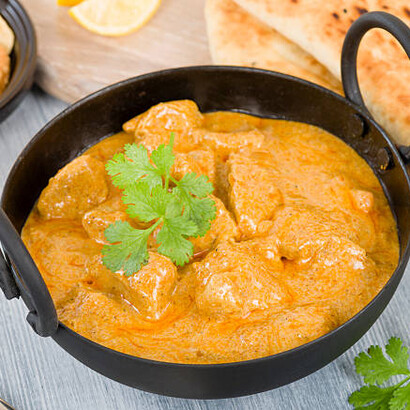
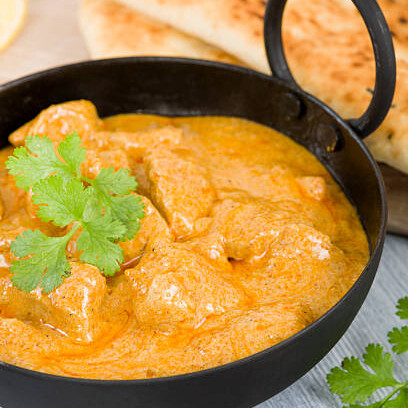
Often reserved for festive occasions, Awadhi Korma is a study in refinement. Succulent meat cooked in a silky gravy of yogurt, browned onions, and a carefully balanced mix of spices. It’s less fiery than its Mughlai cousins, yet deeply flavorful—a reminder that Lucknow’s cuisine values sophistication over intensity.
Kakori Kebab
Delicate, juicy, and fragrant—Kakori Kebab is a refinement of the traditional seekh kebab. Originating from the town of Kakori near Lucknow, it’s made from finely minced mutton mixed with raw papaya and an aromatic blend of spices. The texture is so soft that it practically melts on your tongue. It’s often said the Nawabs demanded a smoother, silkier kebab—and this was the royal chef’s elegant answer.
Tunday Kebab
Synonymous with Lucknow’s food identity, Tunday Kebab owes its name to the one-armed chef, Haji Murad Ali, who perfected it. Made with finely ground meat and a secret mix of over 100 spices, this kebab is all about precision—and patience. Served hot on a flat pan, it’s best enjoyed with paratha or sheermal. No trip to Lucknow is complete without tasting this local legend.
Galawati Kebab
Closely related to Golouti, Galawati Kebab literally means “the one that melts.” It was designed to please the aging Nawab Asaf-ud-Daula, who craved kebabs but had lost his teeth. The meat is marinated to tenderness and then pan-fried to perfection. Its velvety texture and complex aroma make it a must-try for anyone who loves Awadhi cuisine’s subtlety.
Mutton Rogan Josh
Though originally from Kashmir, Rogan Josh has found a special place in Lucknow’s kitchens. The Awadhi version is milder, cooked with yogurt, browned onions, and fragrant spices instead of fiery chilies. The result is a rich, aromatic curry that pairs beautifully with sheermal or saffron rice—hearty, comforting, and deeply satisfying.
Lucknowi Biryani
Distinct from the spicier Hyderabadi version, Lucknowi Biryani is all about subtlety. Cooked using the dum (slow-cooking) technique, the rice and meat are layered with saffron, rose water, and mild spices. The result is a fragrant, perfectly balanced dish that speaks of patience and precision—two traits that define Awadhi cooking.
Sheermal and Kulfi Falooda
To end on a sweet note, try Sheermal—a saffron-infused sweet flatbread that’s as good with kebabs as it is on its own. And if you still have room, indulge in Kulfi Falooda: dense, creamy kulfi topped with rose syrup and thin vermicelli. It’s the perfect finale to a meal that celebrates Lucknow’s love for texture, aroma, and timeless flavor.
Makhan Malai
Winter mornings in Lucknow come with a special treat—Makhan Malai. Light as air, this saffron-tinted dessert is made by churning milk froth and cream overnight under the open sky. Garnished with pistachios and silver leaf, it tastes like a sweet whisper of winter itself. You’ll often spot it being sold in brass bowls in Chowk and Hazratganj, drawing locals and visitors alike.
Each of these dishes tells a story—of royal kitchens, patient slow-cooking, and a city that treats food as an art form. But Lucknow’s culinary magic isn’t confined to fine dining or famous restaurants alone. Step into its bustling streets, and you’ll find flavors simmering in every corner—from early-morning Nihari stalls to late-night kebab joints, where recipes are passed down like heirlooms.
Notes
On World Cities Day 2025, the UNESCO Creative Cities Network welcomes 58 new member cities.