English
 Español
 Français
 Deutsch
 Italiano
 Português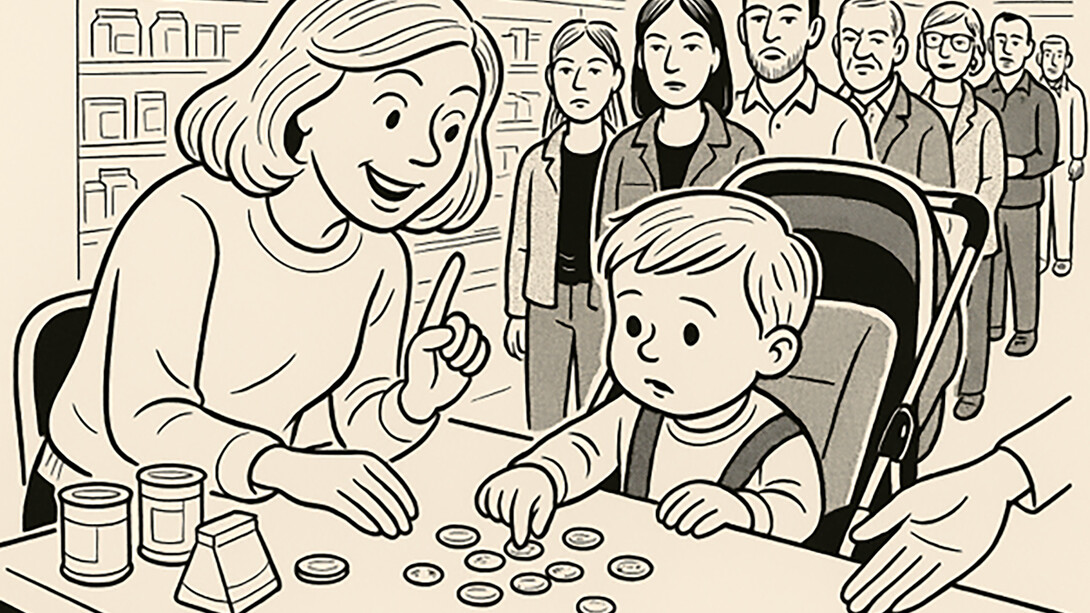
Crookes isn’t supposed to be fashionable. That, ironically, is exactly why it is.
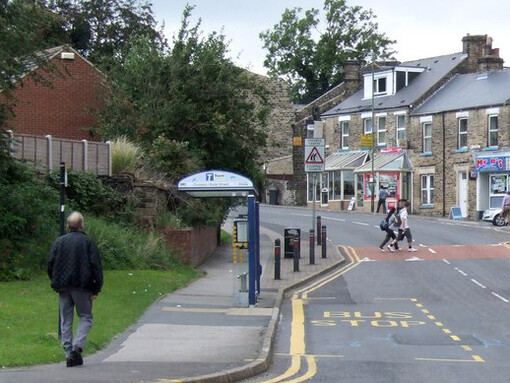
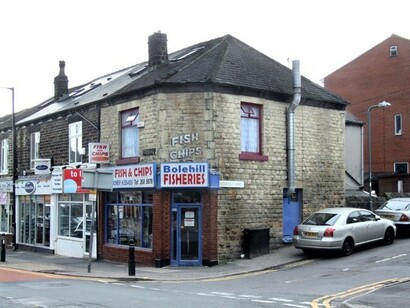
Unlike the already-curated suburbs of Sheffield—England’s fifth-largest city—Crookes still looks and feels like a working neighborhood. Its high street is a utilitarian mix: a Co-op supermarket, a fish-and-chip shop (a “chippy” in local parlance), a hardware store, a bakery, and the kind of independent cafés where the barista knows your child’s name. You’re just as likely to see a pensioner with a tartan shopping trolley as you are a young professional in yoga pants, holding an oat-milk flat white.
This is no accident. Crookes has become a magnet for a particular kind of middle-class millennial precisely because it’s not been fully gentrified. It’s what urban sociologists might call a selective authenticity zone—a place that feels “real” enough to confer credibility but safe enough to raise children.
And at the heart of this shifting social landscape is the Crookes mum—a figure whose warmth and attentiveness are matched by a quiet assurance in her right to define the norms of public life. She’s part of a gentler, more performative middle-class culture that is both deeply admirable and quietly exclusionary.
A generational shift in public parenting
The Crookes's mum is typically in her late twenties to late thirties, university-educated, and living in one of those compact terraced houses that once housed students but are now home to young families. Many are graduates of the NCT (National Childbirth Trust), a UK organization that offers antenatal classes and—more importantly—builds the social networks that define early parenthood in middle-class Britain.
She belongs to the millennial parenting cohort—the first generation to be saturated in child-development discourse from pregnancy onwards. Emotional literacy, attachment theory, and scaffolding have moved from the realm of professionals into the daily vocabulary of parenting. Where her Generation X predecessors often embraced a more hands-off, “they’ll figure it out” style, the Crookes mum is constantly, conspicuously involved.
For her, everyday life is an endless sequence of teachable moments: naming the fruit at the greengrocer, counting in twos on the walk to school, or—in her most emblematic pose—guiding her child through an exact change transaction at the supermarket checkout.
And here is where the cultural edge emerges: these interactions are not simply about the child’s development. They are also a performance of care, competence, and entitlement to space—a public reassurance that this is what “good parenting” looks like.
Crookes as a stage
You can find versions of this in Bristol, Brighton, Brooklyn, Melbourne, and Berlin. But Crookes gives it a distinctive twist.
Its charm lies in being “trendy because it isn’t trendy.” It hasn’t yet been transformed into a boutique playground for the affluent. You won’t find dog bakeries or lifestyle concept stores on every corner. Instead, the high street still sells screws, tins of paint, and Friday-night fish suppers—with just enough artisan bread to signal cosmopolitan taste.
That matters. In Stoke Newington, London, this sort of parenting is openly performative, part of the curated personal brand. In Crookes, it’s cloaked in the language of authenticity. But that authenticity is still a kind of soft power. In a mixed neighborhood of long-standing working-class residents, NHS staff, academics, and creatives, it subtly defines the terms of belonging.
She can aspire without appearing to aspire—which in Britain is perhaps the most middle-class move of all.
Intensive parenting, Sheffield-style
Sociologists call it intensive parenting: the belief that children develop best when parents invest huge amounts of time, energy, and cultural capital into their upbringing. It is labor-intensive, emotionally demanding, and—whether intentionally or not—socially coded.
In Crookes, this style is wrapped in local pragmatism. Yes, she might buy organic vegetables, but she’s picking them up at Aldi, the discount supermarket. She might quote research on attachment theory, but she’s also fine with her kids running wild in the park while she chats with a friend.
But behind the thrift and the relaxed moments is a self-assurance—the belief that this is the right way to raise a child and that others in the queue, in the park, and on the street will notice and silently approve.
Aspirational, but in a cardigan; ambitious for her children, with both feet on the pavement.
The queue as micro-drama
If one scene captures it, it’s this:
A Crookes mum stands at the checkout. Her child is in a pushchair, with small items neatly lined on the conveyor belt. She hands over a fistful of coins.
“That’s ten pence,” she says. “Now what comes next?”
The child hesitates, counts carefully, and places another coin in the cashier’s palm. The queue behind them grows—a student clutching a ready meal, an older man with a newspaper, and a nurse on her way to a night shift. Shoulders tighten. Eyebrows lift. No one speaks; this is Sheffield.
To her, this is more than shopping: it’s a math lesson, a confidence-builder, and a chance to practice patience. To those waiting, it’s a low-level endurance test. The act is both charming and faintly entitled—a small, unspoken assertion that her child’s developmental moment takes precedence over everyone else’s time.
Why she matters
The Crookes' mum is not a villain. She’s doing what many parents aspire to: raising a child with warmth, purpose, and engagement. But she also reveals something about Britain’s middle class: its ability to occupy space, set the tone, and make it look entirely natural.
Her presence in Crookes is a sign of the times—the gentrification that isn’t quite gentrification, the performance that insists it isn’t performance, and the politeness that still knows how to hold the floor.
She is aspirational without seeming to be. Inclusive in language, exclusive in effect. And whether you admire her or roll your eyes in the queue, she tells you something about where British middle-class culture is heading.
One coin, one conversation, and one queue at a time.