English
 Español
 Français
 Deutsch
 Italiano
 Português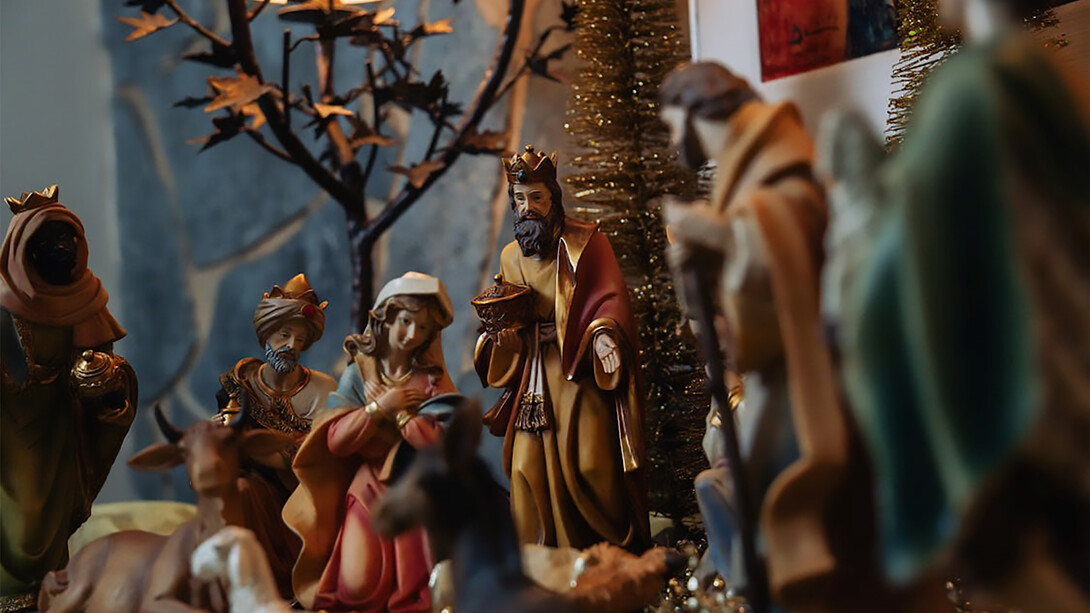
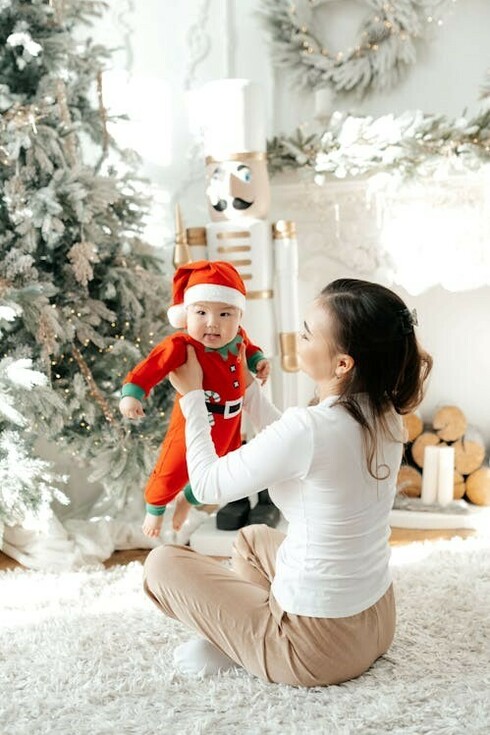
This topic offers an in-depth look at the unique experience of being in a multicultural relationship and the joys and challenges of raising our daughter. My partner hails from Poland, while I come from Hungary; together, we are nurturing a beautiful daughter who was born in England. She serves as a remarkable bridge between our three distinct cultures, embodying each other's rich heritage and traditions.
Our daily lives are largely similar, blending our routines and values, yet the richness of our multicultural backgrounds shines through during special celebrations. For example, Christmas becomes a heartwarming occasion where we merge our traditions—combining the Polish practice of sharing the opłatek, a wafer symbolising peace and goodwill, with the Hungarian custom of preparing festive dishes like bejgli, a sweet roll filled with poppy seeds or walnuts.
Through these celebrations, we not only honour our cultures but also create new family traditions that reflect our unique heritage. Our daughter is growing up surrounded by a tapestry of languages, customs, and stories, which will undoubtedly shape her identity and worldview in beautiful ways.
Let's explore how Christmas is celebrated in three different cultures.
Christmas in Hungary is a festive occasion marked by rich traditions that reflect both regional uniqueness and similarities to customs found in other Central European countries. The celebration begins relatively early in the season, with the Hungarian version of Saint Nicholas, known as Mikulás or Szent Miklós, visiting the homes of children on the night of December 5. This visit occurs on the eve of Saint Nicholas Feast Day, which is celebrated on December 6.
On the night before St. Nicholas Day, children excitedly place a boot or a shoe on their windowsills, eagerly anticipating Mikulás's arrival. In the morning, they hope to find their footwear filled with treats such as chocolates, nuts, and small toys. While Mikulás brings gifts, his presence is accompanied by a mischievous assistant named Krampusz. This fearsome character is said to punish naughty children, and those who have misbehaved throughout the year may find themselves receiving virgács—a bundle of birch twigs—rather than sweet surprises.
In contrast, in cultures such as the Czech Republic, Slovenia, and Slovakia, Mikulás is joined by a benevolent angel who rewards well-behaved children with gifts. Additionally, in the Netherlands and Belgium, he is often accompanied by Zwarte Piet, a character who aids in the gift-giving tradition.
For Hungarian expatriates and those of Hungarian descent living abroad, the festive season is often referred to as "Hungarian Christmas," emphasising the importance of cultural heritage.
The traditional Nicholas walk on December 6 is a significant event in which St. Nicholas appears dressed in elaborate bishop's attire, complete with a long red coat and a red cap. He carries a shepherd's crook in one hand and a large sack filled with presents slung over his shoulder. Interestingly, he arrives late at night, and children are encouraged to be fast asleep, as staying awake may mean missing his visit and receiving nothing but a birch stick instead.
As Christmas approaches, families engage in a variety of time-honoured practices. In the days leading up to December 24, they decorate their homes with festive ornaments, lights, and nativity scenes, creating an inviting atmosphere. Families also begin preparing traditional holiday foods, such as fish soup, roasted meats, and sweet pastries.
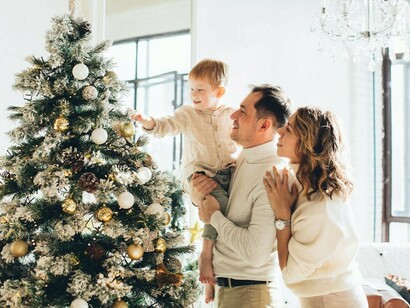
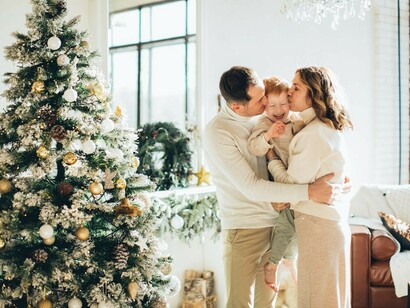
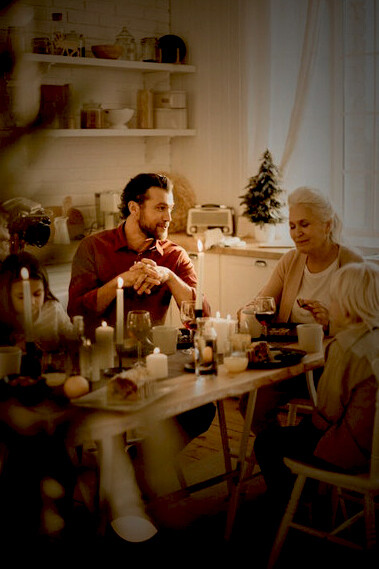
On Christmas Eve, known as “Szenteste,” families gather to celebrate the holiday together. They decorate the Christmas tree, adorning it with colourful ornaments, tinsel, and lights while carefully placing wrapped presents underneath. The atmosphere is filled with anticipation as children await the arrival of Jesus and the gift that accompanies the celebration.
After a festive meal, families often gather around the tree to sing carols and share in the joy of the season. Gift-giving takes place following the meal, emphasising the spirit of generosity and togetherness.
On Holy Night, many Hungarians listen to holiday hymns, such as the beloved “Silent Night,” and may attend a Christmas mass, where they can reflect on the spiritual significance of the holiday. In addition to these traditions, families also participate in the practice of lighting candles on the Advent wreath during the four weeks leading up to Christmas, symbolising hope and anticipation as they celebrate the coming of Christ.
Through these cherished customs, Christmas in Hungary serves as a time for family bonding, reflection, and a deep connection to cultural heritage, ensuring that these traditions continue to thrive through generations.
Christmas in Poland is a prominent annual celebration and holds profound significance, similar to its observance in many other Christian nations around the world. The evolution of Christmas traditions in Poland has unfolded gradually over several centuries, beginning in ancient times. This evolution intertwines old Polish pagan customs with religious practices that emerged following the Christianisation of Poland, which was prominently influenced by the Catholic Church. Over the years, various local traditions and folk cultures have mingled, creating a unique festive atmosphere. For Poles, Christmas stands as one of the most pivotal religious holidays, embraced with a somewhat strict adherence to age-old customs that enrich the celebration.
In Poland, the festive season unofficially kicks off with the Day of Saint Nicholas, celebrated on December 6. This day is marked by the anticipation of well-behaved children receiving small gifts from St. Nicholas, while those deemed naughty may find a lump of coal or a twig, referred to as “rózga,” as a humorous reminder to improve their behaviour.
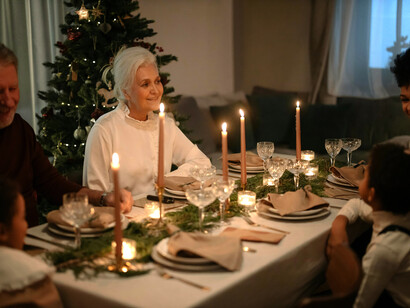
The most important day of the Christmas celebrations is Christmas Eve, known as Wigilia, which takes place on the evening of December 24. The festivities begin with the appearance of the first star in the sky, symbolising the Star of Bethlehem that led the Three Wise Men to the birthplace of Jesus. As part of the traditional setup, hay is spread beneath the white tablecloth, serving as a poignant reminder that Jesus Christ was born in a humble manger—a symbol of humility and simplicity.
Wigilia embraces the spirit of hospitality and generosity; thus, an empty place setting is left at the table for the Lord or for any lost wanderer who might be in need of food or shelter. This profound gesture signifies the openness of Polish homes to anyone in need during this sacred time.
The supper begins with the breaking of the Christmas wafer, known as “opłatek,” a unique custom primarily observed in Poland. Each family member shares a piece of the wafer while exchanging heartfelt wishes, fostering unity and love among family and friends. This simple yet profound act symbolises the bond that holds the family together, a bond that is strengthened with each shared piece of the wafer. The meals served at Wigilia adhere to a strict vegetarian tradition, with the exception of fish, as a continuation of fasting practices. Traditionally, twelve distinct dishes are prepared, symbolising the Twelve Apostles, and guests are encouraged to taste each dish as part of the gathering.
As the evening unfolds, the celebration culminates with the exchange of gifts, a joyful moment that parents and children alike eagerly anticipate. The excitement in the air is palpable as the beautifully wrapped presents are exchanged, each one a token of love and appreciation. Following the revelries, families often attend a midnight mass at their local churches, marking the beautifully sacred moment of Christ's birth.
On Christmas Eve in England, children excitedly hang their stockings at the end of their beds, eagerly anticipating Father Christmas's visit. This beloved tradition allows Father Christmas to fill the stockings with small gifts, often called stocking fillers. The excitement of discovering these surprises adds to the magic of Christmas morning when children rush to open their presents. Originally, children used their everyday socks for this purpose, but over the years, decorative stockings specifically designed for the occasion have become popular. These festive stockings come in various colours and patterns and sometimes even feature the child's name.
A Christmas cracker is a delightful festive item showcased on dining tables during the holiday season. These colourful cardboard tubes are wrapped in vibrant paper and twisted at both ends, resembling oversized candies. The enjoyment of crackers comes from the ritual of pulling them apart, usually done by two people holding each end, which creates a satisfying popping noise. Inside each cracker, there is typically a colourful paper hat or crown, a witty riddle or joke, and a small toy or trinket. In contemporary times, the contents have become increasingly diverse, with some crackers containing luxurious items such as a Cartier watch or a limited-edition pen, appealing to a broader audience with varied tastes.
Pantomimes are a beloved theatrical tradition that is especially popular among families in the United Kingdom during the Christmas and New Year holidays. These musical performances bring classic stories and fairy tales to life through vibrant sets, catchy songs, engaging dances, and plenty of humour. Audiences play an active role in the experience, often interacting with the actors by shouting out phrases, joining in the singing, and sometimes even helping to guide the plot. This interactive element makes pantomime a fun and lively outing for all ages. In addition to the many performances held across the UK, various English associations in France also engage in this tradition, bringing festive cheer to expatriate communities.
Boxing Day, celebrated on December 26th, the day after Christmas, has deep historical roots. Traditionally, families would visit extended relatives they had not seen on Christmas Day, strengthening familial bonds during the holiday season. This custom has its origins in a time when servants of wealthy households were permitted to take the day off to visit their own families after working tirelessly on Christmas Day. Employers would provide these servants with a box filled with gifts, money, and food to take home with them. In modern times, Boxing Day has evolved into one of the biggest retail events of the year, known for massive sales and enticing discounts, drawing shoppers eager to find post-Christmas bargains.
The festive season in the United Kingdom is associated with a variety of traditional dishes, each contributing to the holiday spirit. One of the most iconic is Christmas pudding, a rich and moist dessert made with a blend of dried fruits, eggs, molasses, and an array of spices. This pudding is often prepared weeks or even months in advance and is traditionally steamed or boiled, allowing the flavours to meld beautifully over time. Its high alcohol content, often from brandy, keeps it preserved and enhances its rich taste. Another festive favourite is mince pies, sweet pastries filled with a spiced mixture of dried fruits, such as raisins and currants. Although they originally contained minced meat, today’s versions are meat-free, making them a delightful treat for everyone during the holiday season.
One of the oldest and most cherished Christmas traditions in Britain is carol singing, which has its origins in the Middle Ages. Back then, impoverished individuals would walk through the streets, serenading passersby with holiday songs in hopes of receiving food and donations. This custom has now transformed into a festive activity where groups of people, often dressed in winter attire, gather to sing traditional carols in neighbourhoods or at public events. These groups frequently collect donations for charitable causes, spreading holiday cheer while also supporting those in need. Many churches also host carol-singing events, which attract large crowds and create a joyous atmosphere as communities come together to celebrate the spirit of Christmas through music.
The Christmas celebrations in Hungary and Poland share many similarities, making it easy to incorporate elements from both cultures into our festivities. For instance, traditional Hungarian foods like stuffed cabbage and poppy seed rolls, along with Polish specialities such as pierogi and carp, often feature prominently on our holiday table.
However, since our daughter was born in the UK and identifies as British, we also want her to experience the unique customs that come with British Christmas celebrations. This includes decorating the Christmas tree with tinsel and lights, hanging stockings by the fireplace, and enjoying classic British treats like mince pies and Christmas pudding.
By blending these rich traditions, we create a vibrant and diverse Christmas experience that is not only meaningful but also full of joy and fun for our family. Our celebration becomes an exciting fusion of customs and flavours from Hungary, Poland, and Britain, allowing our daughter to appreciate her multicultural heritage while making lasting memories.