English
 Español
 Français
 Deutsch
 Italiano
 Português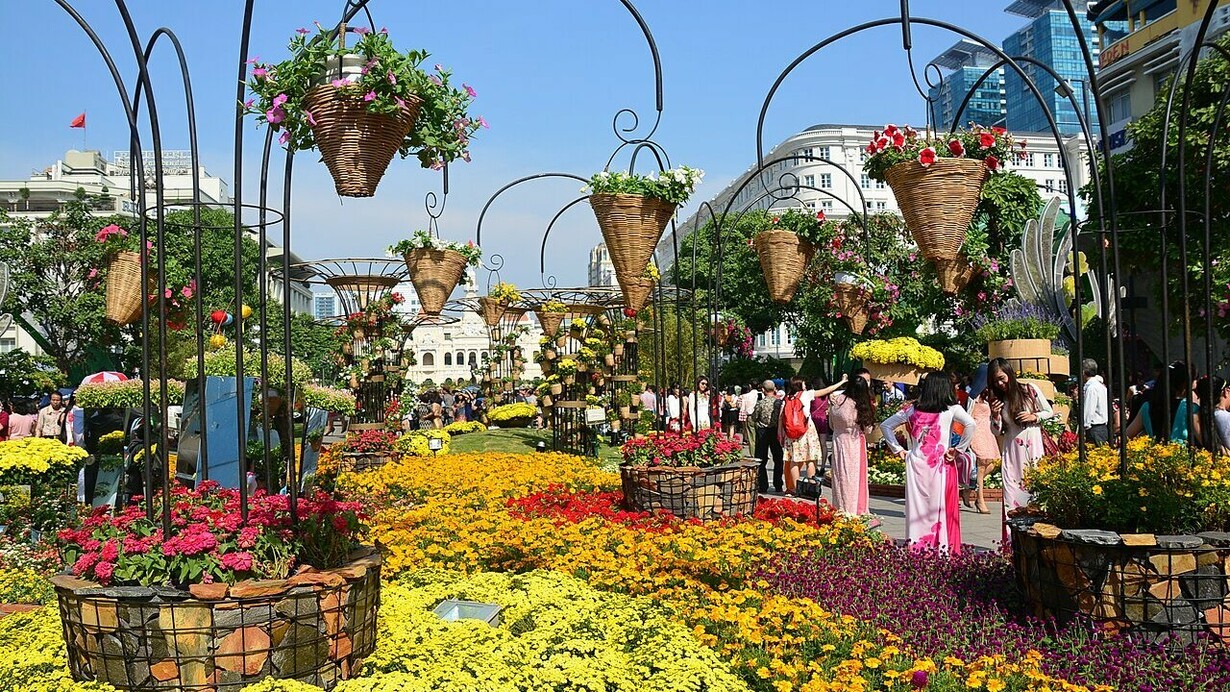
On January 1st, Vietnam doesn’t really stop. There’s no big countdown in the streets, and no dramatic feeling of ending or starting over.
Cafés open like any other day. Motorbikes follow their usual paths. Offices are back to work the next day with little fuss. If you didn’t check the calendar, you might not realize a new year has started.
And yet, a few weeks later, the country pauses. Shops close. Streets become quiet. Buses and trains are crowded with people going home. Homes are cleaned with care. Flowers appear everywhere. The air feels lighter, slower, and full of anticipation.
This is Tet Nguyen Dan, the Vietnamese New Year, and this is when the year truly begins.
Living in Vietnam taught me that a new year doesn’t just happen when the clock changes. It’s something you step into. Here, that moment comes with the moon, not the calendar.
This year, that rhythm brings Tet to February 17, 2026, welcoming the Year of the Horse, a zodiac sign often associated with movement, energy, and forward momentum.
Where the New Year really begins
The story of Tet doesn’t begin on the first day of the lunar year. It starts earlier, quietly, inside the home.
About a week before Tet, many families observe a tradition dedicated to Ong Cong Ong Táo, often referred to as the “Kitchen God”. According to folklore, he watches over the household throughout the year and returns to heaven before Tết to report on the family’s conduct.
It’s a gentle idea. The kitchen, where meals are made, conversations happen, and daily life unfolds, becomes the symbolic center of reflection. Offerings are made. Homes are cleaned. Old items are thrown away. The year is reviewed before it is released.
I’ve always found this ritual very grounding. Before celebrating anything new, there’s a moment to recognize what has already happened: the good, the difficult, and the unfinished. The year doesn’t end abruptly. It is closed with care.
Nature calendar
Unlike January 1st, which never changes, Tet follows the lunar calendar, shifting each year between late January and mid-February.
I first experienced it in Hanoi two years ago (February), and the celebration left a lasting impression. Last year, I found myself in Thailand (January), where Tết was being celebrated as well.
At first, this might seem inconvenient. There’s no set date to mark every year. But over time, it starts to feel more natural. The lunar calendar follows natural cycles, like darkness turning into light and rest leading to activity.
Tet starts with a new moon, a time linked to renewal and new possibilities. The year doesn’t start just because the date changes. It starts when the timing feels right.
This way of marking time feels less mechanical and more human. It gives people space to prepare, look forward, and pause.
The three periods of Tet
Many people think Tet is just one holiday, but it actually happens in three different stages, each with its own feeling.
Before Tet: clearing the old year
The days before Tết are busy but meaningful. Homes are cleaned, not just tidied but refreshed. The goal is to clear away any leftover energy from the past year so nothing heavy is brought into the new one.
Haircuts are done. New clothes are prepared. Debts are settled. Projects are wrapped up. There’s a collective sense that nothing unfinished should cross into the new year.
During Tet: entering the new year
The first days of Tet are the heart of the holiday. Families gather. Elders are visited. Ancestral altars are refreshed. Children receive lì xì, or lucky money, in red envelopes.
People know these first moments are important. They choose their words carefully and avoid arguments. Generosity comes first. The focus is not just on celebrating, but on being thoughtful.
After Tet: returning slowly
When Tet ends, life doesn’t go back to normal right away. There’s a gentle transition, a slow return to work and daily routines. It feels like the year needs time to settle before it really begins.
Symbols & icons for the season
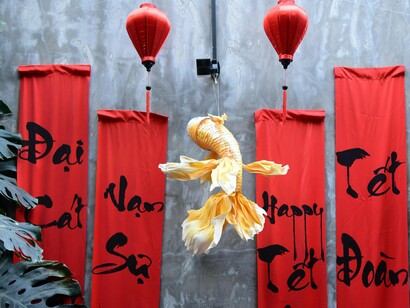
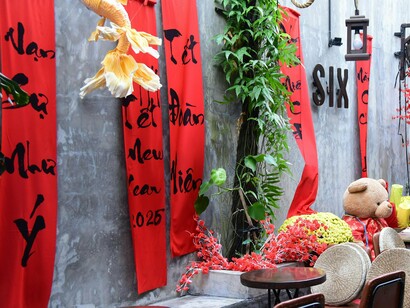
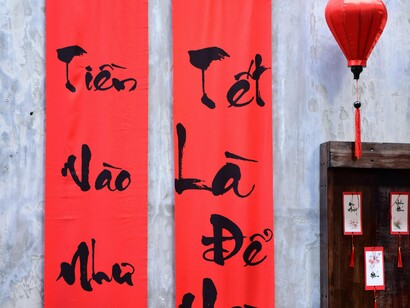
During Tet, Vietnam is filled with beautiful sights.
Lucky money, given in red envelopes, is all about a symbol of care, protection, and encouragement for the year ahead. Even a small gift means a lot when given thoughtfully.
Tet trees fill homes and storefronts. In the north, peach blossoms symbolize renewal and warmth. In the south, yellow apricot blossoms represent prosperity. Kumquat trees, heavy with fruit, are believed to bring abundance and resilience.
These decorations remind people that the new year should grow slowly, not be rushed.
Why food matters so much during Tet
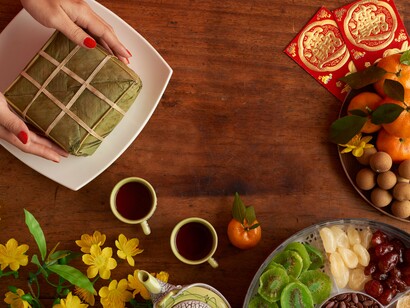
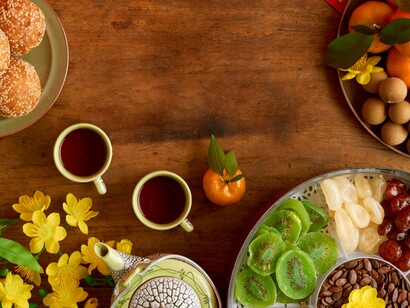
Food during Tet is never just food. Dishes like bánh chưng and bánh tét take a long time, sometimes days, to make.
Families cook together, often using recipes passed down through generations. The act of cooking becomes part of the celebration.
These foods taste familiar year after year, anchoring the present to memory. They remind people that even as time moves forward, some things remain.
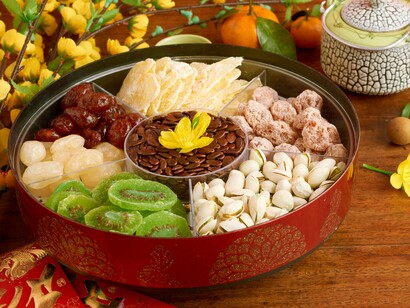
Meals during Tet are slow and thoughtful. People sit longer and talk more. Eating is not just about being full, but about connecting with others and with the past.
I remember being at a Tet celebration this year with the Yoga Pod team, sitting around food, talking, laughing, drinking, playing games, and exchanging small gifts.
At one point, it hit me that my brain didn’t quite know what calendar it was following; it felt a lot like the December celebrations I grew up with, just in a different place and rhythm. I was slightly confused, completely full, and genuinely amazed by how familiar it all felt.
We were all wishing each other “Happy New Year” in January, even though I had already done that once back in December.
Four things you may not know about Tet
January 1st is considered informal: Many people don’t view January 1st as a true beginning. It exists, but it doesn’t carry emotional weight.
The first visitor matters: Traditionally, the first person to enter a home during Tết is believed to bring the year’s energy with them. It’s less about superstition and more about symbolism — beginnings matter.
Tết is as quiet as it is joyful: While there are celebrations, much of Tết is calm. Silence, rest, and stillness are part of the experience.
The holiday is about alignment, not perfection: Tet is about starting the year with awareness and care.
Things you should do during Tet
Visit family and elders.
Dress thoughtfully.
Speak with kindness and intention.
Be generous with time, not just gifts.
Allow yourself to slow down.
Things you should not do during Tet
Start conflicts or raise your voice.
Rush people or schedules.
Dwell on problems from the past year.
Bring unfinished business into the new one.
Treat the holiday like an ordinary break.
Why January 1st feels secondary
After experiencing Tet, January 1st feels more like a formality.
January 1st marks time mathematically. Tet marks time emotionally.
One begins because the calendar insists. The other begins because people are ready.
A different way to begin again
What stands out to me about Tet is that it doesn’t ask you to reinvent yourself. There’s no rush to change overnight. Instead, it encourages you to reflect before moving forward.
It shows that starting again doesn’t have to be loud or rushed. Sometimes, a new year begins quietly, with clean floors, shared meals, familiar faces, and the feeling that you’re right where you need to be before moving ahead.
In Vietnam, the year doesn’t start on January 1st because the most meaningful beginnings don’t follow a set schedule. They come when we pause and make space for them.
If you ever find yourself in Vietnam around Tet, don’t worry if you lose track of the date. That’s kind of the point. Follow the food, accept the tea, sit a little longer than planned, and let the year begin when it’s ready. The calendar can wait.