English
 Español
 Français
 Deutsch
 Italiano
 Português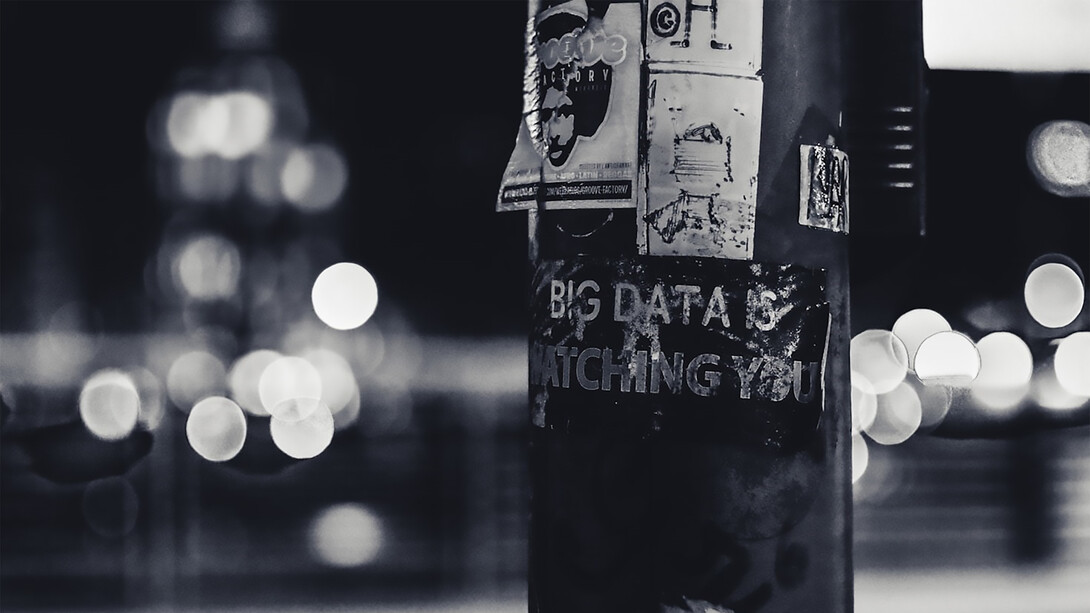
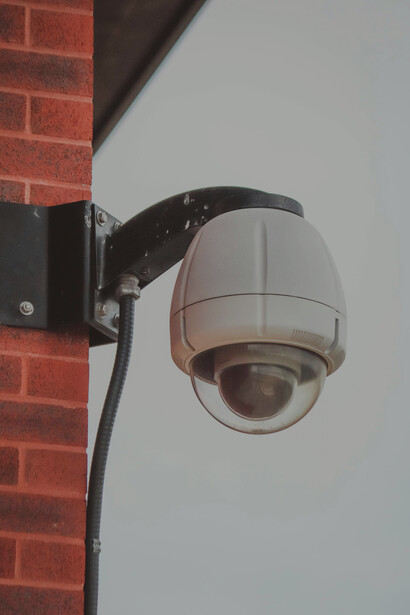
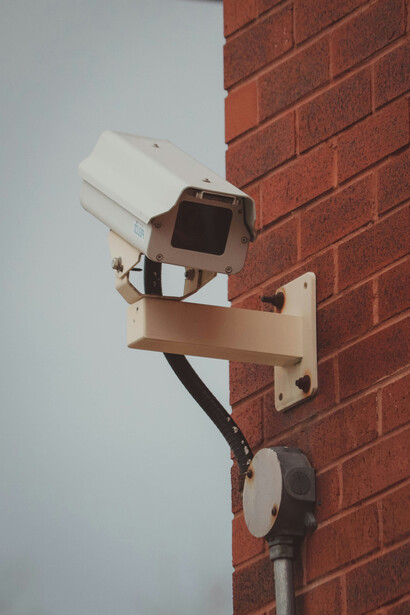
1984 was one of the first dystopian novels I ever read, which made me appreciate the genre. The phrase “Big Brother is always watching” keeps repeating in my mind when I think about how our society has changed. In today’s world, where surveillance, data collection, and algorithmic patterns have integrated themselves seamlessly into our day-to-day lives, it often feels as if we are trapped in a modern-day version of George Orwell’s novel.
The introduction of social media platforms such as Instagram and Facebook are prime examples of how we are living in a modern-day 1984. Users voluntarily share personal data and information, often unaware of the implications of releasing information into the digital wilderness. Moreover, the integration of artificial intelligence into these social platforms adds fuel to the fire. AI has quietly embedded itself, monitoring us as Big Brother would, analyzing every word, post, and picture.
Artificial intelligence and automation are not only impacting industries but are also altering our very society. As these technologies become more complex, there is no doubt that our economy, job market, and personal freedoms are being transformed as well.
For instance, one recent development that illustrates the drastic impact of AI is the rise of driverless cars. In cities like San Francisco and Phoenix, companies like Waymo and Cruise have launched large fleets of autonomous vehicles. These cars use an intricate system of sensors—such as lidar, radar, and cameras—combined with deep learning algorithms to navigate complex urban environments without human drivers. In theory, this seems like a promising technological leap, designed to improve convenience and safety.
However, the implications are much larger. According to a study by the McKinsey Global Institute, automation could replace between 400 million and 800 million jobs globally by 2030, depending on the pace of AI adoption (Manyika et al., 2017). The transportation industry, with its vast workforce of truck drivers, taxi operators, and delivery personnel, is among the most vulnerable. Driverless cars hold promise for reducing accidents caused by human error, which accounts for 94% of crashes, according to the National Highway Traffic Safety Administration (NHTSA, 2015). However, this technological advancement could also threaten millions of jobs worldwide.
The rise of autonomous vehicles prompts a more profound question: If drivers can be replaced, who’s next? As AI continues to improve, many jobs, even those requiring cognitive skills, may no longer be safe from automation. As automation gains traction, the traditional model of employment is being called into question. Every technological advancement that eliminates the need for human labor also raises the risk of widespread unemployment.
The advent of AI-driven services is already making inroads in industries once thought immune to automation. It’s no longer just blue-collar jobs at risk. According to a study by Frey and Osborne (2013), even white-collar professions like legal work, accounting, and journalism could face significant disruption from AI. The risk isn’t just that jobs will be lost—it’s that entire sectors of the economy could be upended, leaving millions without work.
Another disruptive technology illustrating the accelerating pace of automation is Tesla’s humanoid robots. In 2021, Tesla introduced the Tesla Bot—a humanoid robot. This 5-foot-8 robot, which uses the same AI systems found in Tesla’s autonomous vehicles, could revolutionize industries like manufacturing, logistics, and even domestic work.
Tesla’s humanoid robots could indeed herald a new age of innovation, but they also raise important questions about the future of work. What will happen to the millions of people whose livelihoods depend on jobs that robots could easily perform? Can society retrain and upskill workers fast enough to keep up with the relentless march of technological progress? The introduction of humanoid robots might force us to rethink the very nature of labor and how economies function in an era of advanced automation.
As AI becomes more entrenched in our lives, the ethical implications grow more urgent. While AI has the potential to improve efficiency, safety, and even healthcare, the risks it poses to privacy, autonomy, and employment cannot be ignored. The deployment of AI in daily life—from driverless cars to Tesla Bots—raises fundamental questions about how much control we’re willing to relinquish to machines.
One of the most pressing concerns is the speed at which AI is outpacing regulatory frameworks. Governments and industries are struggling to catch up with the rapid advancement of AI, leaving a dangerous gap between technological capability and the legal safeguards meant to protect individuals and society. If we are not careful, we risk entering a world where AI is used not just to replace human labor but to surveil and control human behavior.
Moreover, while AI could potentially eliminate tedious tasks, it also risks dehumanizing the workforce. The cold, algorithmic logic that drives AI lacks the empathy, creativity, and emotional intelligence that make humans unique. As these machines become more capable, they could fundamentally alter the nature of human interaction and connection.
The future of AI and automation is both exciting and daunting. There’s no doubt that these technologies will reshape our world in profound ways, but the key question remains: How do we, as a society, adapt to these changes? Autonomous vehicles, humanoid robots, and AI-driven systems all promise greater efficiency and safety, but they also raise critical questions about job displacement, privacy, and the erosion of human autonomy.
The challenge is not to resist technological progress but to manage it responsibly. Governments, corporations, and educational institutions must collaborate to ensure that the benefits of AI are shared broadly while minimizing the risks. This means investing in retraining programs, developing robust ethical frameworks, and crafting policies that protect individuals from the unintended consequences of rapid automation.
As we stand on the brink of a new technological era, we must balance the immense potential of AI with the need to safeguard our society. If we can strike that balance, we may unlock unprecedented opportunities for innovation and growth. If not, we risk creating a world where Orwell’s 1984 feels less like fiction and more like an unavoidable reality.
References
Manyika, J., Lund, S., Chui, M., Bughin, J., Woetzel, L., Batra, P., Ko, R., &Sanghvi, S. (2024, July 16). Jobs lost, jobs gained: What the future of work will mean for jobs, skills, and wages. McKinsey Global Institute.