English
 Español
 Français
 Deutsch
 Italiano
 Português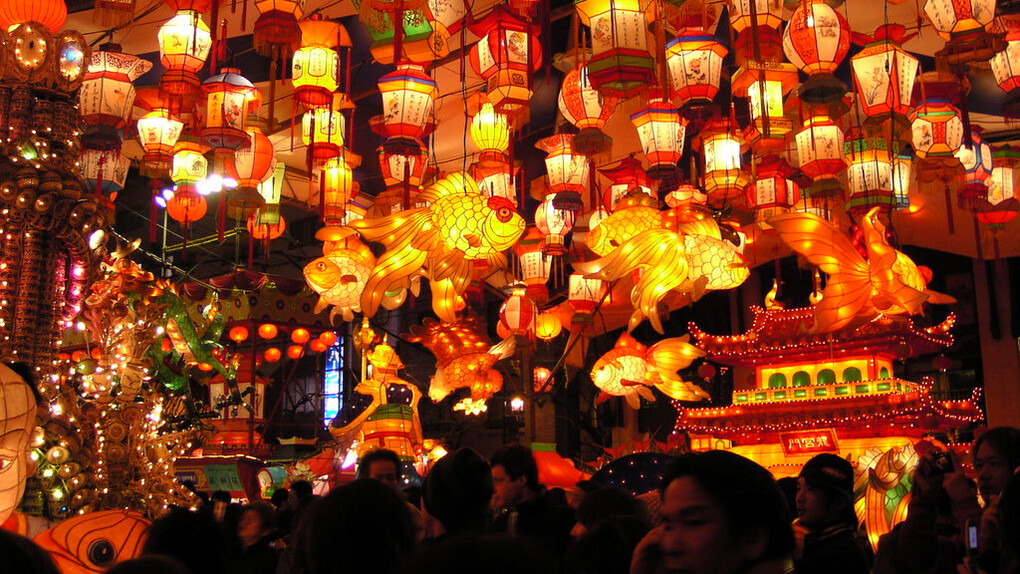
Nagasaki is a city brimming with international charm, and its festivals, in particular, offer a unique flavour compared to other regions of Japan. Among these, the Nagasaki Lantern Festival stands out as a large-scale celebration of the Chinese Lunar New Year (Spring Festival), during which the city is adorned with countless vibrant lanterns. This festival deeply reflects Chinese culture and traditions, making it incredibly popular among tourists, attracting visitors from all over Japan.
The Nagasaki Lantern Festival originated as a small-scale event held by the Chinese community in Nagasaki’s Chinatown to celebrate the Chinese New Year. Since the Edo period, Nagasaki has been a hub of international trade with deep connections to China, and this has fostered the integration of Chinese culture into the local fabric. Since 1994, the event has grown to cover the entire city, and today it attracts around one million visitors annually, making it one of Nagasaki's signature events.
During the festival, numerous street stalls line the streets, especially around Nagasaki’s Chinatown. The most popular dishes include kakuni manju (braised pork buns), chanpon, sara udon, and traditional Chinese dim sum. The food offered at these stalls blends the best of Japanese and Chinese culinary traditions, making the festival a true delight for those who enjoy sampling local street food.
The dual magic of day vs night
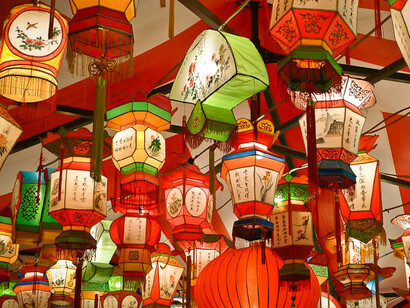
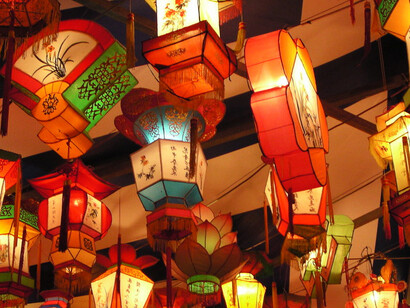
The Nagasaki Lantern Festival offers two completely different atmospheres during the day and at night, each with its own unique appeal. During the day, the intricate designs and detailed decorations of the lanterns are clearly visible. Vibrantly coloured lanterns are displayed across Chinatown and various parks, and you can appreciate the themes and stories behind each one. Many of the lanterns are inspired by Chinese mythology and history, with large dragon and animal lanterns particularly popular among both children and adults. There are also numerous daytime events, such as:
Dragon dance: a dynamic performance featuring a giant dragon. A symbol of Chinese culture, this performance is impressive even in the daylight.
Lion dance: a traditional Chinese dance believed to bring good luck and prosperity.
Peking opera and traditional Chinese music: symbolic performances of Chinese arts, often held during the day.
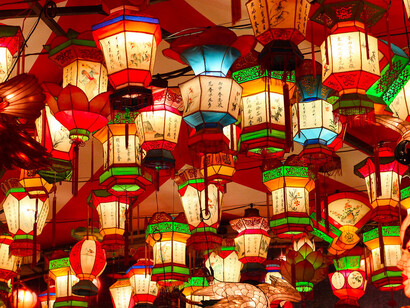
At night, the festival takes on an entirely different character. Around 15,000 lanterns light up the dark, creating an enchanting spectacle. The streets bathed in the soft glow of the lanterns create a romantic and magical atmosphere, a striking contrast to the daytime experience. The main attractions are centred around Chinatown and Minato Park, where the night-time illumination is particularly mesmerising. Highlights of the evening include:
The captivating sight of illuminated lanterns: while you can admire the artistic craftsmanship during the day, at night the lanterns become glowing works of art, transforming the city into a light-filled wonderland.
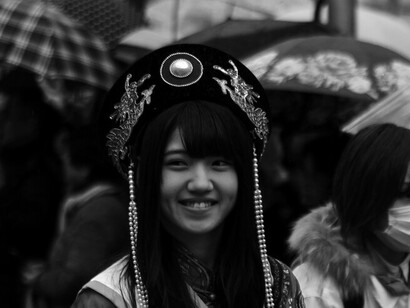
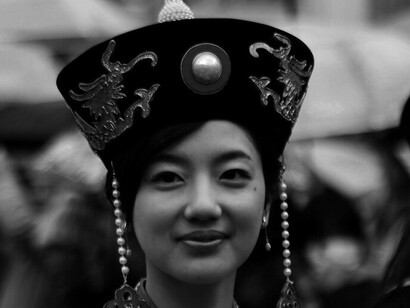
Parade: the night parade features floats adorned with glowing lanterns and performers in vibrant costumes, adding excitement to the festival’s climax.
Photography: the interplay of lantern light and the city’s architecture creates picturesque scenes, making it a haven for photographers. The historic buildings of Nagasaki illuminated by the lanterns provide stunning backdrops.
During the day, you can enjoy the intricate design and details of the lanterns, while at night, the lighting takes centre stage, creating a dreamlike and mystical experience. Daytime activities include energetic traditional performances that contribute to a lively atmosphere, while the night offers a calmer, more relaxed ambiance, ideal for leisurely strolls through the illuminated streets. However, nighttime tends to attract larger crowds, especially tourists, making daytime a better option for a more peaceful exploration of the festival.
Untold stories of the lantern designs
Each year, the lanterns are created with a new theme, and fresh designs are introduced. These intricate designs are, in fact, handcrafted by Chinese artisans. Most of the lanterns used at the Nagasaki Lantern Festival are produced by skilled craftsmen in China and imported for the event. The level of detail and complexity is astonishing, with some lanterns taking weeks to complete.
Each lantern tells a story. Many depict animals or mythical creatures based on Chinese legends and ancient myths. Knowing the stories behind the lanterns enhances the experience, offering deeper understanding and enjoyment. Some lanterns feature historical heroes or deities, and these are carefully passed down and cherished by the people of Nagasaki and festival organisers. The lanterns used in the Nagasaki Lantern Festival often feature designs inspired by Chinese mythology and legends. Below are examples of Chinese myths that are commonly used as themes for the lanterns:
Dragon King (Ryūō)
The Dragon King is a water deity from Chinese mythology, ruling over seas, rivers, and lakes. The dragon symbolises great power in Chinese culture, and the Dragon King is revered as a figure who can bring rain and ensure abundant harvests. At the Nagasaki Lantern Festival, enormous lanterns depicting dragons are displayed, accompanied by dragon dance performances.
Chang'e and the moon myth
Chang'e is known as the Chinese goddess of the moon. According to legend, she drank an elixir of immortality and ascended to the moon, where she continues to reside. This myth, also associated with the Mid-Autumn Festival, is reflected in moon-themed lanterns, often featuring designs of the full moon or rabbits. Lanterns with moon themes are displayed to appear as if they are floating in the night sky, creating an enchanting atmosphere.
Journey to the West (Saiyūki)
"Journey to the West" tells the story of the monk Xuanzang and his disciples (including Sun Wukong, Zhu Bajie, and Sha Wujing) on their pilgrimage to India. Sun Wukong, in particular, is beloved for his shape-shifting abilities and adventurous spirit. At the Lantern Festival, lanterns depicting Sun Wukong and other characters are popular, especially among families and children.
Matchmaking, hidden Gems, and Nagasaki's Chinese connection
It is believed that certain lanterns at the festival possess "matchmaking powers". Particularly, it is said that taking photos in front of dragon lanterns or those representing mythical creatures will bring good fortune in love. Couples and singles alike flock to these spots, hoping for a stroke of romantic luck. The festival coincides with the Chinese New Year, a time symbolic of good fortune and new beginnings.
In addition to the main venues of Chinatown and Minato Park, there are hidden lantern displays and photo opportunities scattered across the city. These spots, often known only to locals, offer a quieter and more serene way to enjoy the lanterns away from the crowds. If you're looking to avoid the hustle and bustle, it’s worth seeking out these hidden gems.
The lanterns don’t just magically appear overnight. The process of setting up around 15,000 lanterns across Nagasaki takes enormous time and effort. The work is done entirely by hand, with the help of local citizens and volunteers. Preparations begin weeks before the festival, with special attention given to the larger, custom-designed lanterns, which require extra care and time to install.
Given Nagasaki’s historical ties with China as a major port city, the festival’s operation is deeply intertwined with the local Chinese community and businesses in Chinatown. Many of the performances and events are organised through close collaboration with Chinese residents, ensuring the authenticity of the Chinese cultural experience at the festival.
Travel tips
Crowd control: the festival is extremely popular, especially on weekends. To avoid the worst of the crowds, consider visiting on a weekday or arriving early in the day.
Dress warmly: the festival is held in February, so be sure to dress for the cold. Gloves, a thick coat, and a scarf are recommended.
Public transport: Nagasaki’s main attractions are within walking distance, but during the festival, traffic congestion is common. Public transport, especially the city trams, offers easy access to the main festival venues.
Accommodation: hotels fill up quickly during the festival, so it’s advisable to book well in advance.
Plan ahead: check the official website or brochures for event schedules and venue maps to make the most of your visit.
The Nagasaki Lantern Festival is not just a showcase for tourists but a deeply rooted cultural event with connections to the local community and China, making it a truly unique and captivating experience. Both day and night offer their own distinct charms, so it’s best to experience the festival at both times if possible. Why not immerse yourself in this magical blend of light and culture?