English
 Español
 Français
 Deutsch
 Italiano
 Português
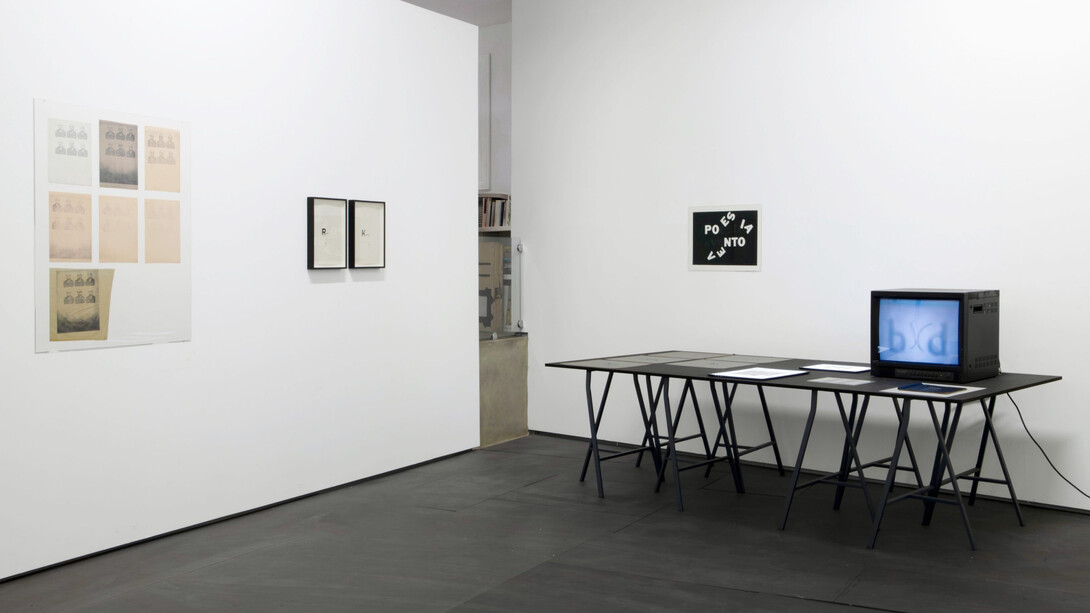
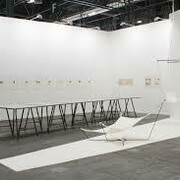
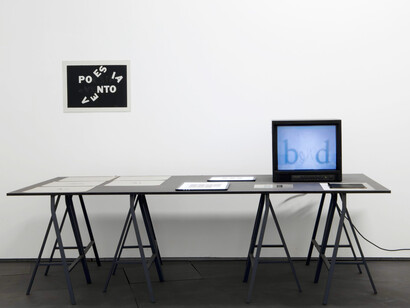
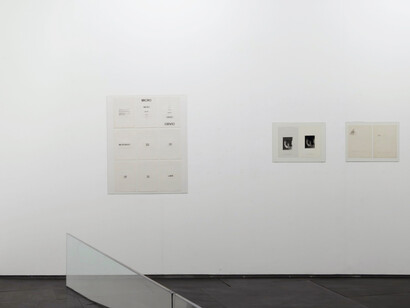
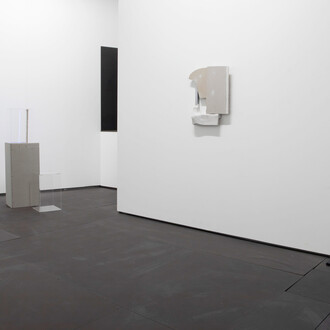
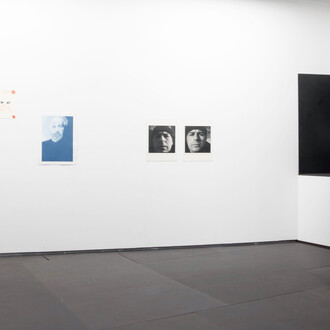
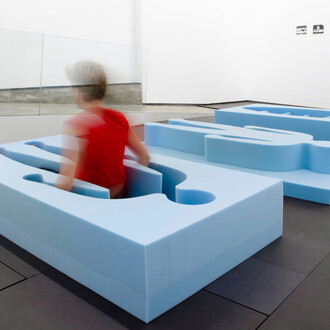
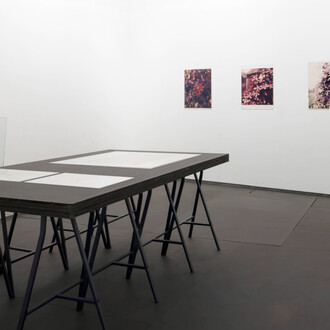
Poesia e vento is Gabriel Borba’s (São Paulo, 1942) third exhibition at the gallery. Gabriel Borba is one of the last surviving intellectual figures from the brilliant years of conceptual art during the ´70s and early ´80s in Brazil.
Until now, the gallery has been more focused on showing the political aspect of his work, though there is another side to his production that connects with visual poetry. He was close to other important figures in this field, such as Amelia Toledo, Claudio Tozi, Julio Plaza or Mario Ishikawa among many others, and from the beginning the artist received the support of important curators who played a significant role in the development of the arts, like Walter Zanini.
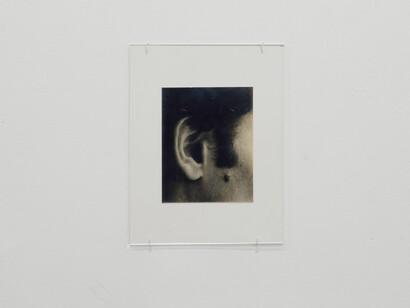
Gabriel Borba participated in La Biennale de Paris in 1977. He travelled across Europe and met other important artists and intellectuals in the region. In fact, Pierre Restany reviewed his work in a significant article, Art brésilien dans les sables mouvants in the prestigious magazine Domus, where he wrote about Deconstrução, a piece which is part of this new exhibition. This version of Deconstrução is the group of original vintage slides, which is considered one of the seminal works of 1970s conceptual art in Brazil and constitutes a reference in many of the art books which depict this artistically rich period.
Pierre Restany was part of the French group Les Nouveaux Réalistes; Gabriel Borba was aligned with them, as well as with other important European conceptual artists such as Marcel Broodthaers. In the exhibition Poesia e vento, two pieces connect Borba and the Belgian artist, particularly with regard to the concept of authorship, as well as the idea of the “in-between”, which becomes central to a body of work that continually questions the mechanisms of representation, circulation, and validation within cultural and artistic systems.