English
 Español
 Français
 Deutsch
 Italiano
 Português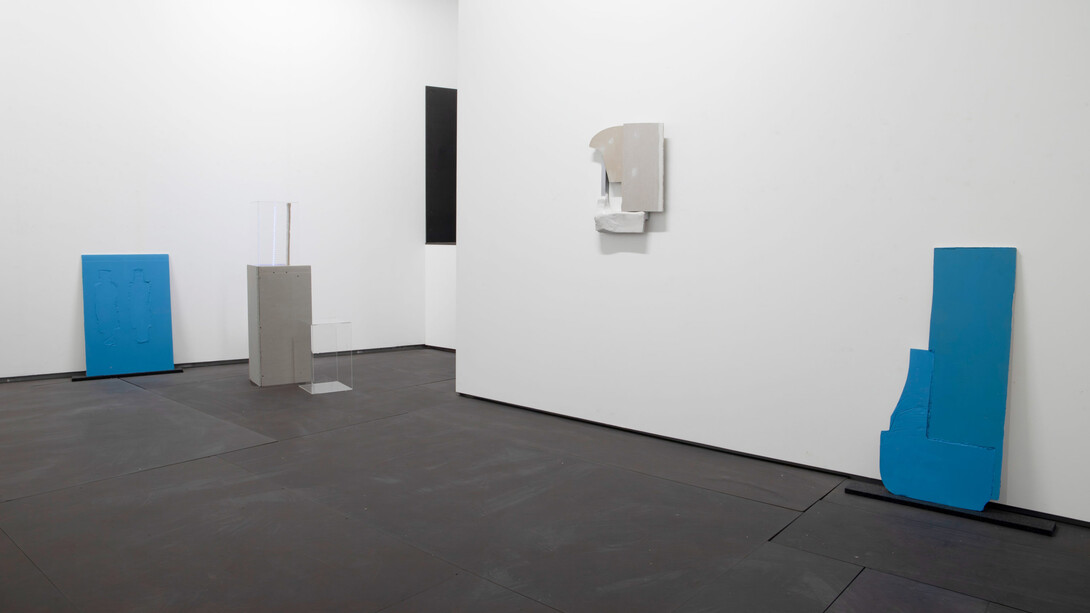
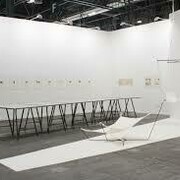
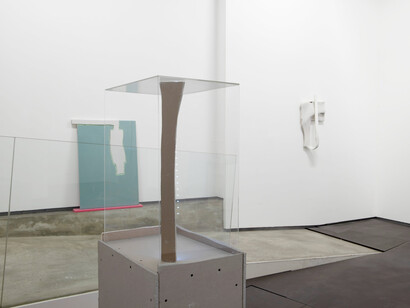
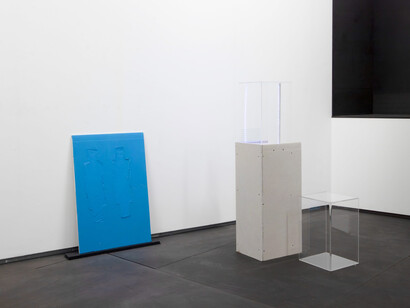
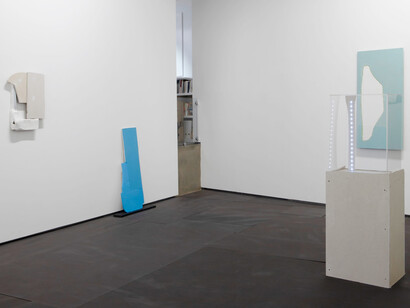
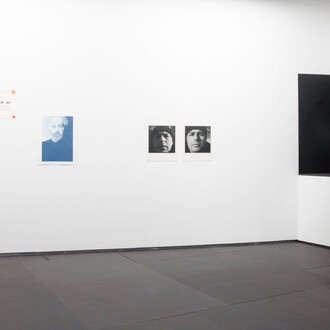
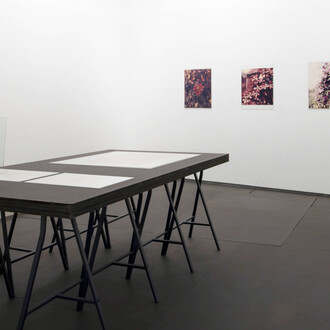
My method was this: since the day Francisco invited me to write an introduction for the exhibition and after the visit to Gediminas studio, I carried his art work with me for days, for a few months. Occasionally when the coincidence within the works and the place emerged, I would take them out mentally and place them in the ambiance near my thoughts. It took place at the park, at the concert and and during the reading time on the sofa at home. This is how it looked:
L’eau par Kenzo. I bought it again a few years ago. The smell most probably is the same but the bottle and myself are different. However it still works but in a ping pong kind of way. The fragrance finds me best when it radiates towards me from a distance of time or proximity. It must be sprayed and left alone. This scent has nothing to do with colours of the past. It is the opposite, it carries me to a fresh feeling I experienced at the age of sixteen. It echoes back to me the sensations of those joyous feelings during the springtime which were enhanced by wearing this perfume and to be more precise, it brings me to an old version of Pilies street in Vilnius, where there were cool shops such as Adidas and Salamander in 1999! They could only be cool in that blissful moment of ignorance so parallel to that moment of time and place. An old grocery store was there too. So old, it was almost new. The street wasn’t so popular among tourists back then and had almost none of the boring atmosphere as it does now. Gediminas sculptures remind me of the freshness of those days. The days with L’eau par Kenzo for a woman defined by an easy walk, flowers beginning to bloom, the end of the school term, and summer approaching. There is music in the air and honest and true disregard to some shit.
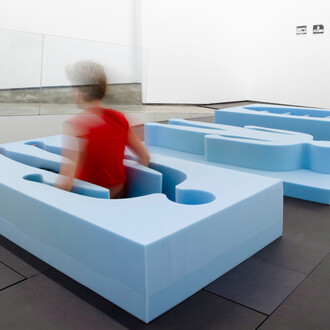
From then to now: I feel that the signs of – in this case – of Vilnius contemporary political campaign’s implementations within its urban picture – in other words – the conversion of conscious into unconscious within the politics and visual expression of it – are fluently included and interpreted in the practice of Gediminas. These things can be sensed in the sculptures and then of course there is much more than this. Because sculptures as well as his other works are not closed within formal problems, but they are blooming those aspects of society and its materiality as well. Therefore I have mentioned it.
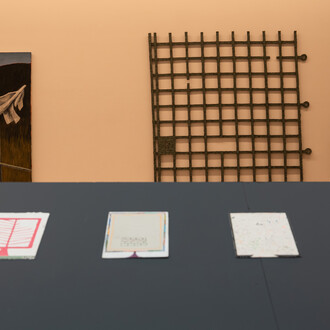
On the invitation card is sleeping the song of sadness and a crystal-clear moment of joy, which springs out in new apartments built by an emerging real estate developer. I get a punch from a mist of domesticity and observe the medical drawing of a short peek of sexual life within those bedrooms and then the anaesthetising feelings from the glimpses into the sleeping cat or just of new equipment which sends numbing and calming noises to the whole experience. Washing mushiness, vacuum cleaners, all kinds of electronic devices and helpers. Sleep. While someone is carving gypsum wall structure, is also sleeping, in a way. Many gypsums, many silences. Often inhabitants of Gediminas subject matter live through without taking notice of where they are. At the moment of the wake, they don’t live there anymore. From my point of view, I feel those lives closer to my heart, when I have those art forms to surround and talk to me softly. I start to see and have my feet on the ground between all what is new and old. Visible and not. Reminded that everything changes and even these political – urban – economical circumstances will change too.
And then everything dissolves, like a soluble tablet in the glass of water.
The sound of now is opening little chest and shoulder. Around there are many children. Ten of them on one green bench. And now even more as they keep running here. I use this hour to rest between the chatter of birds and children. The sun too has a sound and children move like clouds covering and opening sunshine. The soundscape opens everything, birds get even louder, the sounds are all in sync. They are nearer and further away. He is in a completely different part of town and even of the world. Trees and bushes have only begun to bloom here in this city, so the light is – how should I say? It is a bit green, a bit blue, a bit yellow and a bit orange.
Again, something very old. This time – music. By anonymous authors from around 1656. The music is beautiful. Aligned like the muscle by the spine. Also like the oldest soundtrack to the oldest anime. Melodies float by the freshest landscapes. Greens and blues of nature as seen and portrayed by a men, comes back to my picture like those painted clouds, floating by monotonously in the same speed in the uppers hemisphere. Like the parade of ships. This dreamy men’s organized world. There is a wish in us to ride further and further away. To write further and further.
(Text by Elena Narbutaitė)