English
 Español
 Français
 Deutsch
 Italiano
 Português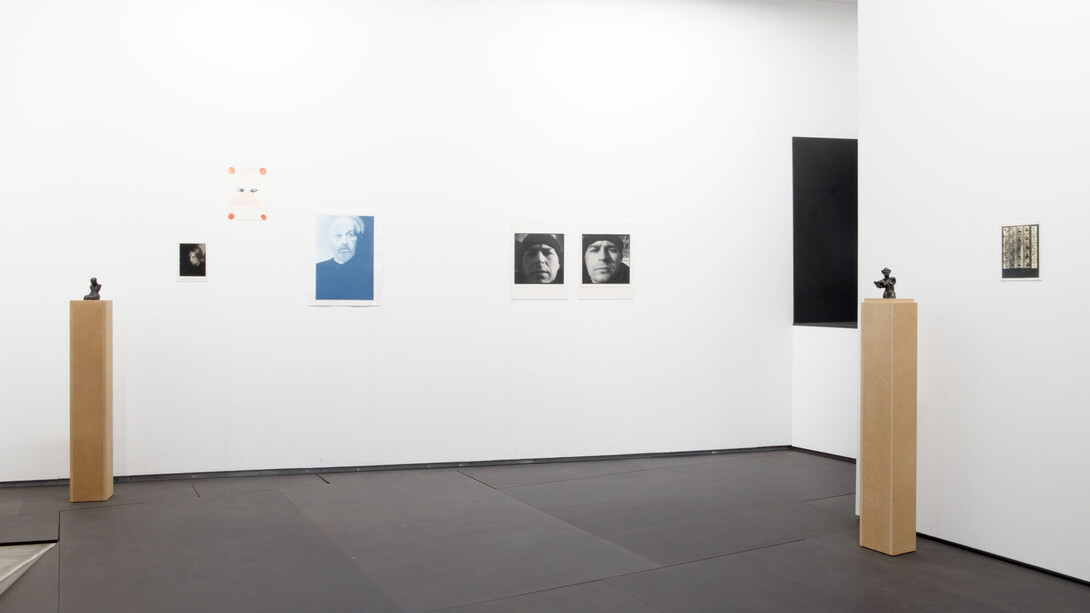
Fire, air and jasmine water: faces has been cooking slowly over the past year in my mind’s kitchen. The film by John Casavettes, Faces, 1968 was among the many ingredients who helped me to cook this dish. Unconsciously this movie played a role in the way this project has been shaped. The force and bitterness of its actors showing the many colors of desperation had me hypnotized in front of the screen during my school years.
Faces seemed to me like a roller coaster of emotions passing under the skin of its protagonists, perhaps as a result of their disorientated lives or the unlucky choices they’ve faced guided by a turmoil of strong feelings mixed with alcohol and desperation. Their eyes shined like the ones of wolfs and their mouths expelled poison with the intention of causing pain, it all seemed without control like a pure vomit of life without any filter. Watching this hurts even if we see those human prototypes distant from our own lives, even if we know this is a fiction, but deep inside we have the certainty that a part of this lays inside our own self, even if buried into our bones, waiting to be awaken.
Our features cannot conceal our deepest feelings and from a scientific point of view it allows others to read us like an open book. It is universally proven that this capacity to interpret the emotions in our faces has nothing to do with our cultural or social background, instead it is directly related to what it really is being a human.
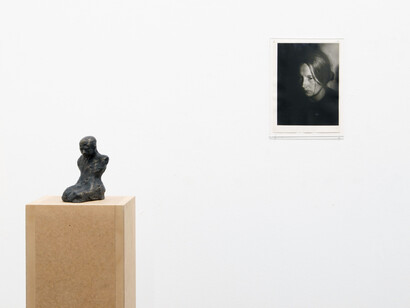
There is in this show a beautiful portrait of Marlene (Marlene in my apartment in NYC, 1969), a long friend and lover of American photographer Donna Cottschalk, this image might reflect the spirit of Fire, air and jasmine water: faces, the relaxed attitude of the woman in front of her friend gives us many clues about this moment but also about the person behind the camera as well, the body, its posture and her eyes are the essence of that intimate moment. A non told language emerges from within, enlightening us.
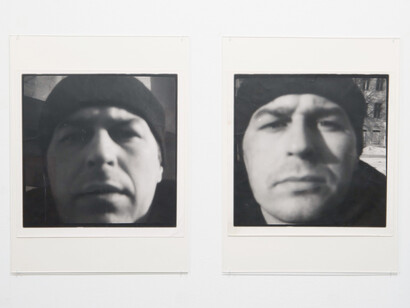
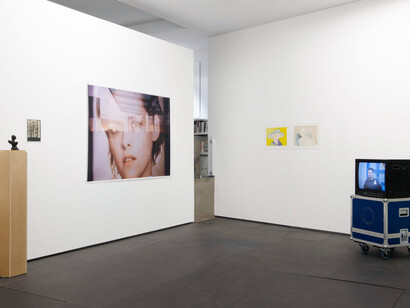
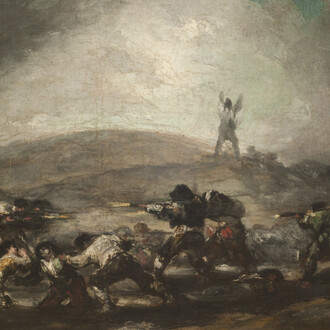
The American photographer and lesbian activist opened through her practice a window to make visible her own life with liberty and courage. Her body of work needs to be more explored today. She among the other artists present in this exhibition have been important in order to build a show which emerges from an insane curiosity about the Human condition. The self portrait of Algirdas Šeškus relate in its vulnerability to the long tradition of painting from Rembrandt to Goya but also to the fugitive life which scapes through our fingers, connecting with the sublime is the image of Gerda Paliušytė For Cecil, 2020 where the face, almost in trance, of the actress Kristen Stewart reflects the sunset of the city of Vilnius. Others like Rosalind Nashashibi extrapolate in an interesting visual game the idea of control and vigilance in her enigmatic film Eyeballing 2005. Through a trompe l´oeil of totemic “faces” Rosalind’s movie opens a different lead which diversifies and enrich the main core of the show, opening up new questions which engage with others which can be read from a more emotional or psychological perspective.