English
 Español
 Français
 Deutsch
 Italiano
 Português
For his first solo exhibition at Galleria Forni, Antonio Matallana presents a body of work created over the past two years.
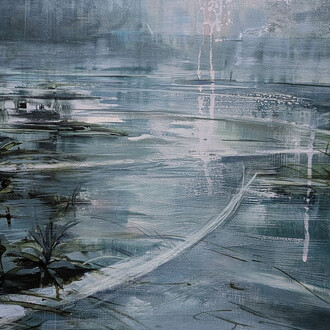
His exhibition will take place concurrently with Arianna Matta’s solo exhibition, Drift.
A highly refined painter, Spanish by birth and Parisian by adoption, he studied at the Academy of Fine Arts in Seville, where he graduated in 1975, and at the École Supérieure des Beaux-Arts in Rouen in 1977.
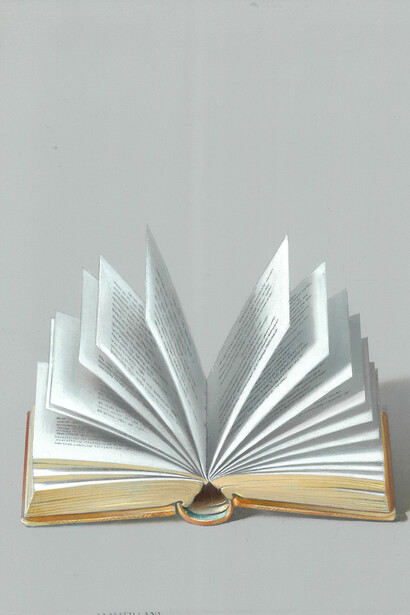
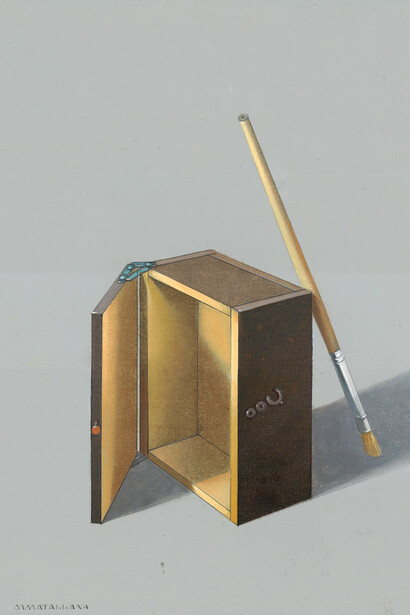
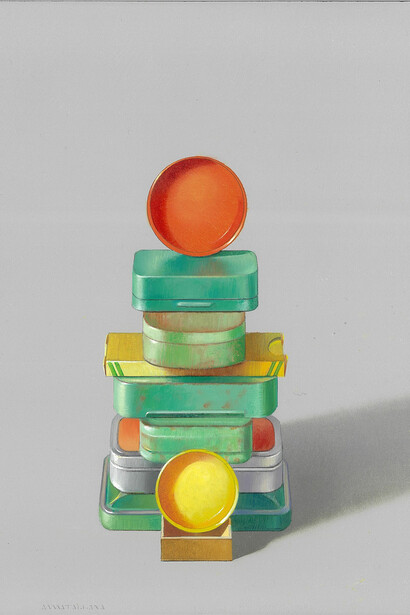
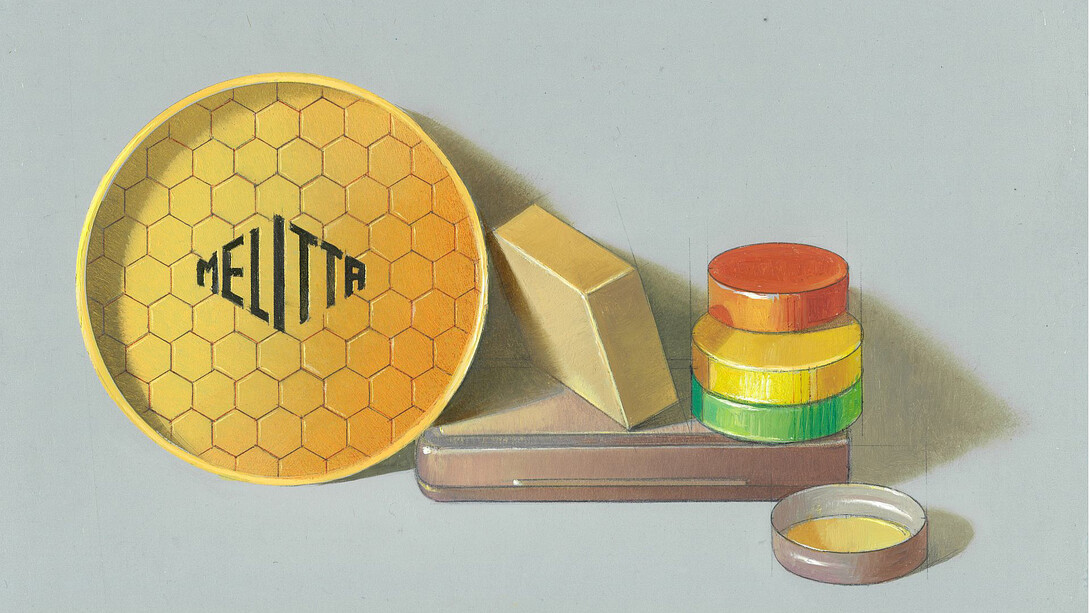
The search for balance and harmony is the guiding thread running through Matallana’s work, expressed through the contemplation of simple, everyday objects that are familiar and timeless. Each element interacts in perfect harmony with the whole, instilling a sense of stability.
The artist expresses his approach in the following significant words:
“My painting explores the apparent serenity and balance emanating from the everyday objects that surround me.
Through the language of painting, I do not seek a photographic or naturalistic description of this reality, but rather a dialogue with these objects, in order to capture their emotion, the passage of time and the silence that envelops them...
The revealing element is light.
It is necessary to return to the subject continually in order to record the imperceptible changes taking place within it.
When these changes are no longer perceptible, my work comes to a halt.”
The masterful use of colour and light conceals a distinctive painting technique: a combination of drawing, egg tempera and oil painting. The use of egg tempera makes it possible to apply several thin, translucent layers of pigment, thereby creating deep, luminous colour. Combined with oil paint, this technique lends Matallana’s work softness of form, richness and fluidity, resulting in paintings that are at once vibrant and magnificently delicate.
A kind of measured rhythm seems to emerge from his compositions, which are constructed according to impeccable aesthetic balances.
One distinctive feature is that the artist systematically uses the same format for his paintings—27 × 22 cm—as well as the same proportions for the objects depicted, thereby creating a constant foundation for a combined rhythm that encourages observation, or rather, the contemplation of reality, as suggested by the exhibition’s title.