English
 Español
 Français
 Deutsch
 Italiano
 Português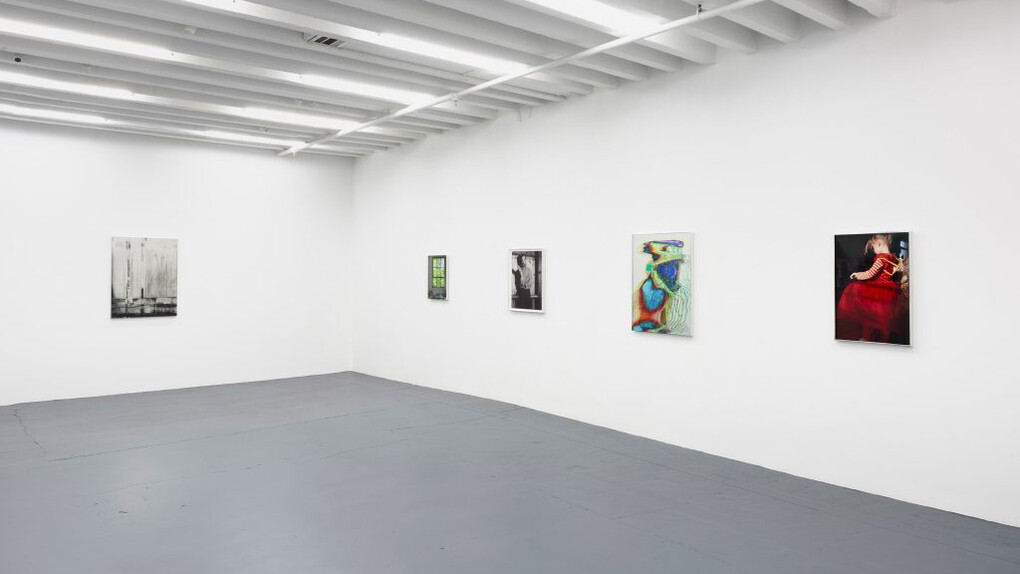
Miguel Abreu Gallery is pleased to announce the opening, on Thursday, September 10th, of Line call, the eighth one-person exhibition by Eileen Quinlan at the gallery.
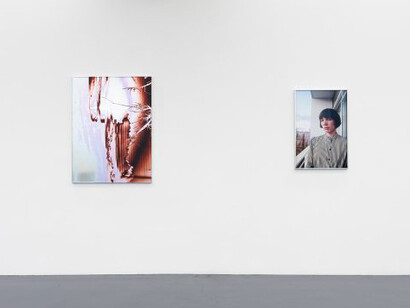
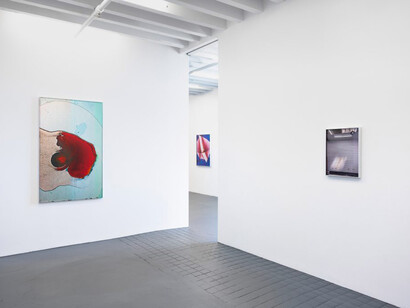
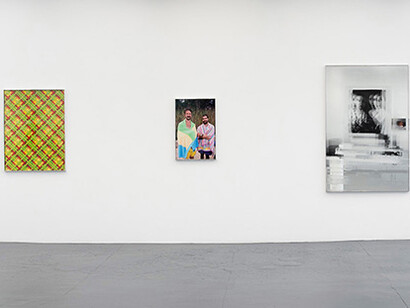
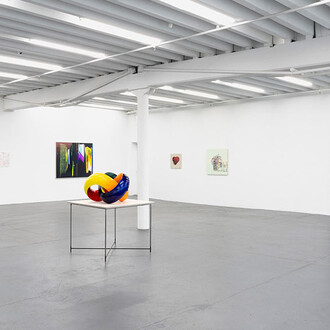
Line call is a show animated by the unruly drama of memory: the photographs included here span twenty years of Eileen Quinlan’s work. Old images are recalled to perform new tasks as they come into company with works being shown for the first time, including snapshot images of friends, family, and intimate spaces. The artist’s archive is open and displayed. A counterpoint to Quinlan’s heavily processed digital works, these ‘private’ images are shown, in a sense, untouched, printed and mounted without alteration. They speak to the burden placed on photography since its onset, its promise to capture and preserve, set within the context of an artist’s practice that has more often emphasized the photograph’s inherent instability and its penchant for change, decay, and evolution. The play of the matter, the show’s animacy or drama, is that one order of image supports the other, each performing subtle tenses of flux among the dual processes of how an image is conjured and what it conjures for perception.
The quality evoked by these works, structured both internally and in relation by the recurrence of lines, is mercurial: subject to sudden change, suggestive and sly rather than descriptive, eloquent without being overtly articulate. They are images that hold themselves open to interpretation; they sensitize us to the effects of how proximity, contact, and the impulse to association conditions every act of reception. The line in Line call is a roving indicator—in one instance it maps a field or image contour and in another appears only incidentally. The line creates containers, or alerts us to absence, or is a pointer leading outside itself, attracting elements beyond the frame. (Mercury was a god of boundaries and bridges alike.) In Quinlan’s most recent works, printed on mirror grounds with images that overrun their frames, these competing valences of line are rendered most active by way of defiance. If the line can be said to arrive at these newest works, it moves like a signal throughout her archive that gathers toward proliferation, a raying out not unlike the light it works on, seeking a generous unpredictability against any sense of fixture.