English
 Español
 Français
 Deutsch
 Italiano
 Português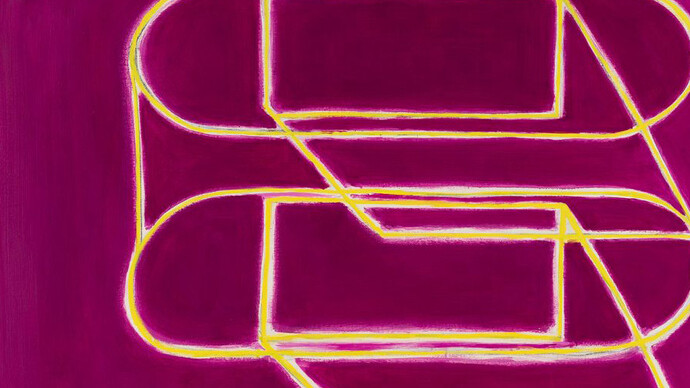
In Paul Pagk’s paintings, the aim has never been to produce the sensation of a concept of a natural object. We must stand in front of his paintings, see what there is to see, and accept the invitation to explore the visual sensation in the substance of the painting. Nothing could be less abstract.
(Mériam Korichi)
And color is what a painter lives by, so it is the most important thing.
(Kazimir Malevich)
Miguel Abreu Gallery is pleased to announce the opening, on Friday, January 16, of Paul Pagk’s Inscriptions in a shade of color, the artist’s third one-person exhibition at the gallery.
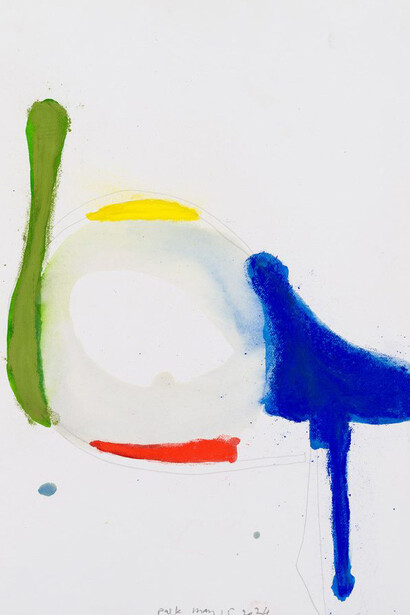
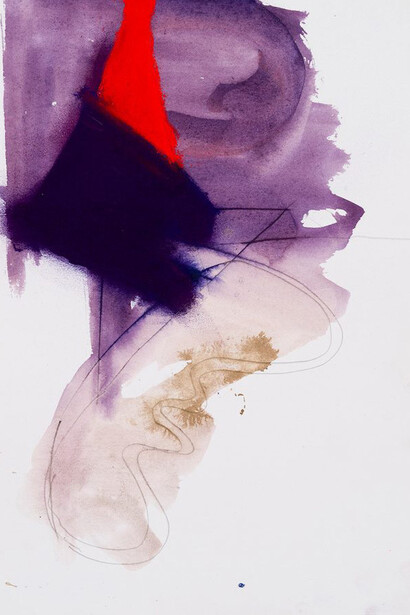
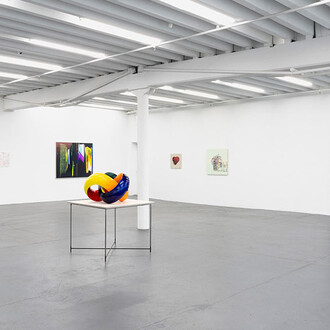
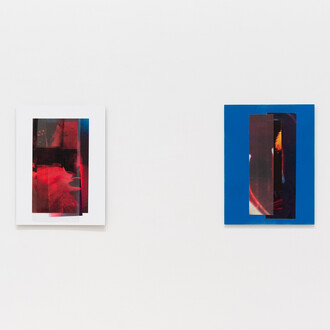
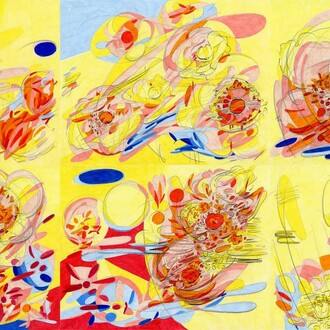
Comprised of a non-hierarchical mélange of 12 recent paintings and 30 works on paper, the exhibition explores the intimate and dynamic relationship between the artist’s slow and majestic painting practice and the speed and immediacy with which he produces his vast output of works on paper.
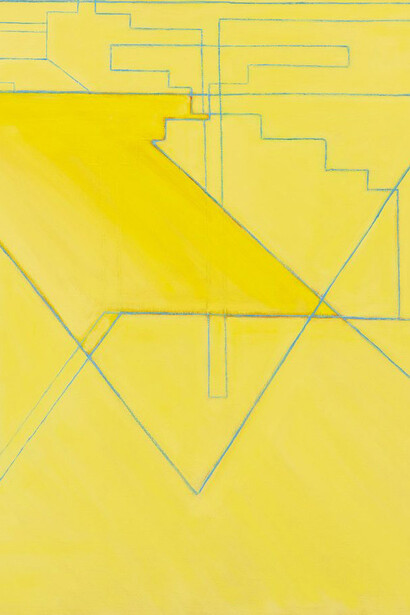
In Pagk’s large-scale paintings, within essentially monochrome and variously treated surfaces of color, appear incisions of quasi-geometric, freehand linear structures. These structures interrupt the expansive flow of color to establish the singular spatio-temporal coordinates of each picture. They invite the viewer into the work’s subjective mental architecture.
For this artist a painting exists as a painting object even before it is painted, whereas a sheet of paper is transparent and engages an infinite sense of space, a space in which colors directly produce compositions. Within this fundamental material difference lies the key to Pagk’s two-pronged pictorial activity. The painting object, on the one hand, imposes its concrete and immutable limits, which cannot be altered and need to be contended with as the origin of a decidedly contained mode of expression. The sheet of paper supporting the drawing, on the other hand, allows for unforeseeable, immediate transgressions and effects. The latter is an opposite order of seduction from the more nurtured, sober sensation of a painting’s singular color and graphic makeup. Perhaps one mode calls for the other in the complete artist sharing with the viewer the balance of his intellectual, technical, and emotional complexity.
(This exhibition is dedicated to the memory of Franz Dahlem [1938 – 2025])