English
 Español
 Français
 Deutsch
 Italiano
 Português
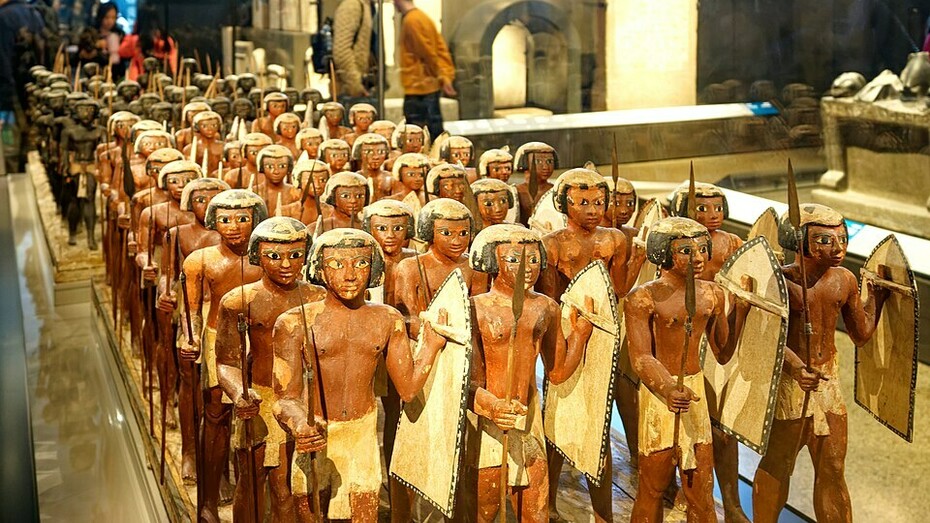
For generations, Cairo was a stopover. Now, the Grand Egyptian Museum (the GEM) is giving travelers a reason to stay.
The old itinerary was familiar: land in Cairo, see the pyramids, squeeze in the Egyptian Museum and the bazaar, then fly south to Luxor and Aswan, or southeast to the white sandy beaches and crystal clear waters of the Red Sea. Today, the GEM gives visitors a reason to stay.
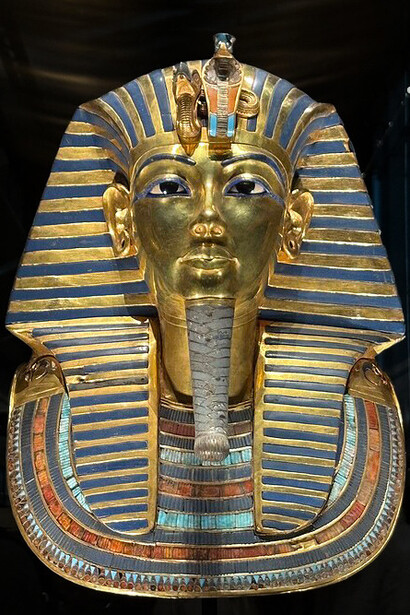
For decades, the GEM seemed destined to remain the most spectacular museum in the world that had never opened. It outlasted the Arab Spring, a pandemic, and economic crises and delay after delay. Then, on November 1, 2025, presidents, royals, and dignitaries from 79 delegations gathered at the foot of the Giza Plateau while drones painted Tutankhamun's golden mask across the night sky. Public admission began three days later, on November 4, the 103rd anniversary of the day Howard Carter's team found the first step to the boy king's tomb.
One year on, the question is no longer when the GEM will open. It's whether it was worth the wait.
The scale starts before you reach a single display case. The complex covers roughly 490,000 square meters, about two kilometers from the pyramids, and holds more than 100,000 artifacts, roughly half of them on display. Tutankhamun's complete collection, more than 5,000 objects, is shown together for the first time since his tomb was found in 1922.
About 18,000 people came through on the first day of public admission. Opening week hovered around 19,000 a day, with weekends reportedly hitting 20,000 to 24,000. According to Tourism Minister Sherif Fathy, the museum had welcomed about 4 million visitors by the end of August 2026 and should approach 5 million by the end of 2026.
Egypt as a whole is on track for about 20 million tourists this year, with roughly 12.8 million arriving in the first nine months. That popularity created a problem: how do you keep the world's hottest archaeological ticket from being crushed by its own crowds? The answer was timed-entry tickets, booked online.
The museum now caps attendance at roughly 15,000 a day, a number the minister says management can lower and tries not to exceed. The Tutankhamun hall remains the main pressure point, and Fathy's stated priority is a visit without excessive crowding, not raw attendance.
It hasn't all been smooth. Visitors have dealt with crowds, ticketing hiccups, and even a December rainstorm that sent water into the main hall, which officials said was anticipated in the design's open roof sections.
Yet, nothing captures the museum's story like the first thing you see inside the Grand Hall. The 83-ton colossus of Ramses II was installed in the atrium in 2018, seven years before opening, and waited in an empty hall for the building to be finished around him. Before that, he spent half a century in a Cairo traffic circle, and before that, more than a century broken into six pieces in the ruins of Memphis. Today, he greets visitors at the foot of a grand staircase.
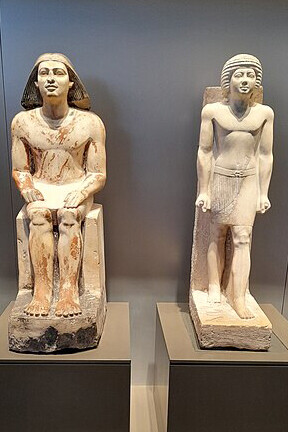
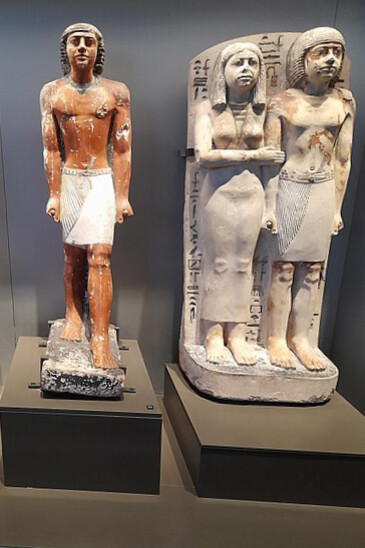
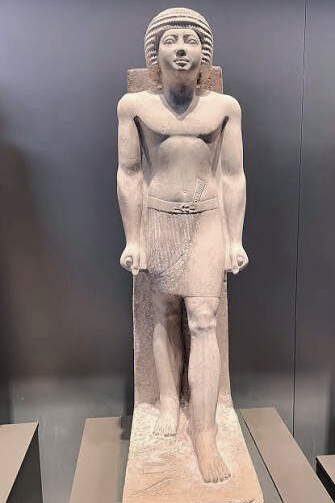
This staircase comprises six levels lined with 59 colossal sculptures of kings and gods, columns, and sarcophagi that end in a window framing the pyramids. At the top, twelve main halls covering Egyptian history from 700,000 BC to 394 AD wait, with Khufu’s 4,500-year-old solar boat in a space of its own.
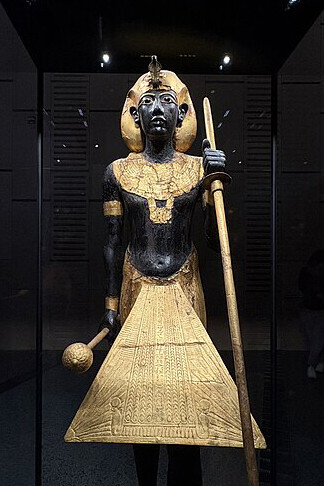
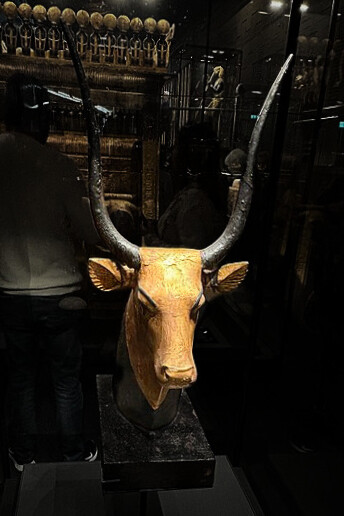
At the GEM, almost the entire collection of more than 4,500 objects of Tutankhamun’s treasures is displayed together for the first time since Howard Carter opened the tomb in 1922. More than half had never been shown to the public before. In a dim, four-level hall, the golden mask sits at the center, surrounded by four towering gilded shrines, decorated chariots, and a gem-encrusted throne. There are also humble things that make a teenage king feel real: sandals, linen socks, and carved furniture. A small room holds two mummified infant daughters that are also shown publicly for the first time. The king’s mummy, however, remains in Luxor.
Anniversary celebrations are expected. Fathy says the museum is preparing a set of events and "surprises" that will be announced soon, with no details provided at the time of publication. Meanwhile, foreign visitors will pay more starting November 1, when tickets rise from $30 to $35.
A year is not enough to judge a museum built to last for generations. But something bigger has already shifted. For two centuries, ancient Egypt's story was largely told in museums far from Egypt. Now, in sight of the pyramids, Egypt is telling it on its own terms and at its own scale.
For decades, Egyptians and the world waited for the GEM. On November 1, 2026, when it blows out its first candle, the waiting has been replaced by something Egypt knows considerably more about; leaving something behind that was built to last.