English
 Español
 Français
 Deutsch
 Italiano
 Português
Animals have coexisted with humans for thousands of years, offering companionship, nutrition, work, and support, as well as playing a vital role in science and medicine. But beneath many of today's industries is a dark truth: 100 million animals are held prisoner, terrified, hurt, and murdered before their natural time. Whether in scientific experiments, factory farms, or the global pet trade, the suffering of animals remains a serious ethical concern.
Animals used in laboratories
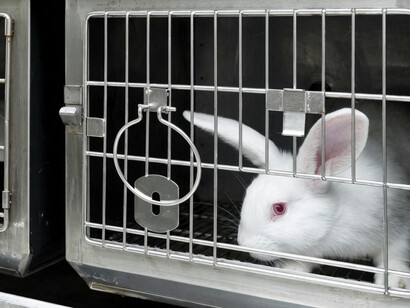
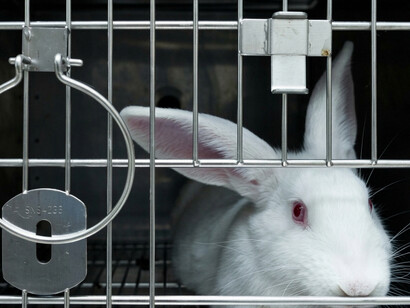
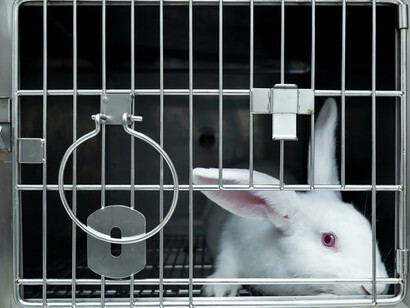
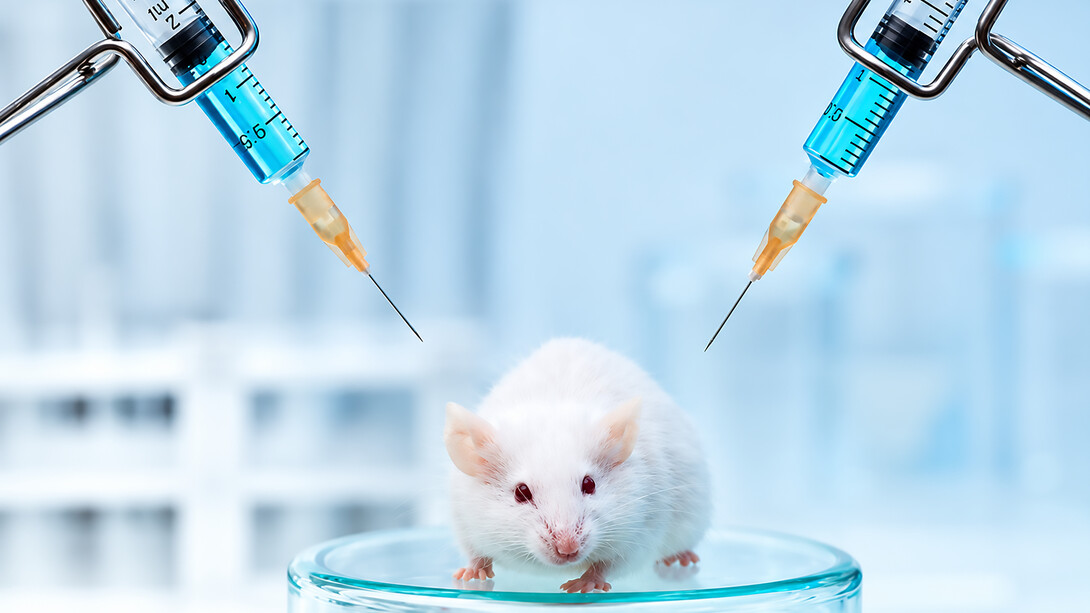
Animals have played a role in biomedical research, the testing of potential medicines, and the search for new medicines and vaccines for as long as these have been carried out. In laboratories, mice and rats are the species most often used, but other species, including rabbits, fish, guinea pigs, dogs, cats, and monkeys, are used too.
The worldwide total is hard to calculate, since different nations record their use of animals differently. A scientific paper estimated that about 79.9 million animals were used in scientific procedures across the world in 2015. If animals killed for their tissues, animals used to maintain genetically modified colonies, and animals bred but not used were counted, the scientists estimated a much higher total of 192.1 million.
But the ethical issue isn't just that animals are used. Some experimental procedures involve invasive surgery, caging, contaminated water or feed, disease induction, or exposure to the test material. Laboratory conditions often deny animals the opportunity to perform many of their natural behaviors.
Yes, scientific research has assisted medical science, but that does not relieve us of our obligation to limit suffering. In modern animal-welfare science, the Three Rs (Replacement, Reduction, and Refinement) apply. 'Replacement' refers to avoiding the use of animals wherever possible; 'reduction' refers to using fewer animals; 'refinement' involves modifying procedures to minimize pain and distress. Scientists are researching alternatives using human tissues and cells, computers, and other non-animal procedures.
Suffering behind intensive farming
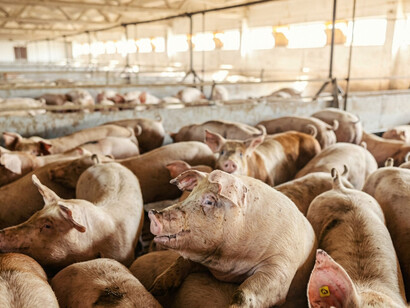
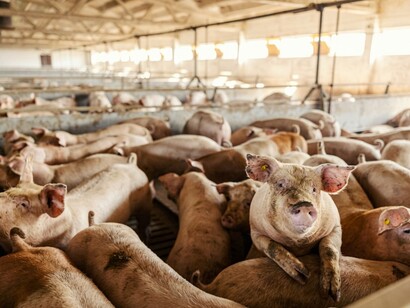
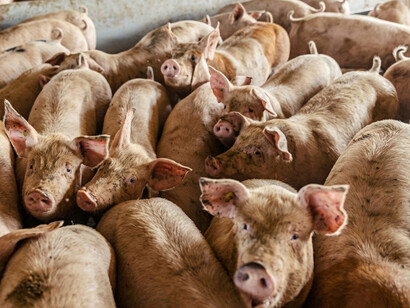
Another huge animal-welfare issue concerns farm animals: chickens, pigs, cows, sheep, and other species grown for meat, milk, and eggs. Living on a farm is not automatically cruel, but highly intensive production can result in major welfare issues where the focus is on efficiency and cheapness rather than the needs of the animals.
The Food and Agriculture Organization has acknowledged the importance of welfare concerns in the debates on intensification of animal-production systems. Since animals are sentient, the way they are reared is not only an agricultural matter but also an ethical concern.
In systems that are very intensive, the animals will spend most of their life in limited spaces. This limitation in space may restrict the animal from expressing its natural behaviors, such as exploring the environment, nest-building, socializing, or moving comfortably. Poor management, stressful transportation, and also cramped housing may lead to poor welfare.
Consumers don't usually get to see these parts of the food system. Meat, milk, and eggs are packed up to look attractive at the supermarket, encouraging us to maintain an emotional wall between us and the living creature it came from. Being more transparent might give producers and consumers the push to do better.
Dogs and cats in the meat trade
Some countries, notably in Asia, have elicited concern around the world for how they treat dogs and cats for human consumption. It is critical, though, to avoid stereotyping whole nations or cultures. The use of dogs and cats as meat is not practiced throughout China, Vietnam, or Asia as a whole, and many local animal-rights advocates oppose it.
Based in China, Humane World for Animals believes the country kills about 10 million dogs and four million cats for food each year. The group points out that the practice of eating cat and dog meat is not common among the Chinese people and says that some animals may be pets or stolen dogs and cats. They are sometimes shipped far and wide in packed cages and may suffer from heat stroke, dehydration, or suffocation.
The country is home to a significant dog and cat meat trade. Approximately 5 million dogs and 1 million cats are believed to be rounded up, sold into the supply chain, or slaughtered for meat in Vietnam annually, according to Humane World for Animals. Many animals are shipped in cramped cages without sufficient access to water, food, or even rest. In June 2026, police confiscated more than 400 cats from a large shipment linked to the country's cat-meat trade in Ho Chi Minh City, with some even reunited with owners who had been searching for their missing pets.
Change, however, is possible. There is resistance in the country or countries concerned, and animal-protection and local groups still advocate for stronger legislation. For example, in 2020, China banned dog and cat meat consumption in two cities, Shenzhen and Zhuhai, and dogs became a nationally designated companion species, not livestock.
A need for greater compassion
The pain caused to animals in laboratories, intensive farms, and the meat trade prompts a bigger question: How much pain are humans willing to put up with for our convenience, profit, food, and science?
Immediate change isn't always possible. More animal-friendly laws, humane farming practices, clear food-production processes, prosecutions of illegal animal trafficking, and investment in new alternatives to animal experimentation can all prevent a huge amount of suffering.
Animals themselves do not have a voice to campaign for a safer lab, a better farm, or freedom from abuse. That is the duty of people. Progress in science, food, and economics does not have to be ruthless. The progress of a civilized people is in how they treat the defenseless creatures in their midst.