English
 Español
 Français
 Deutsch
 Italiano
 Português
Africa's closest political and economic ties have historically been with Europe and the United States. Britain, France, Portugal, Belgium, and others were former colonies that possessed strong influence all over the continent before and after independence. Western governments financed aid initiatives, the elections, and economic policy and sometimes even acted as development partners for Africa.
However, in the past two decades, there has been a significant change.
China's footprint on Africa has grown fast in the fields of trade, infrastructure, technology, mining, and diplomacy. Chinese investments can be seen everywhere in Africa, from the highways of Kenya to the railways of Ethiopia, the ports of Tanzania. In the midst of this burgeoning partnership, a worldwide question emerges: is China claiming Africa, or is Africa just discovering a new ally to her decades-long frustration with the West? The answer is not as cut-and-dried as political headlines make it look.
China's rise in Africa was no coincidence. At a time when many nations in Africa were wary of "Western interference and conditional aid and unequal partnerships. Beijing's Africa policy is based on a different message, centered around trade, infrastructure, investment, and what Beijing terms “mutual benefit.”
China has also openly declared that it will not meddle in African countries' affairs as most of the Western governments do. Before Beijing signs trade deals and finances projects, it is unlikely to raise issues of democracy, governance, and human rights with African leaders. This approach is more respectful and less controlling of many African governments. This has won China a lot of goodwill on the continent.
In countries such as Kenya, Ethiopia, Angola, Nigeria, and Zambia, Chinese companies have financed roads, airports, railways, power plants, and telecommunications systems at a speed Western partners often failed to match. With the backing of Chinese funds and technology, the Standard Gauge Railway in Kenya emerged as one of the biggest infrastructure initiatives in decades for East Africa. China's other significant involvement in modernising transport in Africa is the Addis Ababa–Djibouti railway in Ethiopia.
China is seen as being more interested in physical development, whereas Western countries are more interested in political influence and strategic control over many Africans.
Many European powers did not completely let go of Africa even after the end of colonialism, critics of the West say. For instance, France has been called out over its ongoing influence in the economies and politics of West Africa. The French military presence and the monetary system of the CFA franc have been a source of anti-French protests in countries like Mali, Niger, and Burkina Faso.
In some regions of Africa, there is growing dismay over what is perceived as double standards practiced by the West. African leaders are constantly pressured on governance, and Western countries are still supporting authoritarianism in other countries when it suits their interests. Military operations in Libya and Iraq also undermined the credibility of the West in the eyes of many Africans, who felt the actions were destabilising the nations and not liberating.
China, in contrast, presents itself as a nation that is aware of historical humiliation, colonial exploitation, and development struggles. Beijing often portrays itself as an equal to Africa in its partnership, instead of a donor to its recipient. The other factor that has made China look good in Africa is its speed.
The process of western-backed projects can be lengthy, taking years to negotiate, to establish governance parameters, to review the environmental impact, and to experience bureaucratic delays. Chinese-supported projects tend to be completed more quickly. The China option can be a more convenient and viable financing mechanism for African leaders who want to experience infrastructure development in the shortest possible time.
China is also the largest trading partner of African countries. China-Africa trade has grown enormously since the beginning of the millennium. African countries sell oil, copper, cobalt, and agricultural goods to China and buy machinery, electronics, vehicles, and manufactured goods from China.
This relationship has several benefits for the African continent. The infrastructure expansion is one of the biggest gains. African countries have a serious need for roads, railways, ports, and power generation facilities to facilitate industrialisation. Some of these gaps have been filled sooner than Western institutions, with the help of Chinese finance.
China has also been driving up competition for African resources and markets. Prior to China's ascent, many African countries were powerless to negotiate with Western governments and companies. African countries have alternative partners and bargaining power with the involvement of Beijing.
Moreover, China has been willing to invest in countries where Western investors are not keen to invest because of the political risk. This has enabled some African economies to obtain funding that they would not have been able to obtain elsewhere.
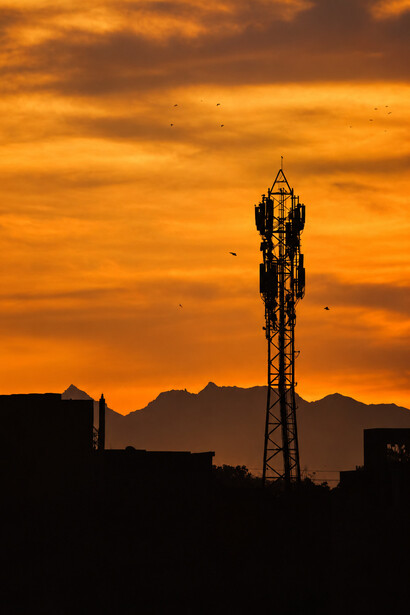
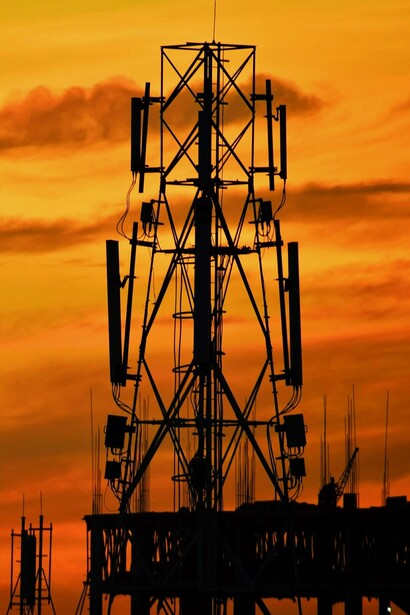
Educational and technological benefits also exist. Thousands of Africans are studying in China on scholarships, and China's telecom companies have established internet and mobile connectivity throughout Africa.
But Africa's ties with China have their dark side, too.
One major concern is debt.
There are several African countries which have millions of dollars owed to Chinese lenders. Some worry that some governments will not be able to pay back these loans, particularly if projects do not bring in the economic returns anticipated. Zambia was one of the most apparent cases when it went into debt distress, partly due to Chinese borrowing.
Also, there are worries of dependency. Others say that Africa is in danger of falling into a new form of dependency on China instead of achieving its economic independence. A lot of Chinese projects use Chinese contractors, equipment, and labour, which is making it difficult for the local industries to grow.
The other issue is the trade deficit. Africa mainly exports raw materials to China while importing finished manufactured products. This is the same economic system prevalent under the system of Western trade during the colonial period. The critics contend that Africa still has to produce raw materials and not goods of value.
There have also been a number of countries concerned about labour issues. Charges have been brought against Chinese firms in Africa for bad working conditions, low levels of local employment, and cultural conflict with local communities.
Trading with the West, however, has its pros and cons as well.
Major development aid, investment funds, education partnerships, and access to large export markets are still provided by Western countries. African goods continue to be exported to Europe and the USA, and Western institutions continue to fund healthcare, humanitarian programs, and governance reforms in Africa.
Some of the projects in China are less transparent and have lower environmental standards and labor protections than Western partnerships. Supporters say the standards can help curb corruption and unsustainable development. The West is also a source of technology, innovation, and higher education opportunities for Africans.
However, the drawbacks are the same. Western economic ties reflect corruption and inequalities of the colonial era, which many Africans feel are still being observed today. African exports are subjected to unfair trade barriers, and Western corporations still make huge profits from the extraction of African resources. Structural adjustment programs by western-backed institutions of the 1980s and 1990s have also left painful memories in many countries, such as reduction in government services, economic hardship, etc.
Political conditions are also typically linked with Western aid. This is a form of accountability to the people, for those who support it, but an interference in sovereign affairs for those who oppose it.
In sum, the notion of “China is taking over Africa” is too simplistic.
Africa is not a victim, waiting to be controlled by any one global power or another. African governments are making economic, political, and development choices. The emergence of China in Africa is not merely a reflection of Beijing's ambition but also Africa's quest for alternatives in a world on the verge of transformation.
The serious question for Africa isn't whether to go with China or the West, but both. The challenge is to ensure that whatever partnership it undertakes is really in the best interest of the African people.
The future of Africa will ride on the shoulders of its leaders, who will need to strike better bargains, curtail corruption, build the industry, and not become over-reliant on any outside party. China can provide opportunities, as can the West, but only Africans can develop Africa better than anyone else.
The best thing that any continent can offer is not Chinese investment or Western aid. It's an African way of forging its own future in a world where global powers are battling for a future once again.