English
 Español
 Français
 Deutsch
 Italiano
 Português
Crans-Montana has two names, which makes sense given its two distinct personalities. One is polished: smart shops, excellent restaurants, immaculate terraces, and people who seem to have been born knowing how to ski. The other is gloriously outdoorsy: muddy boots, cowbells, pine forests, mountain lakes, and paths that disappear around a corner, tempting you to follow. We liked both versions, each for different reasons.
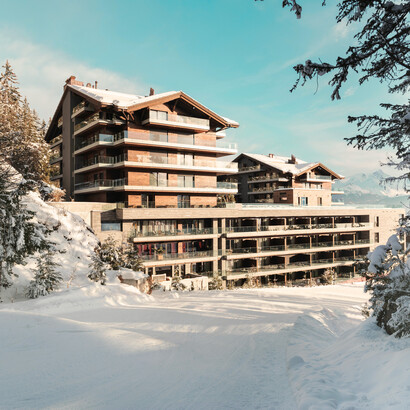
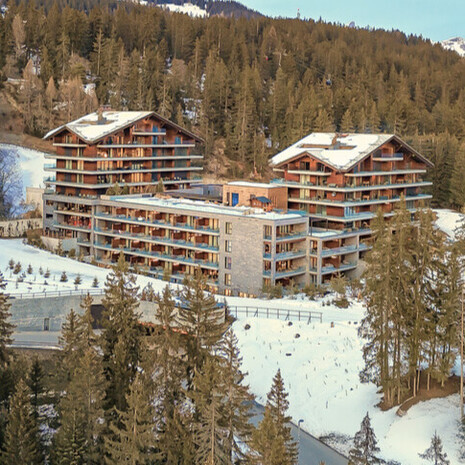
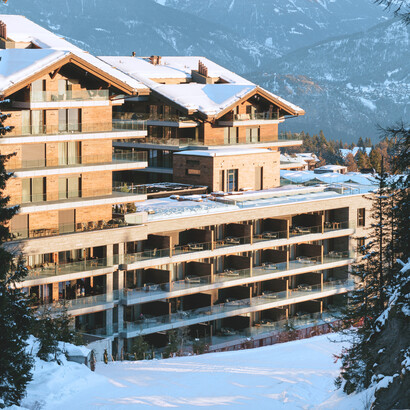
Six Senses Crans-Montana understands this duality. It sits just above the main gondola in Crans, close to the boutiques, yet facing the forest and slopes. You can look at watches one moment and watch clouds gather over the peaks the next. Nothing is very far away, yet the mountains make everyday life feel reassuringly irrelevant.
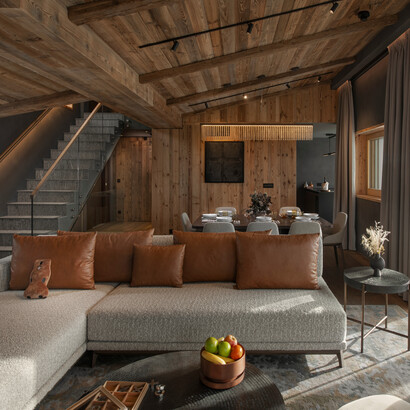
The building avoids the usual Alpine theatrics. There is timber and stone, of course, but no army of carved bears or suspicious quantities of red tartan. The hotel is stylish without acting as though everybody must be on their best behaviour. We could return in walking shoes, drop a jacket over a chair, and settle in without feeling we had disturbed the picture.
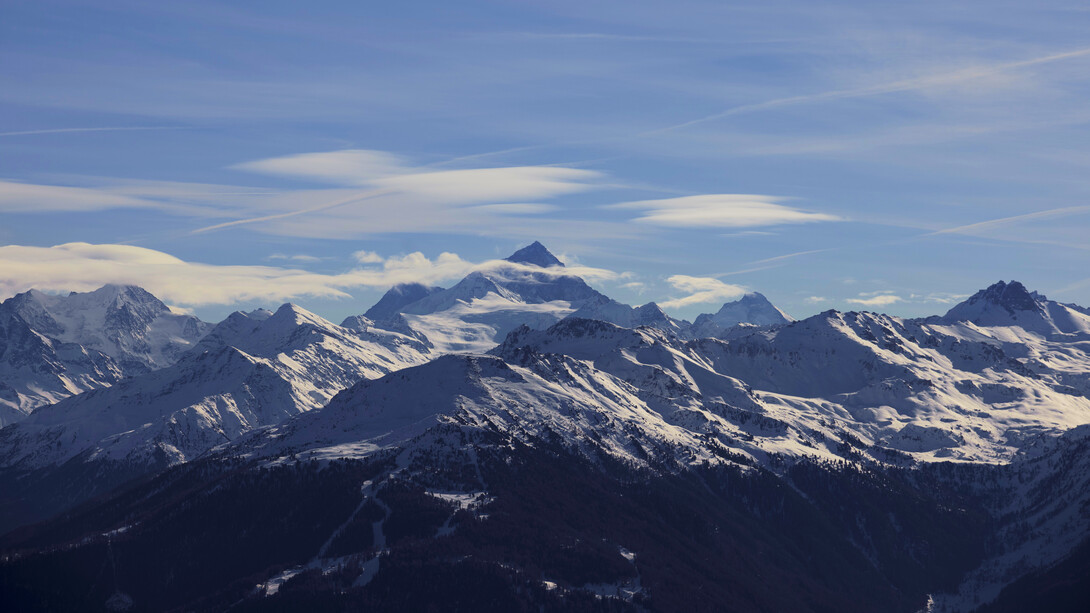
Our room had a terrace overlooking the trees and pistes. The sensible thing would have been to unpack. Instead, we stood outside trying to identify mountains we did not recognise. That did not stop us from confidently pointing at them. That is what a view does: it turns everyone into an amateur geographer.
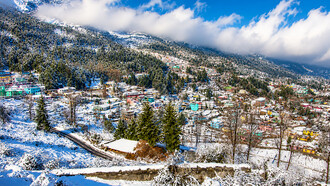
Crans-Montana sits on a plateau above the Rhône Valley, with lakes, vineyards, forests, and high peaks all within reach—and excellent wine, by the way. It is wonderfully easy to get outside. You do not need to prepare for an expedition or buy alarming amounts of equipment. A gentle walk can begin near the centre, and within minutes the shops have vanished behind the trees.
We followed one of the bisses, the centuries-old water channels built to carry water through the Valais region. The path was level enough for conversation, although we fell silent whenever the view opened across the valley. Clear water ran beside us, bells sounded somewhere above, and a cyclist passed with the grim determination of someone who had made a bad decision but was determined to see it through.
We stopped beside one of the lakes and stayed far longer than planned. The water was so still that the mountains appeared twice: once above us and once upside down below. A family unpacked a picnic nearby; someone slipped into the water for a swim. It all felt wonderfully easy, less like sightseeing and more like borrowing an afternoon.
Switzerland is often described as neat, but that is only half the story. The villages may be orderly, and the trains may keep excellent time, yet the landscape is vast and unruly. Around Crans, green meadows give way to rock and forest, and higher still to the Plaine Morte glacier. The contrast is thrilling: geraniums in window boxes below; ice and silence above.
The weather changes everything. Sunlight sharpens every ridge; then clouds arrive and cut the view in half. Five minutes later, it all reappears.
Naturally, all this fresh air made us hungry. Wild Cabin became our daytime base. Its terrace sits among pine and fir trees, and the cooking has enough Alpine substance to reward a walk without leaving us in need of an afternoon in bed. Seasonal vegetables tasted vibrant, the bread arrived warm, and the local ingredients remained reassuringly recognisable.
The breakfast spread was quite something, with something for everyone—literally. There was fruit, yoghurt and every opportunity to behave well, alongside pastries, eggs, bread, Swiss cheese, and a glorious assortment of other delicacies. We tried a little of everything in the interests of balance. Coffee outside with cool air drifting down the slopes made even a second cup feel medicinal.
Byakko, the hotel’s Japanese restaurant, prevents the food from becoming predictably Alpine. After cheese, potatoes, and the appetite inspired by mountain air, its sushi, fish, grilled dishes, and lighter flavours felt exactly right. The room has energy, the plates have colour, and the atmosphere does not demand reverence. We drank sake, ordered another dish, and forgot entirely about the following day’s walk.
Then there is the spa, which is not to be missed. Not as punishment for eating too much, but because warm water and mountains belong together. Swim, steam, sauna, cold water, repeat. We developed strong opinions about the correct order and changed them daily.
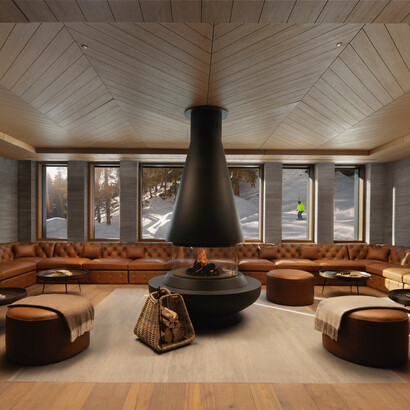
The clever thing about Crans-Montana is that it never forces you to choose between activity and indulgence. Ski hard or sit beside the fire. Walk around a lake or linger over lunch. Swim outside or stay deliciously warm. Ideally, do both. Six Senses works best as part of this landscape, rather than as an escape from it. In winter and summer alike, it offers the best of both worlds.
Switzerland reminded us that beauty need not be complicated. Sometimes it is simply a lake, a winding path, a plate of warm bread shared between two people, or a mountain disappearing into the clouds. You wait a moment. It returns. And perhaps that is the romance of the mountains: however far you wander, they remain quietly beside you, waiting to be found again.
Notes
Here is the website for the hotel: Six Senses Crans-Montana.