English
 Español
 Français
 Deutsch
 Italiano
 Português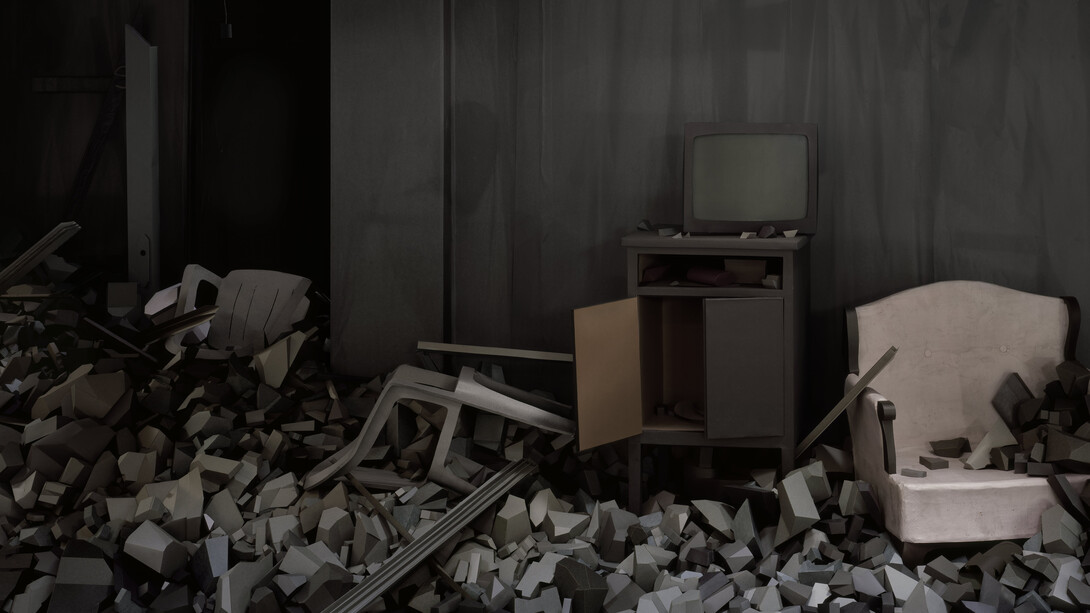
More than sixty works, including photographs, videos, and wallpapers, trace the output of one of the most remarkable artists in contemporary art. Organized in conjunction with the Foundation for the Exhibition of Photography (FEP) , it is curated by Douglas Fogle.
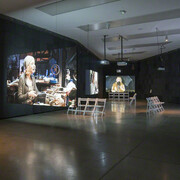
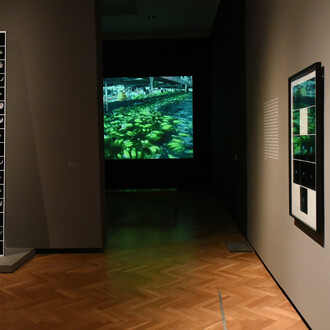
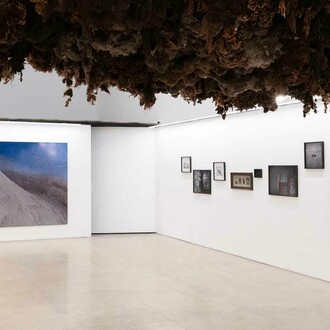
In August 2026, Fundación Proa will inaugurate Thomas Demand: the stuttering of history, the first retrospective in Argentina dedicated to the renowned German artist. Organized in conjunction with the Foundation for the Exhibition of Photography (FEP), it is curated by Douglas Fogle and brings together more than sixty works—large-format photographs, videos, and wallpapers —that span three decades of a practice situated at the intersection of sculpture, photography, and conceptual art.
Demand's arrival in Buenos Aires is one of the most significant events of the cultural season. Following its presentation at institutions such as the Jeu de Paume in Paris and the Museum of Fine Arts, Houston, the exhibition lands at Fundación Proa with a journey that allows visitors to understand a body of work as unique as it is timely , given the immeasurable volume of images that circulate daily across various media platforms.
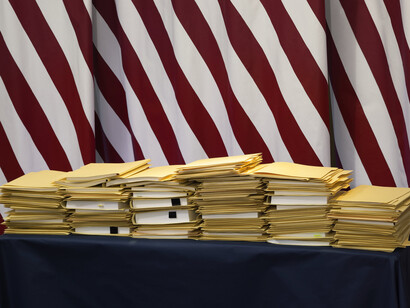
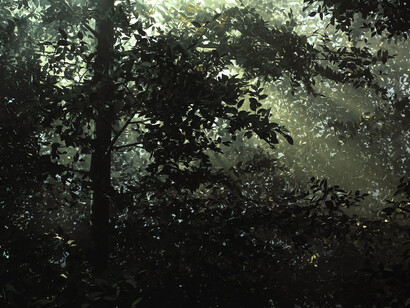
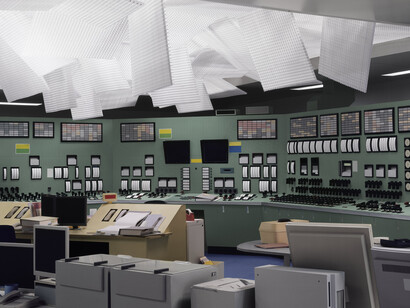
The artist works with a highly personal method: he starts with photographs published in newspapers, magazines, archives, and online depicting emblematic episodes in history, reconstructing those spaces at full scale using only paper and cardboard. Examples include the Fukushima control room after the 2011 tsunami, Edward Snowden's Moscow shelter, the Stasi office in East Berlin, Bill Gates's university dorm room, and the hotel room where Whitney Houston dined for the last time. Never showing people, these empty architectural models preserve the traces of events etched in the collective memory. Once the models are finished, Demand photographs them and then destroys them. The final image is the only vestige of a process that can take the artist months of painstaking work.
“I make cardboard sculptures, photograph them, and then I don’t need them anymore. They reflect something you may have seen before. They’re based on images we know from the news, from movies, or from history. What you see is a copy of a copy, something familiar but never entirely reliable,” the artist explained during his first visit to Buenos Aires. “We all know the Oval Office or Saddam Hussein’s hideout even if we’ve never been there. We share those images globally. Collective memory is like a wonderful block of marble from which I can make my sculptures.”
In a historical moment marked by the incessant circulation of images and the development of artificial intelligence, Demand's work reclaims manual construction and time as essential elements of the art form. “My photographs take months. That slowness gives them depth and allows for revision. The screen always lies; making something with your hands produces a different experience of reality,” he states.