English
 Español
 Français
 Deutsch
 Italiano
 Português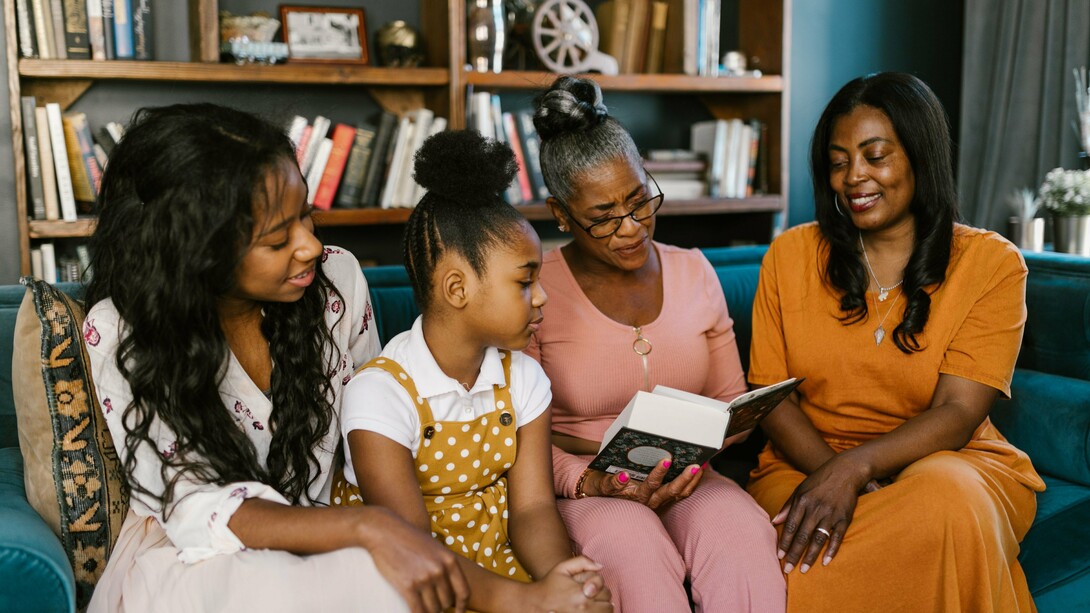
How everyday life quietly turned into content and what we lose when experience becomes display.
Culture used to be something you did
There was a time when culture lived mostly off-camera.
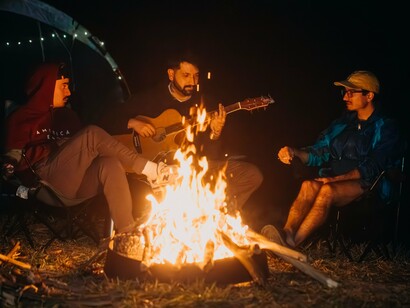
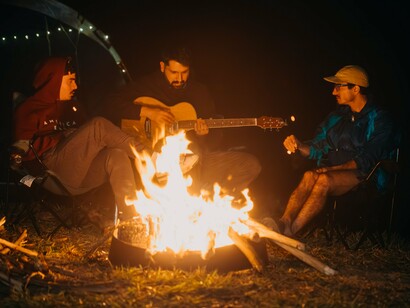
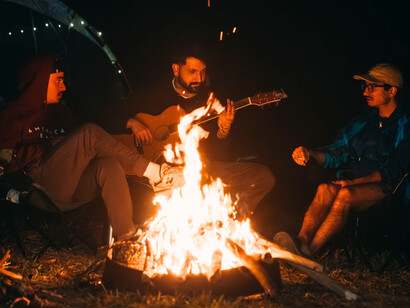
It was in how families gathered without documenting it. In how people dress for themselves, not for visibility. In music played loudly in living rooms, not curated for algorithms. Culture was participatory, messy, and often unremarkable, which is exactly what made it real.
Today’s culture is still everywhere. But it has changed shape.
It is performed.
Living for the moment—or for the evidence?
Modern life increasingly asks a subtle question: Did it happen if no one saw it?
Meals are photographed before they are eaten. Trips are planned around “content opportunities. "Opinions are shaped in anticipation of how they will be received. Even grief, joy, and healing often come with an unspoken pressure to be shareable.
Experience is no longer enough. Proof is required.
This shift didn’t happen overnight. It crept in gently, disguised as connection, expression, and visibility. But somewhere along the way, living and performing became deeply entangled.
The rise of the curated self
Cultural identity used to be shaped by community, geography, and shared memory. Now, it is increasingly shaped by presentation.
People learn early how to package themselves: which parts are acceptable, which are marketable, and which should stay hidden. Humour is sharpened for engagement. Vulnerability is edited for palatability. Authenticity is carefully managed.
The result is not dishonesty; it's exhaustion.
Maintaining a version of yourself that is always watchable requires constant self-monitoring.You are never just being; you are assessing how being looks from the outside.
When culture becomes content
Cultural practices that once existed for meaning now often exist for visibility.
Traditions are re-enacted for aesthetics. Language is simplified into captions. Rituals are shortened to fit time limits. Even activism risks becoming symbolic rather than sustained, something to post, not something to carry.
This doesn’t mean people are insincere. It means culture is increasingly filtered through systems that reward performance over depth.
What spears fastest is what looks good, not what lasts.
The speed problem
Culture needs time.
It needs repetition, inheritance, disagreement, boredom, and silence. But digital culture moves at a pace that does not allow for slow understanding. Trends replace traditions. Virility replaces memory.
When culture becomes fast, it becomes fragile.
Ideas are often consumed and discarded before they have a chance to mature. Nuance disappears. Context collapses. What remains is a surface-level familiarity that feels like knowledge but isn’t.
The global mirror
This shift is not confined to one country or generation. Across continents, people recognize the same patterns: the pressure to be visible, the pressure to perform, and the pressure to turn life into a narrative.
Yet the consequences are uneven.
In some places, performance is optional. In others, visibility becomes survival, a way to access opportunity, income, or recognition. The line between self-expression and self-exploitation grows thin.
Culture, once collective, begins to feel transactional.
What we lose when everything is shown
Not everything needs an audience.
Some moments lose their power when they are explained. Some identities grow strongest in privacy. Some traditions need protection from constant reinterpretation.
When every experience is framed for sharing, we risk losing intimacy not just with others, but with ourselves.
There is a quiet grief in realizing you no longer remember how something felt but also remember how it looked.
The resistance of the unseen
And yet not all cultures perform.
Some of it still exists quietly: conversations that stay in rooms, habits passed down without documentation, and choices made without announcement. These moments rarely trend, but they endure.
There is resistance in choosing to live without narrating. In keeping parts of yourself unmonitored, refusing to turn meaning into material.
These acts are not loud, but they are cultural.
Reclaiming lived culture
Reclaiming culture does not mean rejecting modern tools. It means remembering that culture is something we inhabit, not something we produce.
It lives in how people treat one another when no one is watching. In what is preserved without applause. In what is repeated even when it is not new.
Culture survives not because it is seen, but because it is lived.
The most powerful cultural moments often leave no trace online.
They are felt, not posted. Remembered, not archived. Carried forward quietly.
In a world that constantly asks us to perform, choosing to live fully without always displaying it may be one of the most meaningful cultural acts left.
It is in these quiet, unrecorded moments that culture continues to survive and evolve.
And perhaps culture, at its core, has always been less about being seen… And more about being shared, slowly, from one life to another.