English
 Español
 Français
 Deutsch
 Italiano
 Português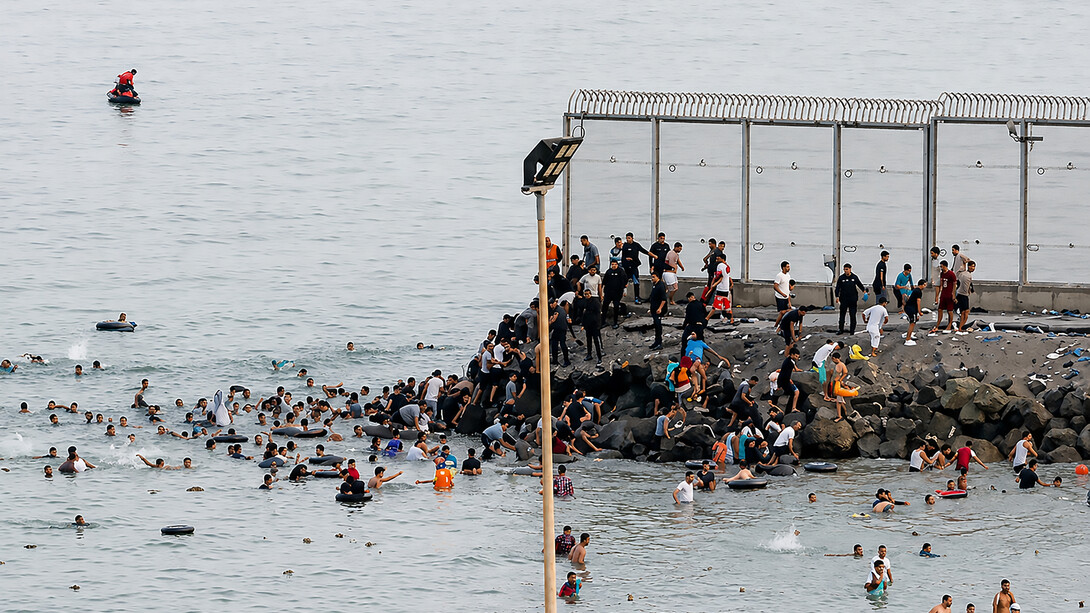
What if I make it?
What if I manage to swim to Europe, cross the sea and receive this privilege to start again—to work and get results for my labour, so that my children can go to school and my wife does not have to live in fear?
What if this life actually exists, where people can decide what they want to do with their lives based on their passions and skills? Oh my God, what if my interests determine my life?
If you make it…
They say there is peace out there. It is not easy to adapt, and people may still look down on you. Sometimes, you wait years to receive your legal status, and you have to be lucky enough that migration remains on the agenda of the next politicians. Europeans may look down on you because you do not share their religion, they say, and sometimes, even in democratic societies, status is all that matters.
But still, hunger, war and poverty do not exist there in the same way they do back home.
Tell me, reader: if you believe the news that these people come to invade Europe and destroy its values, or that they are paid by someone rich to advance a political agenda, for what price would you swim across the sea?
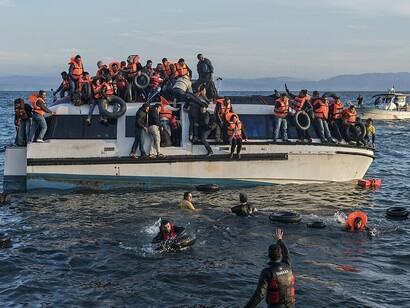
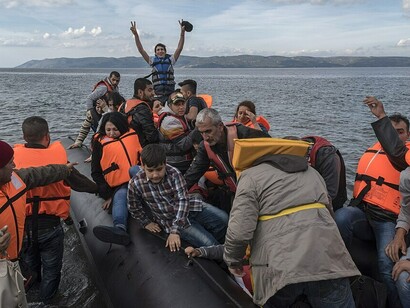
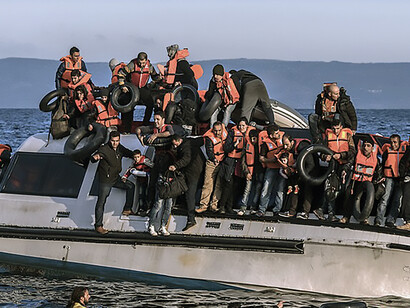
How much would someone have to pay you to agree to swim for eight hours through unknown waters, towards a coastline that might accept you—or might not? How bad would life at home have to become before you left everything behind and entered the sea?
History shows that those coming to conquer usually arrive on ships, with treasure behind them and weapons ready to destroy. They do not arrive exhausted, holding their clothes above the water and hoping that somebody will allow them to remain alive.
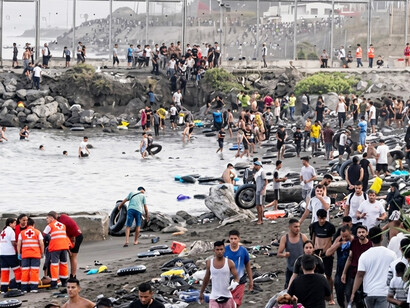
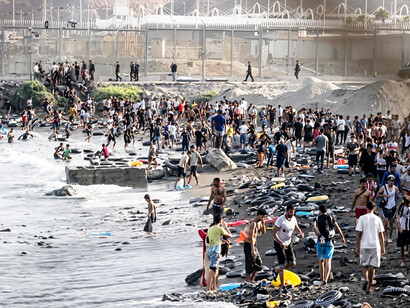
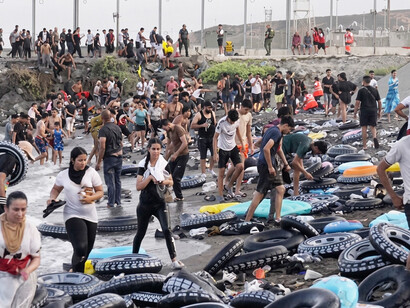
Reflecting on the current situation in Ceuta, where tens of thousands of people have reportedly entered Spanish territory from Morocco, makes me think again about how migration has become a modern weapon of diplomatic punishment. The exact numbers and causes are still being disputed as the situation develops. What is not disputed is that people entered the sea, that lives were placed at risk and that the movement of vulnerable human beings immediately became part of a political conflict.
Border control has become a new currency in international relations, and every country uses it on its own terms.
This article is not a political analysis, so I will not go deeply into the geopolitical relations between Spain, Algeria and Morocco. From a humanitarian point of view, however, I want to ask you to imagine the people who suddenly heard that the border was passable.
Reports and rumours spread. People began moving towards Ceuta. Some arrived prepared with wetsuits and waterproof bags; others entered the water with whatever they had. Exactly who encouraged them, what promises they heard and how organised the movement was remain matters of dispute. But when thousands of people believe that the sea has suddenly become an open door, political responsibility cannot end at the shoreline.
Moroccan authorities have denied wanting the crisis, while Spanish officials and commentators have offered different explanations—from smuggling networks and social inequality to changing border enforcement and diplomatic tensions. But whatever the final political explanation may be, the people in the water carried the consequences.
And then political leaders and media outlets did not miss the opportunity to use the situation to push their own narratives, while the sea was being flooded with the empty dreams of some of the weakest people in this world.
Countries’ agendas—advanced. Government statements—delivered. Border forces are in action.
Media clicks—doubled.
The people who reached the shore cheered because they had reached Spanish territory while still standing on their own continent. They did not know what would happen afterwards, but perhaps they hoped that something better would finally come.
Many then discovered that they would have to go back. The previous twenty-four hours would be erased and, within days, forgotten by most of the world.
Do not get me wrong. I am not opposing the legal protocols and procedures surrounding migration. Law is a mandatory pillar of a functioning democracy, but it must also be supported by political values and morality.
Should risking human lives for political interests not be illegal too?
How can we live with such inequality that political communication has become possible through human lives?
Behind every migration statistic is a person forced to choose between certainty of suffering and the uncertainty of survival. Before judging those who enter the sea, perhaps we should ask a different question: not why they left, but what kind of world leaves them believing that the sea is their safest option?
Perhaps the question is no longer whether they will make it across the sea. Perhaps the question is what remains of us when we watch them swim, turn their suffering into political language and forget them as soon as they disappear from the shore.