English
 Español
 Français
 Deutsch
 Italiano
 Português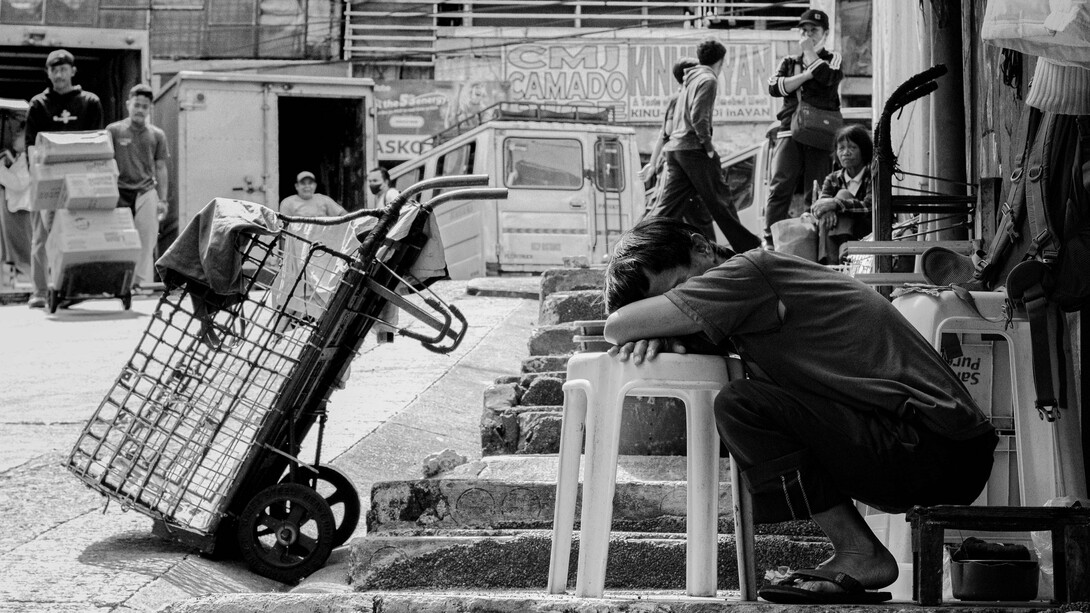
Across the Philippines, a growing number of citizens no longer describe government corruption as a series of isolated scandals. Instead, many now speak about the state as though it were a massive, self-protecting syndicate, an entrenched network of political dynasties, business interests, law enforcement figures, bureaucratic gatekeepers, and power brokers operating with one shared objective: survival.
This sentiment is no longer confined to activists, academics, or opposition groups. It is heard in jeepney terminals, sari-sari stores, universities, online forums, corporate offices, and overseas Filipino communities. The frustration is raw, widespread, and increasingly dangerous for the nation’s democratic future.
The perception did not emerge overnight. It was built slowly through decades of corruption scandals, unfulfilled promises, institutional decay, and political theater that many Filipinos believe has replaced genuine public service. What once appeared to be dysfunction now looks, to critics, disturbingly systematic.
For millions of Filipinos, the issue is no longer whether corruption exists. The question has become whether corruption itself is the system.
The Philippines has long struggled with political patronage. Families dominate local and national politics across generations, consolidating power into dynasties that often operate with minimal accountability. Elections, theoretically the cornerstone of democracy, are frequently criticized as expensive popularity contests where influence, machinery, and celebrity outweigh competence and policy.
In province after province, the same surnames rotate positions between governor, mayor, congressman, and councillor. Rivals often belong to the same extended clans. Political alliances shift not according to ideology, but convenience. Loyalty is transactional. Public office becomes hereditary.
Critics argue this structure creates a government that behaves less like a public institution and more like a cartel. Resources are distributed strategically to maintain influence. Infrastructure projects become political currency. Government contracts allegedly flow toward allies.Investigations appear selective. Accountability becomes conditional.
The ordinary citizen watches this cycle repeat endlessly.
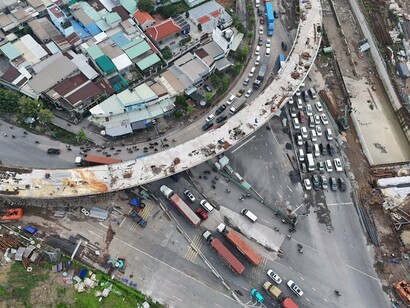
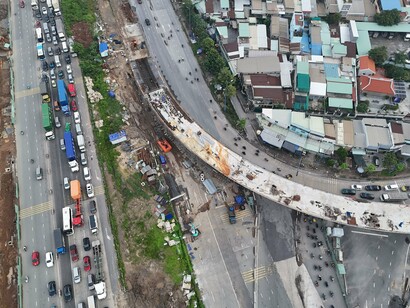
Roads remain unfinished. Flood control projects fail. Public hospitals remain understaffed.Farmers continue struggling with rising costs and low income. Teachers buy classroom supplies with personal money. Yet year after year, officials accused of corruption return to office, sometimes winning by overwhelming margins.
This contradiction has fuelled public cynicism. Many Filipinos no longer believe competence determines political survival. Visibility does. Machinery does. Money does.
The erosion of trust has been intensified by the digital age. Social media, once hailed as a democratising force, has evolved into a battlefield of propaganda, disinformation, and manufactured narratives. Political machinery has adapted quickly, weaponising algorithms, influencers, troll farms, and content networks to shape public perception.
Online criticism is often drowned in coordinated messaging campaigns. Historical revisionism spreads rapidly. Complex national issues are reduced into viral slogans and personality worship. Political discourse becomes entertainment.
In this environment, truth itself becomes negotiable.
For journalists and watchdog groups, the challenge has become increasingly severe. Independent reporting faces harassment, red-tagging accusations, online attacks, legal pressure, and economic intimidation. While the Philippines maintains democratic institutions on paper, critics warn that the culture surrounding those institutions is weakening.
Fear no longer arrives solely through censorship. It arrives through exhaustion. Citizens grow tired of outrage because outrage changes little.
The justice system, meanwhile, suffers from its own credibility crisis. High-profile cases move slowly or disappear from public attention entirely. Convictions involving powerful figures remain rare. Investigations often generate headlines but few consequences. This perceived impunity reinforces the belief that laws apply differently depending on wealth, influence, or political alignment.
For many Filipinos, justice feels accessible only to those who can afford it.
The consequences extend beyond politics. Economic inequality continues widening despite periods of national growth. While urban skylines expand and luxury developments rise, millions remain trapped in insecure employment, stagnant wages, and rising living costs.
The Philippines produces talented workers who are globally competitive, yet countless families still rely on remittances from relatives working abroad. Overseas Filipino Workers remain celebrated as modern heroes, but their sacrifices also expose a painful truth: many citizens believe opportunities are more attainable outside the country than within it.
This contradiction deepens national frustration.
The nation possesses abundant natural resources, a young population, strong English proficiency, cultural resilience, and enormous economic potential. Yet systemic inefficiencies and corruption continue undermining progress. Investors cite bureaucratic obstacles. Entrepreneurs complain about red tape. Small businesses struggle with inconsistent regulation and uneven enforcement.
Many Filipinos increasingly view corruption not merely as theft, but as an invisible tax imposed on every aspect of life.
It affects transportation, healthcare, education, permits, policing, utilities, and even disaster response.
During typhoons and national emergencies, stories frequently emerge about delayed aid, politicised relief distribution, procurement controversies, or missing funds. Each scandal reinforces public suspicion that crises themselves become opportunities for exploitation.
Trust erodes further every year.
What makes this moment particularly volatile is that the anger is no longer purely ideological. It is practical. Ordinary Filipinos feel exhausted by daily survival.
Inflation pressures households already living on a paycheque to pay cheque. Transportation costs rise.Food prices fluctuate unpredictably. Housing becomes increasingly unaffordable in major urban centres. Public services struggle to keep pace with population growth.
Citizens are not simply debating abstract political theory. They are questioning whether the system still works for them at all.
In conversations across social classes, one phrase appears repeatedly: “Para sa sarili lang nila.” The belief that officials serve themselves first has become deeply embedded in public consciousness.
Yet despite this growing cynicism, the Philippine political system remains remarkably resilient.Elections continue. Institutions continue operating. Political transitions still occur peacefully compared to many nations facing democratic backsliding.
This paradox reveals something important about the Filipino psyche.
Filipinos remain deeply hopeful people.
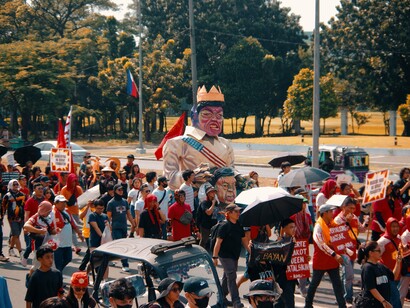
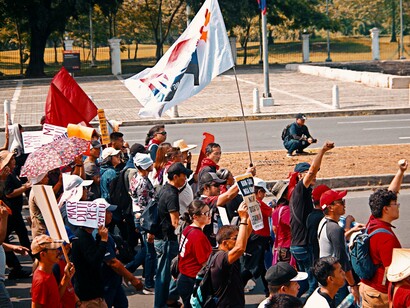
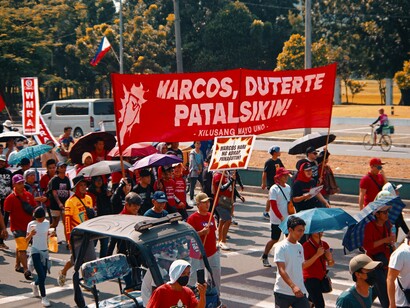
Even amid frustration, citizens continue voting, organising, protesting, volunteering, reporting abuses, supporting local initiatives, and demanding reform. Civil society groups remain active.Independent journalists continue investigating wrongdoing despite pressure. Young Filipinos increasingly engage in political discourse online and offline.
The anger, while intense, also reflects lingering belief that the country can still improve.
History offers evidence that public pressure matters. The Philippines has repeatedly demonstrated the capacity for civic mobilisation, from the People Power Revolution to grassroots disaster response networks and anti-corruption campaigns. Public outrage has toppled powerful figures before.
But many observers warn that hope alone is insufficient against deeply institutionalised systems.
Real reform would require structural changes that many powerful interests have little incentive to support. Anti-dynasty laws remain stalled. Campaign finance reform progresses slowly.Transparency mechanisms face resistance. Whistleblower protections remain weak. Political education is inconsistent. Digital misinformation spreads faster than factual reporting.
Critics argue that without systemic reform, elections merely reshuffle personalities within the same underlying network.
The result is a dangerous political atmosphere where distrust becomes normalised.
When citizens stop believing institutions can deliver justice, accountability, or opportunity, democratic stability weakens. Cynicism creates fertile ground for authoritarianism, populism, and political extremism. Strongman narratives become appealing because they promise swift solutions to entrenched problems.
This pattern is not unique to the Philippines. Democracies worldwide face rising distrust toward institutions. But in the Philippine context, where poverty, inequality, dynastic politics, and historical corruption intersect, the risks are especially significant.
The language people now use reflects that shift. They no longer describe corruption as individual betrayal. They describe it as organised behaviour. A syndicate.
Not necessarily in the literal criminal sense, but as a system perceived to protect insiders while ordinary citizens absorb the consequences. That perception alone carries enormous consequences, regardless of political affiliation. Governments ultimately rely not only on laws or force, but public legitimacy. When legitimacy weakens, every institution suffers, from law enforcement to taxation, public health campaigns, education systems, and electoral participation.
Rebuilding trust would require more than slogans or rebranding exercises. It would demand visible accountability, institutional transparency, merit-based governance, stronger civic education, judicial independence, and genuine political reform.
Most importantly, it would require leaders willing to sacrifice personal and political advantage for institutional integrity, something many Filipinos fear has become increasingly rare.
The tragedy is that the Philippines is not a hopeless nation. Far from it.
Its people remain among its greatest strengths: resilient, adaptive, creative, hard-working, and community-driven. Filipino talent succeeds globally in medicine, engineering, technology, arts, business, hospitality, and public service. The nation possesses the human capital necessary for transformation.
But potential alone cannot sustain a country indefinitely. Citizens eventually demand systems that function fairly, consistently, and transparently.
The growing belief that the Philippine government resembles a self-protecting syndicate should alarm leaders across the political spectrum. Even if exaggerated, perceptions shape national reality. Trust, once broken deeply enough, becomes extraordinarily difficult to restore.
And today, for many Filipinos, the deepest crisis facing the nation is no longer simply corruption itself. It is the growing fear that corruption has become normalized to the point where the system no longer remembers what genuine public service is supposed to look like.