English
 Español
 Français
 Deutsch
 Italiano
 Português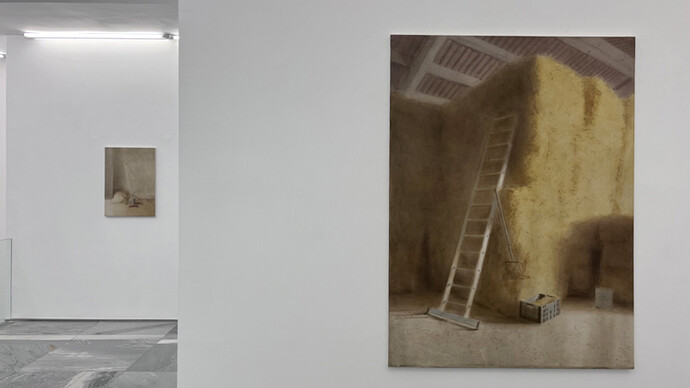
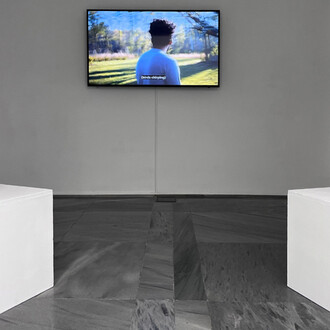
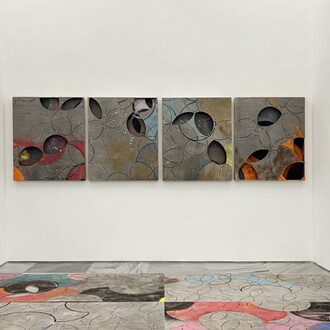
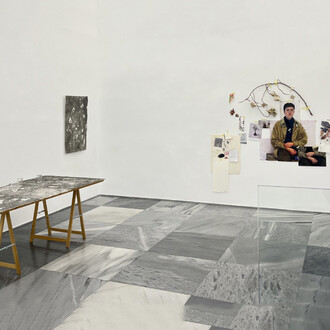
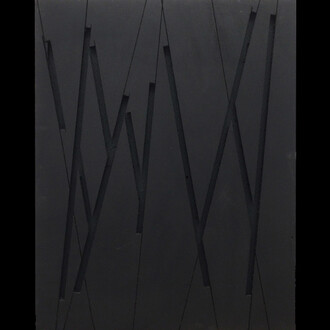
Espacio Mínimo presents the sixth solo exhibition by the artist Antonio Montalvo in its space. Siempre, todavía (Forever, still), contains the idea that the eternal manifests itself daily in the everyday; it is the conviction that the present is inexhaustible, the only place where reality occurs, and in it his latest pictorial production is concentrated.
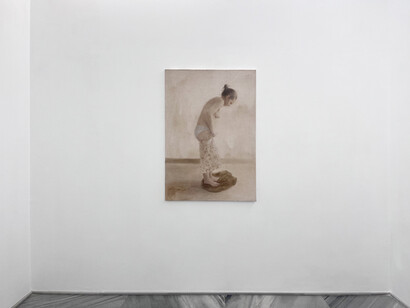
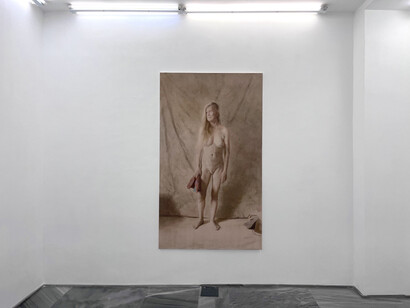
Since embracing painting from life, a discipline in which painter and subject share an emotional bond, the artist has found a quiet and silent tone in which beauty emerges from behind an aura of mystery and melancholy. “It is possible that certain depths cannot be reached from a state diametrically opposed to melancholy. Nevertheless, I aspire for my work to have a hopeful, healing tone” Montalvo says. The titles of his works are simple: Karim, bird, thistles, the studio balcony, the model, Moroccan woman; they describe what is seen, but without claiming a monopoly on meaning, because, as Francisco Baena pointed out in the text for Antonio Montalvo’s exhibition Under an ashy sun, “There is a strictly visual thought. That is the painter’s idea: it is not necessary to verbalize in order to symbolize; his task consists of finding forms of expression for the unspeakable.”
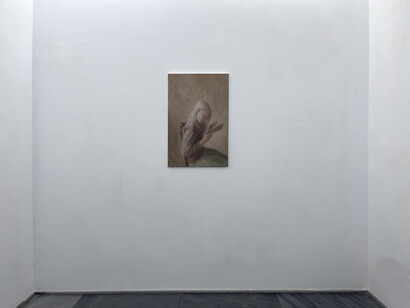
Stripped of all artifice, the themes of his works, never sought out, appear in a natural and casual but necessary way. The genres of painting—figure, landscape, still life—always present in his repertoire, alternate in the exhibition space, highlighting the tour de force involved in lightening and dematerializing what is represented until reaching the minimum expression, emptiness, silence, because just as silence is music, emptiness is also painting. Very diluted oil paint, with hardly any substance, no shine, and evanescent glazes create a light and transcendent atmosphere. “These paintings seem made with something very close to nothingness: not light itself, but its reverse side, the shadow, which is the first thing that light so generously grants us,” the artist tells us. “There is something of Veronica’s Veil—or the Shroud of Turin—in them, as if they had not been painted, but received; as if the image had not been painted but emanated.”
We are faced with a stripped-down, timeless painting that yearns for the essential. Situated in a suspended time, a vanitas in which the artist summons us to celebrate the moment. “The moment, despite its brilliance (or precisely because of it), is tinged with pain: Does not everything that exists owe part of its beauty to the fact that it is already fading away?”.