English
 Español
 Français
 Deutsch
 Italiano
 Português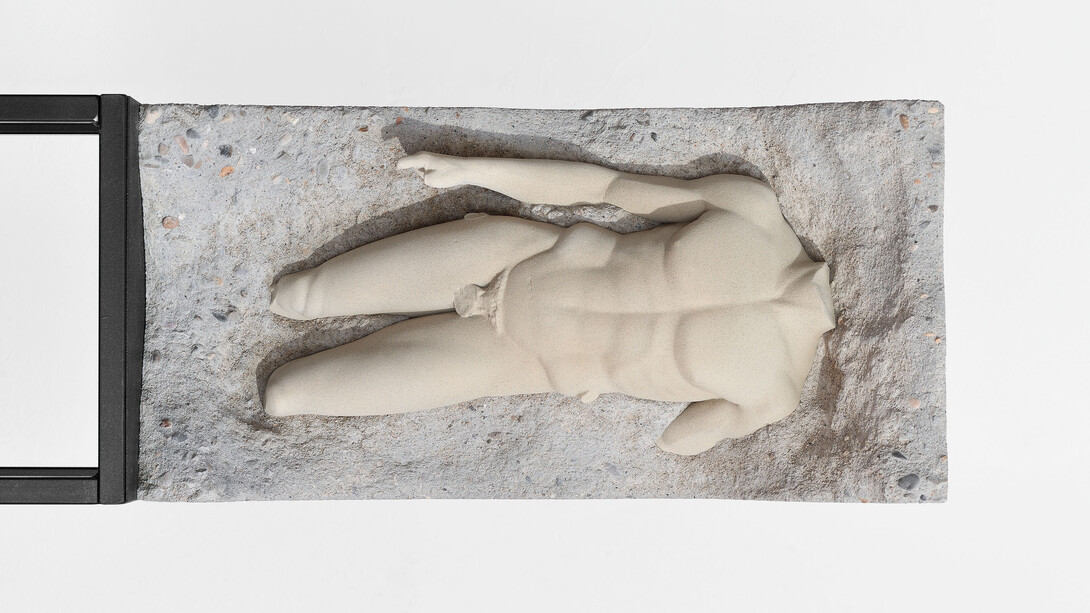
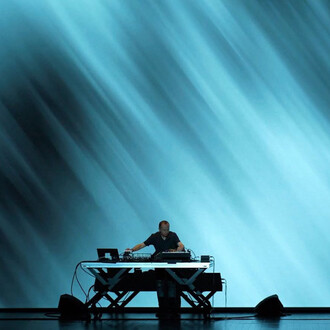
Galleria Triphé will present, on Tuesday, June 30, an interdisciplinary project combining art and music within its exhibition spaces. The event will feature artist Lou Duca and his ongoing exhibition Lost at sea, curated by Maria Laura Perilli, together with a musical performance by soprano Maria Chiara Forte.
The selected musical program and Lou Duca’s sculptural research — particularly the above- mentioned series — reveal numerous affinities. On a sonic level, the musical compositions capture the same sense of fragmentation and bodily memory present in the artist’s works.
The body as relic, archaeological trace, residual voice.
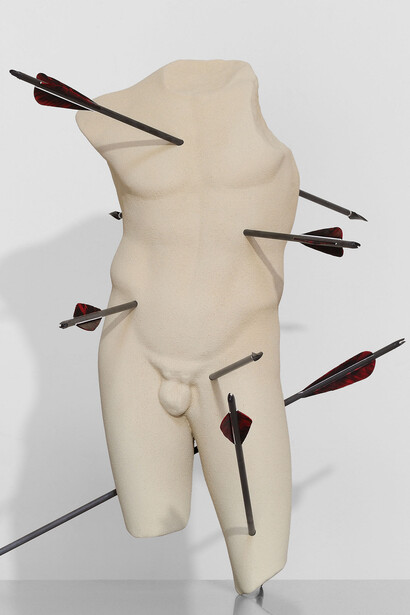
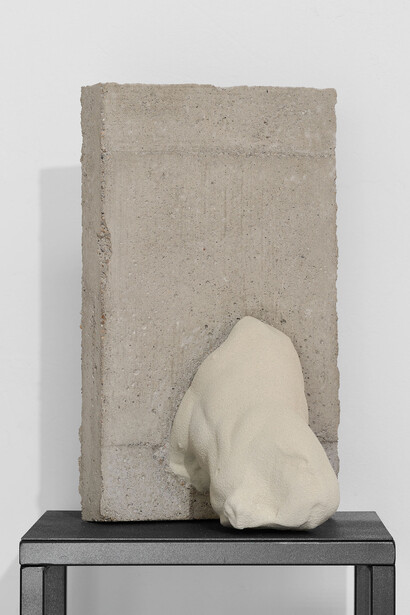
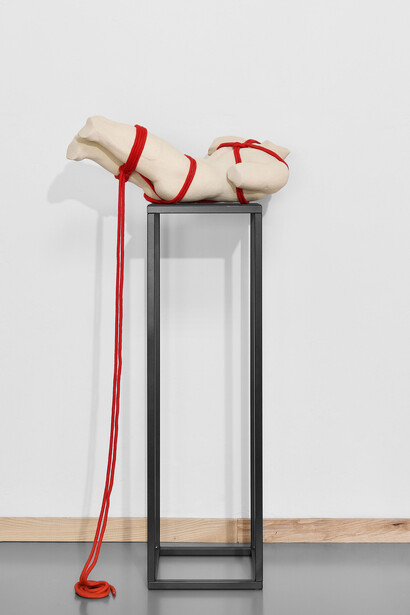
In fact, classicism in Lou Duca’s works is not conceived as something static, but rather as eroded memory and incomplete identity. The cuts and wounds on the sculptures, along with the subtraction of material, become structural elements, just as the recovery of artifacts and their regeneration through 3D technology expand the idea of “a second life” for matter.
In Preludio by Fabrizio De Rossi Re, from Palestrina’s Secret book, there is a clear reference to ancient polyphony and the notion of the secret book, inevitably reconnecting with the concept of historical memory. Here, music becomes reactivated sonic memory, while sculpture emerges as resurfaced bodily memory.
In Tre frammenti su iscrizioni funerarie del I secolo d.C. by Giuseppe Agostini, one perhaps finds the strongest resonance with Lou Duca’s works. The funerary inscriptions are comparable to the “epigraphs of the body” found in ancient sculptures. Fragmentation, for both Agostini and Duca, serves the same purpose: not to display what is missing, but to make visible what remains.
The 3D works further intensify this aspect: the object is transfigured and becomes a relic.
Again with Fabrizio De Rossi Re, in Hora fugit, the variable of time is brought into focus: time that passes, escapes, dissolves. This is also reflected in the suspension and erosion characterizing Lou Duca’s works. In this piece, which incorporates electronics, one cannot avoid an artificial and contemporary dimension that finds a parallel in the 3D modeling of the sculptures.
In Giacinto Scelsi’s Hô, the voice becomes evocation, working with sound as a primordial vibration, almost approaching the divine. This mystical dimension is also present in Lou Duca’s works, where the sacred insinuates itself as residual energy transmitted through the artworks. Mutilation in the sculptures is not absence, but a metaphysical opening.
What unites the two languages — musical and visual — is the deconstruction of the classical canon. The sacred is dismantled in order to become a contemporary experience.
In Luigi Ciuffa’s Salti nella nebbia, one almost perceives the idea that Lou Duca’s sculptures emerge from the fog: incomplete bodies still attempting posture, presence, identity. In Luigi Ciuffa’s work, the voice loses its text, the body loses its face, yet emotional intensity remains overwhelming.