English
 Español
 Français
 Deutsch
 Italiano
 Português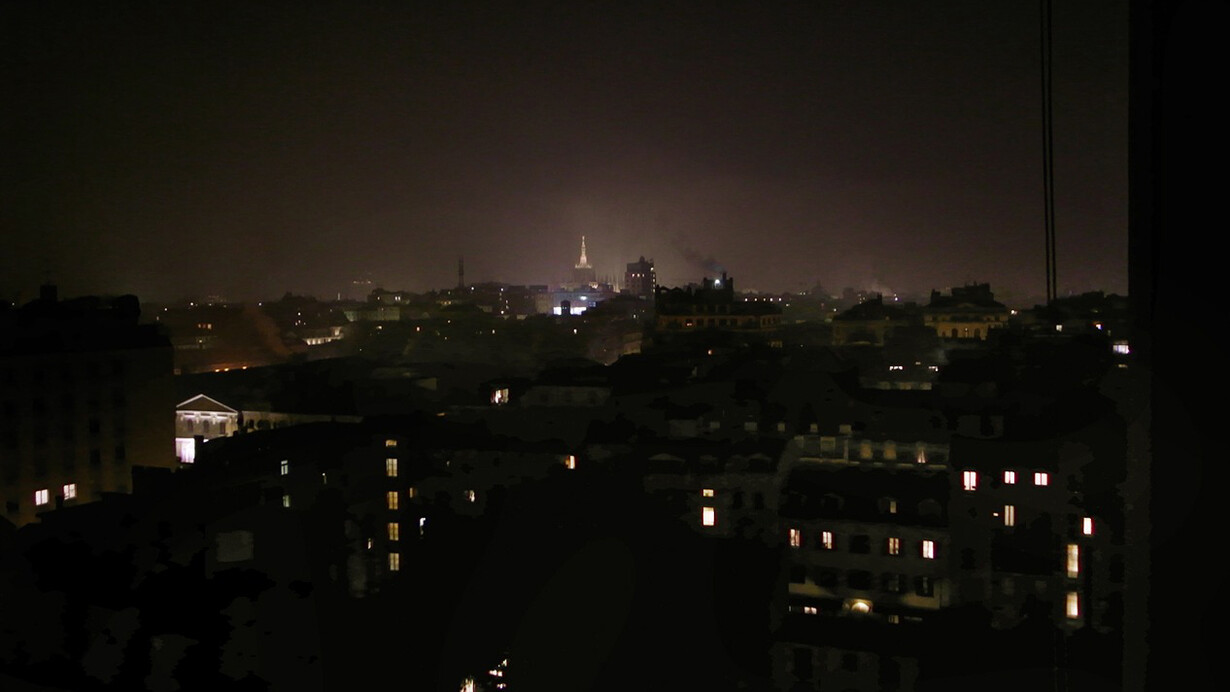
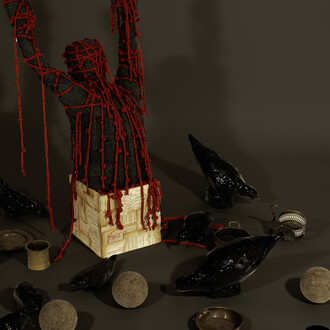
In photography, landscape never simply coincides with the place it depicts. Every image is the result of a choice, a point of view, an interpretative process that transforms territory into narrative and space into vision. Even when it appears to faithfully describe the world, photography always constructs a different reality: it selects, excludes, emphasizes and imagines.
The title of the exhibition, Nowhere land, refers precisely to this ambiguous condition. The places that appear in these images undoubtedly belong to the real world, yet at the same time they seem to escape any precise geographical location. They become mental territories, inner geographies, spaces suspended between experience and imagination.
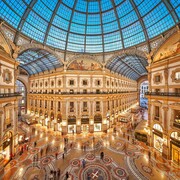
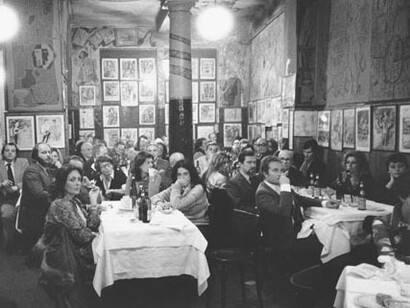
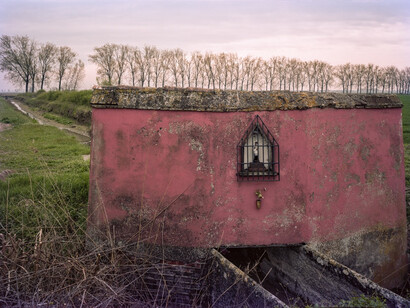
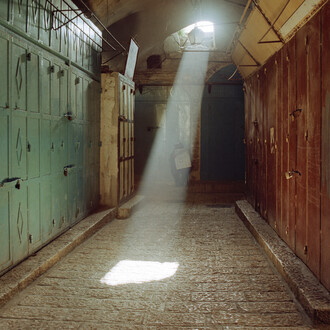
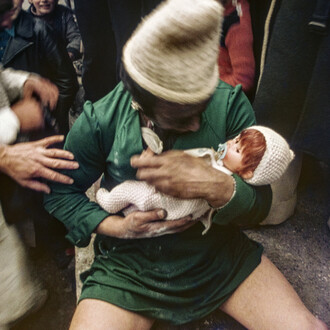
The exhibition brings together artists from different generations and sensibilities, offering a broad overview of the many directions contemporary landscape photography has taken. The celebrated urban views of Gabriele Basilico portray the city as a complex organism shaped by architecture, transformation and historical stratification. Uliano Lucas approaches the territory through a perspective rooted in reportage and social inquiry, reading within the landscape the traces of labour, migration and the profound changes that have marked contemporary Italy. George Tatge focuses on the relationship between history, memory and the identity of places, creating images in which the landscape becomes a visible archive of time.
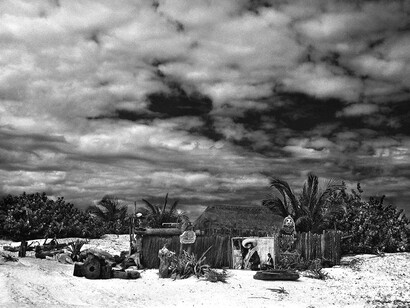
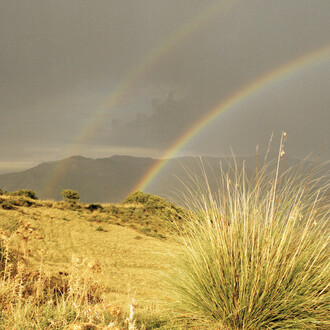
Lucio Gelsi moves through distant urban realities, from New York to Naples, capturing their tensions, geometries and unexpected visual correspondences. Antonio De Luca, by contrast, turns his gaze toward nature and open landscapes, revealing a suspended and contemplative dimension infused with a sensibility that at times recalls the Romantic tradition.
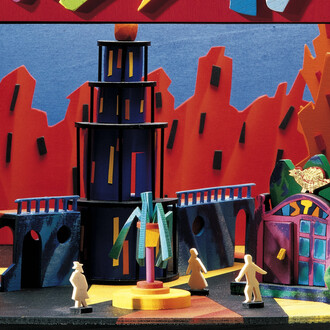
In other works, the landscape gradually moves away from documentary representation to become a mental construction and a vision. Rather than asking where these photographs were taken, Nowhere land invites us to consider how they shape our way of seeing. For the photographic landscape is not merely what lies before our eyes, but what emerges from the encounter between the world and the gaze of the observer.