English
 Español
 Français
 Deutsch
 Italiano
 Português
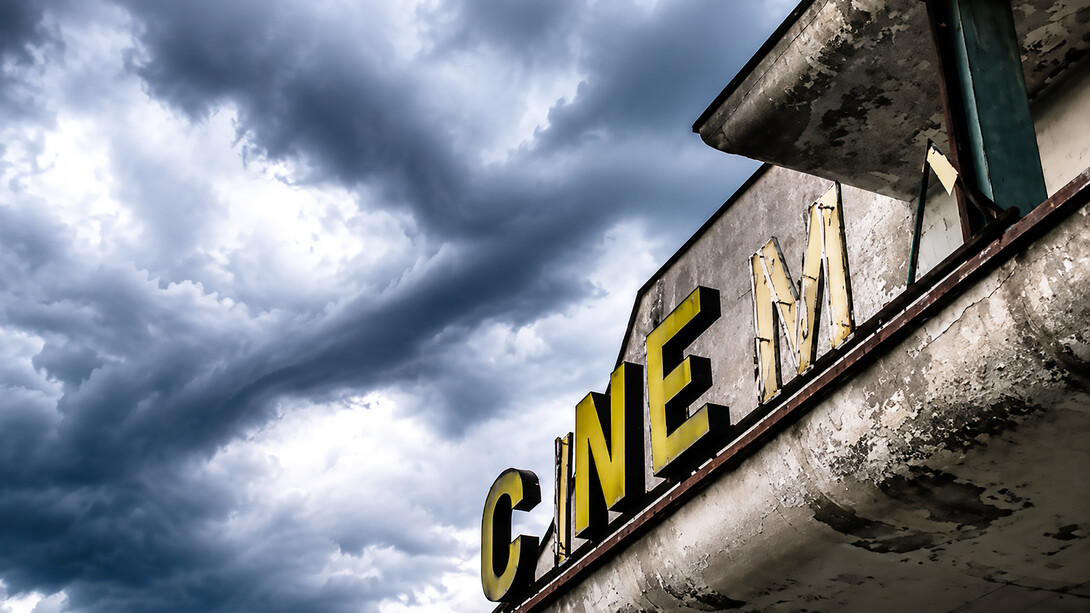
Reboots, remakes, and "reimaginings". We keep burying old stories and then buying tickets when they crawl out of the grave again. Can we even remember now if it was ever different?
There was actually a time when stories were allowed to end. Heroes rode into sunsets, monsters died dramatically, credits rolled, and culture collectively moved on to invent something new. Occasionally, a sequel appeared, usually because someone in Hollywood spotted money lying unattended on the floor, but even then, there was still a vague understanding that endings existed. That understanding is dead now. Probably rebooted twice already.
Modern entertainment has become a kind of intellectual necromancy. Every franchise eventually returns from the grave: older, shinier, slightly traumatised, and carrying a marketing campaign about "honouring the legacy". Nobody is allowed to stay dead anymore. Universes reset themselves. Actors are digitally de-aged until they look like expensive wax figures trapped inside unfinished emotional arcs. Entire studios operate like paranormal investigators desperately trying to contact the ghosts of successful IPs from twenty years ago.
Audiences complain constantly. People say Hollywood has run out of ideas and post dramatic tweets about “franchise fatigue". Then they quietly buy tickets opening weekend anyway. It became a cultural habit.
People no longer consume stories only to discover something new; they consume them to revisit older versions of themselves before things became complicated, expensive, and algorithmically exhausting.
From sequels to resurrection rituals
Older sequels used to ask a relatively straightforward question: what happens next? Modern franchise revivals ask something else entirely: Remember how this felt?
That’s the real product now, focused not on plot or innovation, but on emotional recognition.
Nostalgia has evolved from a side effect of pop culture into one of its primary business models. In unstable times, familiarity feels safer than discovery. Audiences exhausted by endless news cycles, algorithmic chaos, and the psychic damage of existing online no longer necessarily want surprises. They want reassurance disguised as entertainment. That’s why modern reboots often feel less interested in continuing stories than recreating emotional weather.
Top Gun: Maverick (Joseph Kosinski, 2022) wasn’t really about Maverick himself. It was about resurrecting the feeling of old blockbuster sincerity: clean heroism, practical spectacle, emotional clarity, and Tom Cruise running with the determination of a man personally trying to defeat streaming platforms through cardio alone. Which is maybe why the film worked so well. It wasn’t just nostalgia for old blockbusters. It was nostalgia for a version of masculinity that still believed competence could fix things.
Meanwhile, Ghostbusters: Afterlife (Jason Reitman, 2021) transformed nostalgia itself into the narrative. The film practically stages grief as franchise management. Memory becomes plot structure. Legacy becomes emotional currency.
And then there’s Twin Peaks: The Return (Showtime, 2017), which did something far stranger: it weaponised nostalgia instead of comforting audiences with it. David Lynch understood something terrifying: returning to old stories doesn’t necessarily feel warm. Sometimes it feels uncanny. Sometimes, revisiting the past only reminds you that time moved on without asking permission. That may be the most honest reboot ever made.
Resident Evil 4 Remake: nostalgia with better lighting
The modern remake formula is perfectly embodied by Resident Evil 4 from Capcom. The original game already existed. People loved it. Many considered it untouchable. Naturally, the industry touched it immediately.
What makes the remake fascinating is that it doesn’t actually preserve the original experience. It preserves the memory of the original experience. Those are not the same thing.
The controls are smoother. The horror atmosphere is darker. The pacing is tighter. Dialogue that sounded charmingly absurd in 2005 now sounds slightly less like someone translated it through three layers of emotional jet lag. Familiar scenes return, but reconstructed with modern cinematic polish. And audiences loved it because nostalgia no longer wants accuracy. It wants optimisation. Players say they want “faithful remakes", but what they often mean is the following:
“Give me the exact emotional feeling I had at fourteen, except remove all the annoying parts I would complain about now.”
Which is impossible, of course. But entertainment keeps trying anyway. That’s the strange paradox of reboot culture: we’re nostalgic not for the actual text, but for our relationship to it.
Prestige nostalgia and the return of scale
Then there’s Dune: Part Two, directed by Denis Villeneuve, which reveals another layer of the nostalgia machine.
Technically, Dune is not a conventional reboot in the Marvelised “please clap for the reference” sense. But it absolutely participates in modern nostalgia culture. What it resurrects isn’t just Frank Herbert’s world. It resurrects the idea of the cinematic epic itself.
Modern audiences are starving for scale. Not visual scale, Hollywood still produces explosions like it’s trying to intimidate God personally, but emotional and cultural scale. Stories that feel important, shared, and monumental.
Streaming fractured audience attention into tiny personalised bubbles. Dune pushed in the opposite direction. It insisted on a spectacle that demanded collective attention. Suddenly, people were leaving their apartments again to sit in giant dark rooms and stare at sand for three hours with complete sincerity and respect.
Sometimes we’re not nostalgic for the story itself. We’re nostalgic for when culture gathered around stories together instead of individually speed-running them while half-checking Slack notifications.
Cyberpunk: edgerunners and the redemption reboot
Some franchises don’t come back to continue the story. They come back to repair emotional damage. Cyberpunk: Edgerunners arrived after the disastrous launch of Cyberpunk 2077, a release so chaotic it briefly turned disappointment into an international multiplayer experience.
At that point, Night City wasn’t just a fictional location. It was a meme. A cautionary tale. A monument to overpromising. Then Edgerunners appeared and did something unexpectedly effective: it made people care again.
Instead of trying to overwrite the franchise’s failures, the anime leaned directly into the emotional tragedy already embedded inside the world. The city became mythic. The violence became intimate. The story hurt in ways the original launch never managed to. And suddenly, audiences weren’t talking about bugs anymore. They were making edits set to sad music and emotionally recovering from fictional cybernetic heartbreak.
Modern franchises don’t just reboot stories anymore. They reboot audience relationships.
The streaming economy of familiarity
Of course, none of this exists separately from economics. Streaming changed entertainment into a war for immediate recognition. Algorithms reward familiarity because familiarity reduces hesitation. A recognisable title cuts through digital noise faster than originality ever could.
That’s why franchise resurrection has accelerated so aggressively.
Wednesday (Netflix, 2022) revives Wednesday Addams for Gen Z audiences who somehow collectively decided gothic sarcasm was a lifestyle category instead of a personality trait. Alien: Romulus (Fede Alvarez, 2024) resurrects the industrial horror aesthetics of the Alien franchise for audiences too young to have experienced the originals in theatres but old enough to appreciate retro-futuristic trauma. House of the Dragon (HBO, 2022) exists partly because studios discovered audiences don’t necessarily need stories to continue. They just need to remain inside familiar worlds. The modern franchise model isn’t built around endings anymore. It’s built around keeping people inside familiar worlds for as long as possible.
The audience is absolutely complicit
In a culture obsessed with archiving itself, playlists, photo dumps, and “On This Day” memories, nostalgia stopped being retrospective. It became a daily interface.
Here’s the uncomfortable part: audiences encourage such reboots. People claim to want originality. They say the industry is creatively bankrupt. Then they spend opening weekend with characters they already know, in universes they already understand, watching emotional beats carefully engineered to trigger recognition, because familiarity is psychologically efficient.
Reboots lower emotional risk. They reduce decision fatigue. They offer the comfort of already being familiar with the rules. In a world where everything else feels unstable, recognisable stories serve as a form of emotional regulation. Nostalgia becomes infrastructure. Not just memory, but emotional architecture people return to when everything else feels unstable.
When nostalgia becomes haunting
At a certain point, franchise culture stops feeling celebratory and starts feeling haunted. Characters never leave. Stories never conclude. Intellectual property enters a state somewhere between immortality and undeath. Modern entertainment doesn’t archive stories anymore. It keeps them artificially alive.
Legacy sequels revive dead protagonists. Actors return decades later to replay younger versions of themselves. AI-assisted likeness preservation is already quietly entering conversations about the future of performance itself. Nothing disappears. It just gets remastered.
And maybe that’s why so many modern reboots feel slightly melancholic beneath the surface. They aren’t really about continuation. They’re about resistance to endings. But endings matter. They give stories shape. Without endings, narratives become brands, endlessly expandable and emotionally flattened by perpetual continuation. At some point, the franchise stops evolving and simply begins orbiting its own memory.
Why we still keep coming back
And yet people return anyway. Because nostalgia isn’t laziness, at least not entirely. It’s emotional repetition. Audiences revisit old franchises because they revisit older versions of themselves. Almost everyone has had that moment: a familiar soundtrack starts playing in a theatre, and suddenly your body reacts before your brain does.
The teenager who played Resident Evil 4. The kid who watched Star Wars on DVD repeatedly until the disc practically developed emotional trauma. The exhausted adult who suddenly feels sixteen again, hearing a familiar soundtrack in a dark theatre. Reboots sell memory almost more than story.
Every franchise revival promises the same fantasy: that people can return to something unchanged and somehow recover the feeling they had the first time. They never do, obviously.
The story changes. People change. Time changes the relationship whether you want it to or not. But for a few hours, sitting in a theatre or staring at a screen while another resurrected franchise crawls back into our lives, audiences get close enough to believe it might work. Maybe that’s why franchises never really die now. Not because studios can’t let go, but because people keep asking to feel something familiar again, even when they know it won’t hit the same way twice.