English
 Español
 Français
 Deutsch
 Italiano
 Português
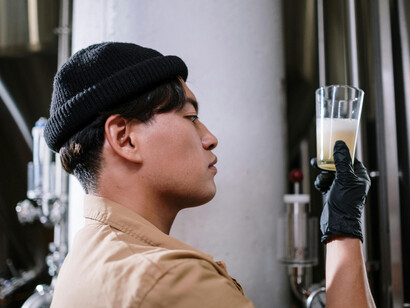
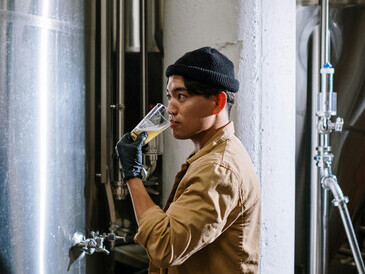
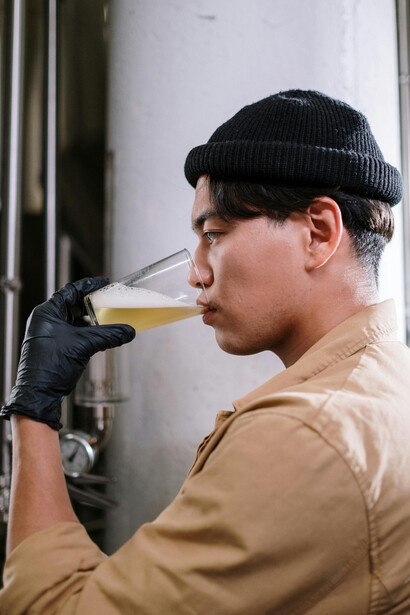
Sustainability is brewing. In a world increasingly shaped by climate concerns, resource scarcity, and evolving consumer values, the beer and spirits industries are undergoing a profound transformation. Where once tradition reigned supreme, science and environmental stewardship are now gaining ground, changing not just how alcohol is made—but why, with what, and at what cost to the planet.
The latest generation of brewers and distillers are fusing ancient craft with modern sustainability principles, turning waste into flavor, energy into circular systems, and carbon footprints into climate pledges. They are engineers, chemists, farmers, and flavor alchemists—and they’re rewriting the rules of what it means to produce a drink responsibly.
Welcome to the world of green brews, where sustainability isn’t a marketing slogan but a science-backed philosophy fermented into every bottle.
The environmental cost of a pint
Let’s begin with the facts. Brewing a single liter of beer traditionally consumes between 3 and 6 liters of water, depending on the production scale, efficiency, and cleaning systems in place. Distilling spirits, especially high-proof liquors, is even more energy- and water-intensive due to the need for repeated heating, cooling, and separation processes. Add in agriculture, packaging, and transportation, and you have a carbon-heavy beverage.
Barley, hops, grapes, and sugarcane—the base ingredients of alcohol—are also affected by climate change, soil degradation, and monoculture farming. The environmental impact of conventional alcohol production spans across:
Water usage and wastewater discharge.
CO₂ emissions from fermentation and energy use.
Food waste from spent grains and residues.
Packaging waste and glass production energy.
Chemical inputs in agriculture.
Yet amid these challenges, innovators in the industry are asking, Can we make a cleaner, more circular drink without sacrificing flavor? The answer is increasingly yes.
Biova project: turning bread into beer in Turin
One of the most compelling European case studies is unfolding in Turin, Italy, where the Biova Project has found a delicious solution to two pressing problems: food waste and overreliance on raw materials. Collaborating with local bakeries, the startup collects unsold bread—which accounts for nearly 13% of food waste in Italy—and transforms it into craft beer.
How does it work?
Biova replaces up to 30% of the traditional malted barley in a beer recipe with dried and milled leftover bread. The starches in the bread are enzymatically broken down into fermentable sugars, just as barley would be, and then fermented with yeast. The result is a full-bodied, lightly toasted beer that saves up to 40 kg of bread for every 150 L batch brewed.
More than a curiosity, Biova demonstrates a scientifically sound circular economy model, where waste is treated as a resource and quality is never compromised.
Brewing in circles: the rise of closed-loop systems
A defining feature of sustainable alcohol production is the shift from linear to circular systems. In traditional models, inputs (grain, water, energy) are used once, and outputs (spent grain, CO₂, wastewater) are discarded or minimally reused. In a circular approach, each output is repurposed to reduce waste and improve efficiency.
Some examples from the industry:
Spent grain as superfood or fuel
One of brewing’s biggest byproducts, spent grain, is rich in fiber and protein. Some breweries are now selling or donating it for:
Animal feed.
Baking flour.
Protein snacks.
Biochar and compost.
Biogas energy production.
At scale, spent grain can even become feedstock for bioplastics or edible packaging—a booming area of food tech innovation.
CO₂ capture and reuse
Fermentation releases CO₂, but many sustainable breweries now capture it onsite for use in carbonating future beer batches or for use in beverage canning lines, replacing industrial CO₂ sourced from fossil fuels.
Water recovery systems
Breweries like Carlsberg and Heineken have invested in membrane filtration and reverse osmosis systems to reclaim water from brewing and cleaning processes. This “rebrew” water can be reused safely, drastically cutting down freshwater use in water-stressed regions.
Distilling change: sustainable spirits on the rise
Distilleries, often smaller in scale than breweries but more energy-intensive, are also innovating. Closed-loop chillers, solar-powered heating systems, and waste-heat recovery technologies are becoming more common.
Case in point: arbikie distillery, Scotland
This family-run, field-to-bottle distillery produces climate-positive spirits using regenerative agriculture, native crops like peas (for gin base alcohol), and on-site wind and solar power. Their Nàdar Gin is made from peas—a nitrogen-fixing crop that reduces the need for fertilizer. According to carbon analyses, Nàdar removes more CO₂ from the atmosphere than it emits.
By integrating regenerative farming practices and sustainable distillation, Arbikie offers a glimpse into a low-impact future for spirits, built on science and terroir.
Green energy, golden flavor
Powering alcohol production with fossil fuels is one of the biggest contributors to the industry’s carbon footprint. Sustainable breweries are investing in renewable energy sources like
Solar thermal arrays for heating brewing water.
Biogas digesters that turn brewing waste into fuel.
Geothermal systems for climate control.
Smart energy meters to optimize usage.
Science is helping producers measure their impact through Life Cycle Assessments (LCA) and Carbon Trust certifications, ensuring that sustainability isn’t just a buzzword but a data-driven commitment.
Eco-flavors: upcycling and local sourcing
Sustainability is also influencing what goes into the bottle. Instead of relying on imported hops or exotic botanicals, more brewers and distillers are working with:
Wild yeasts native to their fermentation rooms or local forests.
Seasonal, foraged ingredients like elderflower, nettle, and spruce tips.
Fruit scraps from juice producers or farms.
Herbs grown in permaculture gardens near their facilities.
This not only reduces transportation emissions but also creates truly terroir-driven flavors, rooted in place and season. Beer and spirits are becoming more like wine—expressions of local climate, soil, and ecosystem stewardship.
The consumer shift and market value
Sustainability isn’t just good ethics—it’s good business. A 2024 global report by IWSR found that over 65% of Gen Z and Millennial consumers are willing to pay more for alcohol brands that demonstrate genuine environmental commitments. Eco-labels, carbon-neutral certifications, and storytelling around climate action are increasingly influencing purchasing decisions.
Craft beer sales that emphasize sustainability have outpaced traditional craft in growth, while low-impact spirits are carving out new categories altogether—from organic vermouths to zero-waste gin.
Retailers and distributors are catching on, too. Whole Foods, Carrefour, and Coop are expanding shelf space for sustainable alcohol, driving demand for greener supply chains.
What’s next for green brews?
Looking ahead, the future of sustainable brewing and distilling will likely include:
Blockchain traceability for ingredient origins and carbon impact.
Waterless brewing and fermentation technologies.
Carbon-negative spirits using captured CO₂ as feedstock.
AI-driven brewing efficiencies that reduce energy use.
Startups like EcoSpirits, which offer refillable spirit containers for bars and restaurants, are proving that even packaging and logistics can be reinvented with the planet in mind.
Conclusion: raising the bar (and the glass)
What we drink is changing—both in composition and consequence. The rise of sustainable brewing and distilling reflects a deeper cultural shift: a move from indulgence to intention, from extractive systems to regenerative ones.
Science, once seen as separate from artisanal craft, is now its greatest ally. Whether it’s capturing CO₂ in a fermentation tank, fermenting bread into beer, or powering stills with sunlight, sustainability is now a defining ingredient.
So, the next time you sip a cold one or pour a smoky dram, consider the story inside the glass. If it's brewed or distilled with care for the earth, that’s a flavor worth savoring.
Cheers—to a future where every bottle counts.