English
 Español
 Français
 Deutsch
 Italiano
 Português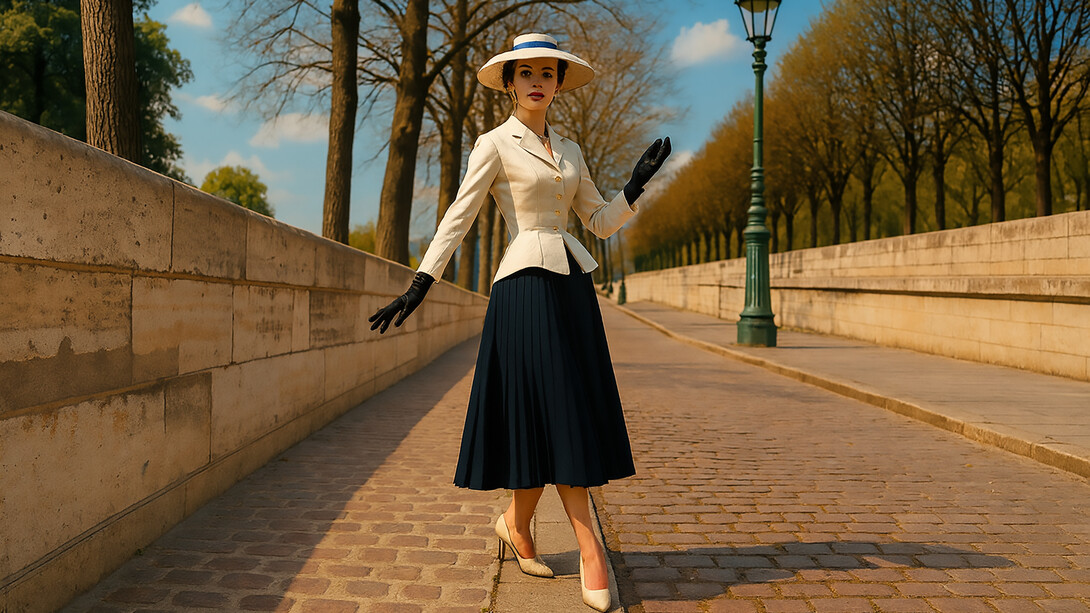
In the years following the World Wars, clothing was not merely a statement of taste—it was a lifeline. For millions of men and women returning from battlefields scarred, disfigured, or amputated, fashion became a form of survival, dignity, and social reintegration. Millions of individuals carried visible injuries—missing limbs, burns, scars, and facial disfigurements. Beyond the physical toll, these wounds carried social weight. In societies that prized physical wholeness, being visibly “marked” by war could lead to exclusion or marginalization.
In this context, fashion was more than decoration—it was an armor. It concealed, softened, and even restored, allowing individuals to navigate a world eager for normality but reluctant to confront the human cost of war. From carefully groomed mustaches hiding scars to gloves that became everyday essentials, post-war style helped people reclaim not just appearances but lives.
Following World War I, many returning soldiers faced the dual challenge of coping with physical injuries and navigating social scrutiny. Facial scars, missing limbs, and other visible wounds often drew stares and pity in public spaces. In response, clothing and grooming became essential tools of concealment and social reintegration.
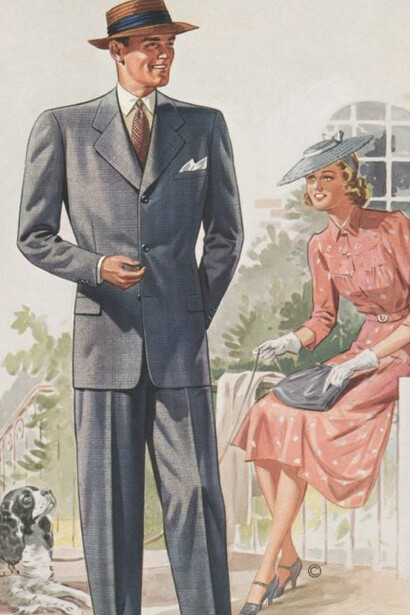
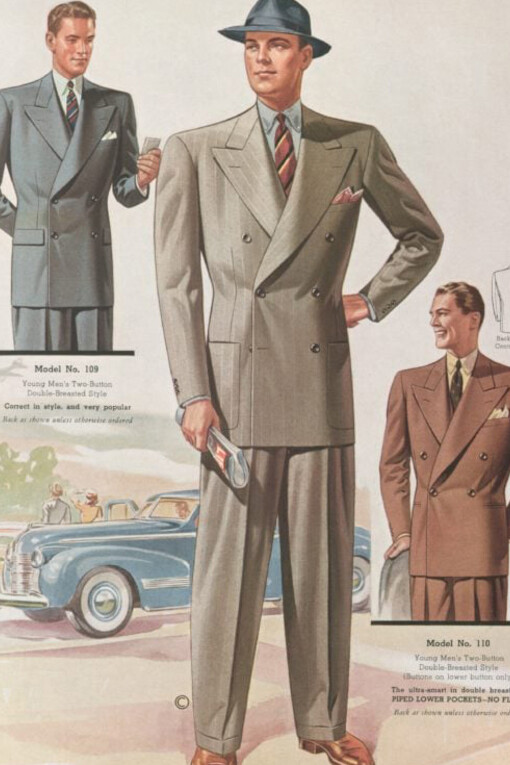
Men used well-tailored suits, carefully trimmed mustaches, and strategically positioned hats not merely as style choices, but as deliberate strategies to manage appearance and restore dignity. Mustaches and beards, which had fallen out of fashion in the early 20th century, resurged as socially accepted shields, covering scars and softening facial disfigurements. Even men without injuries adopted the trend, normalizing facial hair and reducing the visibility of those who bore the marks of war.
Just as men adapted grooming and tailored suits to conceal wounds, women innovated with accessories and clothing that balanced concealment with elegance, creating parallel strategies across genders for navigating post-war society. Veils, high collars, tailored jackets, and silk scarves allowed women to hide burns, scars, or surgical marks while maintaining a sense of style. Broad-brimmed hats cast shadows that softened facial asymmetries, and gloves discreetly covered hand injuries or the use of prosthetics. These choices transformed necessity into elegance, enabling women to reclaim social life, assert femininity, and navigate public spaces without being defined by their wounds.
Gloves became an emblematic post-war accessory. Once purely associated with refinement, they took on practical significance: covering hand injuries, disguising amputations, and shielding prosthetic limbs. Women embraced gloves as part of Dior’s “New Look,” blending utility with glamour, while men often wore leather or woolen gloves to mask scars from labor or wartime wounds. In every case, gloves made concealment socially acceptable, turning survival into style.
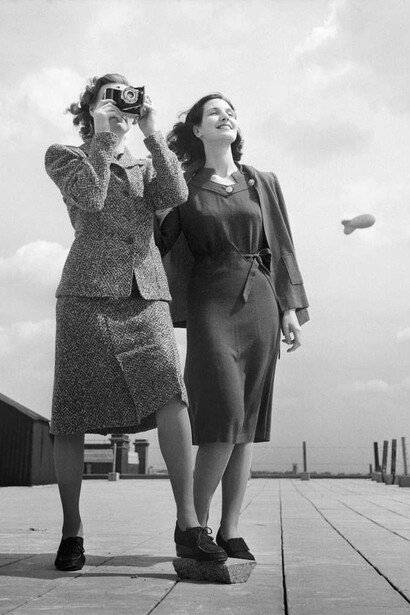
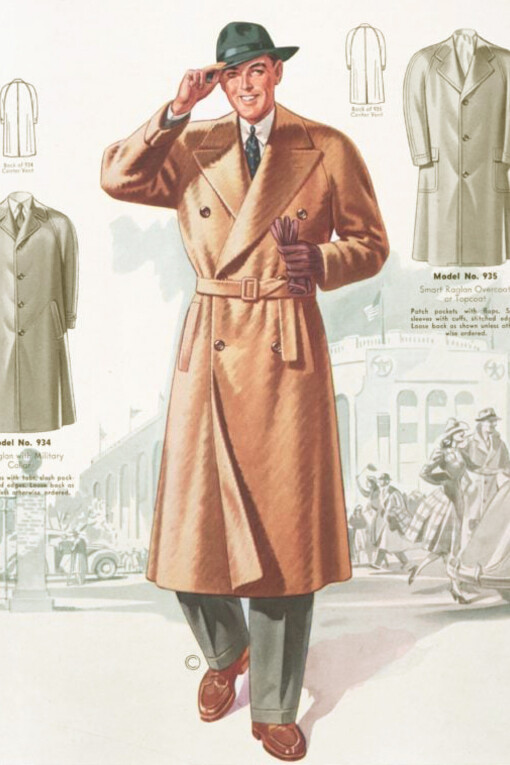
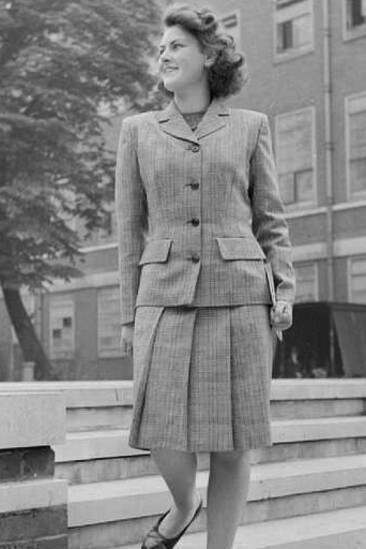
Tailors were unsung heroes of post-war recovery. Jackets were padded or stitched to mimic missing arms. Wide-legged trousers and long coats concealed prosthetic legs. Women’s long skirts, stockings, and gloves allowed them to navigate public life without attracting unwanted attention. Clothing was restorative. It offered a sense of control, helping wearers move confidently through a society that prized appearances.
Makeup played a transformative role as well. Powders, rouges, and early foundations softened scars, burns, and graft marks. Brands like Max Factor adapted theatrical makeup for everyday use, helping individuals conceal discoloration while projecting vitality. In a sense, cosmetics blurred the line between vanity and restoration, helping individuals mask physical trauma while asserting identity.
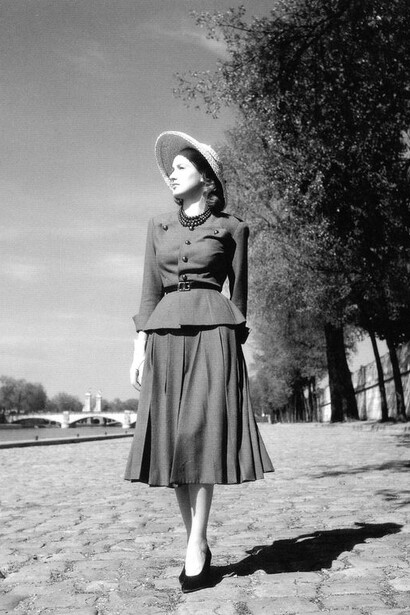
Couturiers understood these needs. Christian Dior’s 1947 “New Look,” with its cinched waists, voluminous skirts, structured shoulders, and gloves, offered silhouettes that discreetly hid prosthetics, braces, or scars. Men’s tailored suits balanced asymmetries, giving veterans a sense of dignity and self-possession. Clothing became a quiet prosthesis, reshaping both body and perception.
The true power of post-war fashion lay in its psychological impact. Wearing a tailored suit, adjusting a veil, or sliding on a pair of gloves allowed individuals to reclaim agency. It offered choices: what to reveal, what to hide, and how to present oneself to the world. Fashion transformed victims of war into participants in society, providing both confidence and a semblance of normality.
Beyond individual strategies, post-war fashion also shaped societal attitudes toward injury and disability. As mustaches, veils, and gloves became mainstream, they normalized the presence of visible scars and prosthetics in public life. What had once been a source of stigma subtly became part of everyday aesthetics, allowing wounded individuals to participate more fully in social, professional, and cultural spheres.
Fashion functioned as a social mediator, balancing empathy with discretion, and enabling communities to confront the aftermath of war without overt confrontation. Magazines and advertisements reinforced these trends, presenting gloves, hats, and tailored suits as not only stylish but also socially necessary for reintegration.
Moreover, the period saw the beginnings of mass-produced adaptive garments. Ready-to-wear clothing increasingly incorporated practical elements for those with altered bodies, from adjustable fastenings to wider silhouettes that accommodated prosthetics. This integration of functionality and style not only met the immediate needs of returning soldiers and civilians but also laid the groundwork for later adaptive fashion movements, which would celebrate difference rather than conceal it. In this sense, post-war fashion not only restored dignity for individuals but also contributed to a gradual cultural shift toward inclusion and acceptance.
While the immediate post-war decades emphasized discretion, they laid the foundation for a later shift toward visibility. Advocacy and adaptive fashion movements eventually celebrated difference rather than hiding it. Yet in the 1940s and 1950s, fashion’s subtle influence was crucial. Mustaches, gloves, veils, and tailored coats allowed wounded men and women to re-enter society with dignity at a time when acceptance was rare.
Post-war fashion was far more than a return to elegance. It was a tool of survival and a quiet form of restoration. Through carefully crafted garments, accessories, and cosmetics, individuals could mask scars, hide prosthetics, and navigate social life with confidence. Mustaches, gloves, veils, and tailored silhouettes were not mere trends—they were instruments of resilience.
Fashion in this era demonstrates that style is deeply human: it adapts, protects, and empowers. It is not just about beauty but about survival, dignity, and the desire to be seen as whole. In the shadow of war, fashion became both armor and expression—a testament to the enduring creativity and resilience of those rebuilding their lives.