English
 Español
 Français
 Deutsch
 Italiano
 Português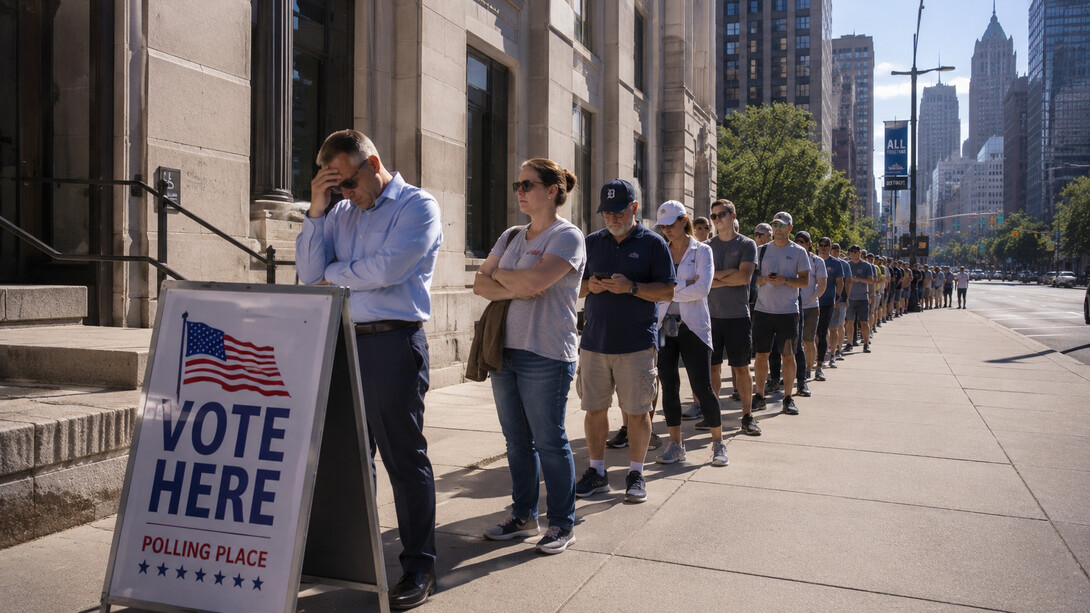
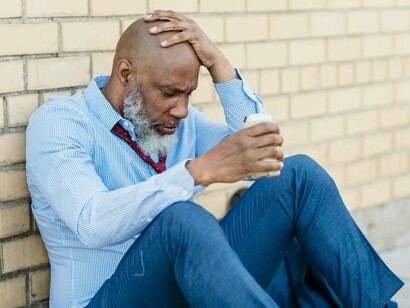
A global wave of exhaustion is reshaping democracies and forcing citizens to question whether voting still means anything.
The age of the tired voter
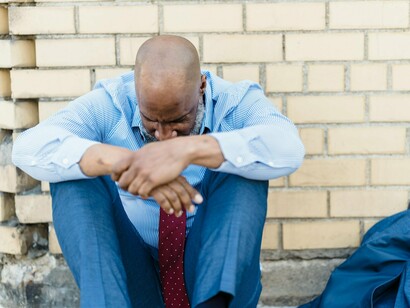
Across the world, people are exhausted emotionally, mentally, and politically. Elections used to be moments of hope, symbolic resets, and grand promises of a better tomorrow. Today? They feel like a recurring subscription nobody remembers signing up for.
Political fatigue has become global. From Nairobi to Paris, Washington to Accra, and New Delhi to London, people are turning up at polling stations with the same energy they bring to a dentist appointment: necessary but overwhelmingly underwhelmed.
You hear it everywhere:
“They’re all the same.”
“Nothing ever changes.”
“Why vote if the problems stay the same?”
This article explores why global citizens are exhausted, how we got here, and what this fatigue means for democracy, leadership, and the future of political participation.
The rise of global political exhaustion
Political fatigue isn’t apathy.
It’s burnout, the kind that comes from constantly caring and repeatedly being disappointed. Three major factors feed this:
Too many elections, too little change
In many countries, election cycles are short, frequent, and emotionally draining. Citizens are asked to “Believe” every few years, only to discover familiar corruption, sluggish reforms, and recycled campaign promises.
It feels like watching the same TV show rebooted with different actors.
Overexposure to political drama
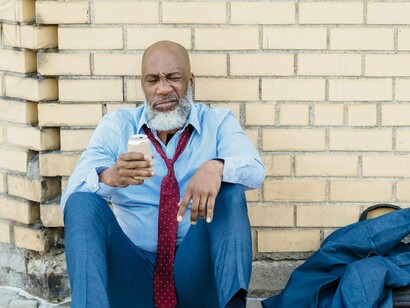
In the past, politics lived on TV news. Today it lives on your phone every day, every hour, every minute.
Social media amplifies outrage:
- Scandals go viral in seconds.
- Propaganda spreads faster than facts.
- Politicians perform for clicks, not citizens.
People are tired, not because they don’t care, but because they’ve been forced to care every single day.
Leaders who don’t inspire
Around the world, political leaders sound predictable:
- Empty speeches
- Recycled slogans
- Blame games
- Zero accountability.
When the public keeps hoping for visionaries but keeps getting managers of mediocrity, fatigue is inevitable.
Why young voters are the most tired
Young people should be the energetic heartbeat of politics. Instead, they are the most fatigued. Why?
A feeling of being betrayed
Youth globally face:
- High unemployment
- Rising cost of living
- Unaffordable housing
- Limited economic mobility
- Overwhelming debt.
Yet political debate rarely addresses their real struggles.
The economy they inherited feels rigged
Gen Z and millennials feel they work harder but earn less. They feel they need luck, connections and inherited wealth to access once-basic opportunities. Politics does not feel like a solution. It feels like a distant argument among wealthy people about problems they will never personally experience.
They see through the noise
Having grown up online, young people can detect:
- Staged PR
- Fake tears
- Scripted empathy
- Algorithm-friendly soundbites.
The traditional political theatre no longer impresses them.
The global cost of political fatigue
Political fatigue is not harmless. It affects the world in three powerful ways:
Falling voter turnout
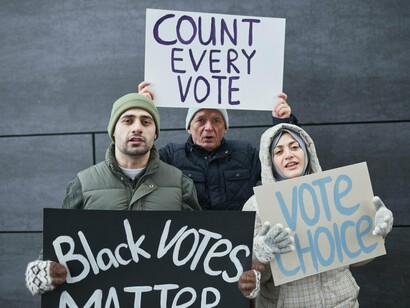
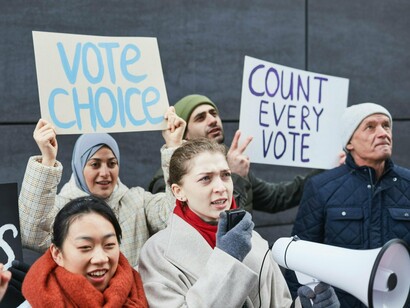
When citizens don’t believe voting matters, democracy weakens.
Countries with historically strong democracies like the U.S., U.K., and France have seen noticeable declines in turnout, especially among young voters.
The rise of fringe or extreme candidates
When people feel ignored, they choose outsiders not because the outside is great but because they represent rebellion against the status quo. This trend is visible across Europe, Latin America, Africa and Asia. Extremism thrives in exhausted societies.
Citizens withdraw from civic life
When people unplug, corruption thrives. Politicians operate quietly. Institutions decay unnoticed.
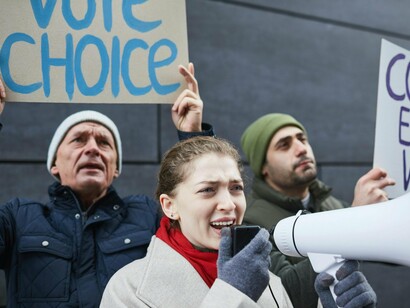
Democracy depends on participation; when participation fades, power shifts dangerously.
Why it feels like nothing changes
Political fatigue is rooted in one painful truth: The problems people face stay the same, no matter who wins.
Housing remains unaffordable. Food prices keep rising. Education costs continue climbing. Jobs are scarce or low-paying. Corruption remains stubbornly alive. Infrastructure develops slowly.
If every election feels like a remix of the same frustration, voters begin to question the entire system.
The role of media and social media
Before social media, politics had breathing room. Today, everything is instant, exaggerated, and endless.
- Outrage as entertainment
News platforms benefit from political drama; anger gets clicks.
- Information overload
People drown in:
- Fake news
- Half-truths
- Conspiracy theories
- Opinion disguised as fact
It becomes emotionally draining to stay informed.
- Politicians become influencers
Instead of governing, many spend time crafting viral moments. The line between leadership and entertainment has become increasingly blurred, and citizens are growing weary of it.
African political fatigue: a special case
African political fatigue has its own flavour, a mix of hope, hardship, and history.
Long-standing corruption: Citizens have watched corruption scandals repeat for decades with little accountability.
Election seasons that last months: Campaigns are long, intense, and emotionally consuming.
Ethnic politics: People often feel exhausted by division, tension, and loyalty-based voting rather than policy-based voting.
Economic disappointment: Despite natural resources, Africa remains economically strained due to inflation, unemployment, a high cost of living and weak currencies.
When daily survival is exhausting, politics becomes background noise.
Political fatigue is real. It is global. It is growing.
But it is also an invitation. An invitation to redefine leadership. An invitation to reinvent democracy. An invitation to create systems that listen, deliver, and evolve.
People are not tired of caring. They are tired of caring alone.
And perhaps political fatigue is not a sign of collapse but a sign that citizens are waking up, demanding better, and refusing to settle for recycled disappointment.
The world is exhausted, but maybe that exhaustion is the beginning of something new.