English
 Español
 Français
 Deutsch
 Italiano
 Português
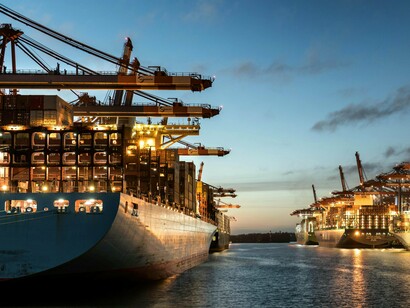
Nowadays, conflict skips straight past battlefields drawn in textbooks. Instead, it curls around ports where goods float on ships, lingers near buildings that make tiny computer brains, sneaks into how cash jumps between nations, and slips inside silent strings of logic that teach machines what to think. Shifts in control unfold while soldiers stand still. Nations stretch their reach not by explosions but by owning pieces of global trade. Fences rise where handshakes used to be. Still, deals find a way through cracks.
Funny thing – distance shrinks even when trust does not. Movement never stops, though pressure builds beneath the surface. Bumps along the way? Sure, but a room remains up ahead. Movement hums through global changes, restless and shifting. Not sprinting toward quick wins anymore – focus sticks to staying safe and building stability. That once-unified marketplace now breaks apart, pulled apart by allegiance, the tools people pick, and trust levels. Tending to needs drives this new version harder than cutting costs ever managed, stirring different thoughts everywhere.
Efficiency balances risk oversight
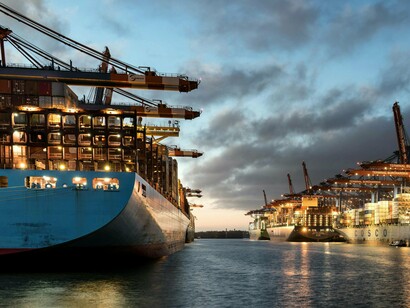
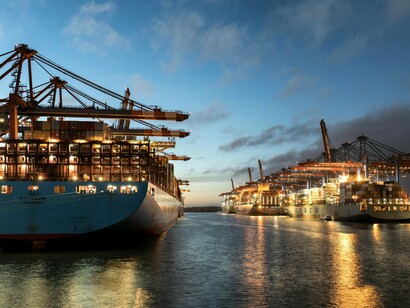
Time passed. Globalisation rolled forward on a single thought: get stuff done faster, cheaper, and more smoothly. Goods poured from Chinese factories. Meanwhile, minds in Europe shaped ideas for future products. People across the United States opened their wallets for nearly every item sent their way.
Work is scattered worldwide. Each task settled where it could make long supply lines pay off best. A virus changed motion. Movement patterns flipped without warning. Many stood still when change arrived. Unexpected? Absolutely. Empty docks sit silent. Medicine piles up in storage, held hostage by political chess moves among countries. Leaders woke sharply to a hard truth – savings mean nothing if deliveries collapse overnight.
The fighting close to Kyiv tore open the curtain. It's suddenly clear: when one pipeline feeds countless heaters, risk spreads wide. Today, decision-makers in every field care less about shrinking budgets. Their minds turn toward steady currents, working systems. Imagine shipments shifting direction, guided not by lowest cost but by who stands reliably beside whom. Miles between places mean more than space these days – they shape the choices nations make. In spots where engines run, vessels move, lights flash on hardware, and decisions focus on surviving trouble without falling apart.
The age of economic warfare
These days, trade taxes, restrictions, and shipping controls act less about economics and more like weapons in a broader context. When Washington slapped duties on Chinese imports while halting advanced chip exports, it wasn’t just defending industries – it signalled reach over technology dominance. Watching closely, Brussels started shaping environmental standards that double as quiet barriers against foreign competition. Meanwhile, governments in Japan and India leaned on partnerships, rerouting production networks where loyalty matters more than low prices.
Power shapes trade far beyond old financial logic. It could be useful to see how financial levers steer modern political outcomes. Blocking Russian assets, along with freezing its access to SWIFT, revealed influence that spreads without gunfire. Banking channels carry weight quickly – much as armoured vehicles used to roll over frontiers. With changes piling up, monetary decisions and commerce barriers have taken centre stage instead of traditional negotiations.
The great chip war: silicon replaces oil
A small invention hums behind modern life – the microchip – guiding quiet struggles among countries. These circuits get likened to crude oil, though they’re crafted in clean rooms instead of pulled from wells, powering devices, factories, and even defence systems. Unlike petroleum, spread wide through nature, nearly all advanced versions emerge from only two spots: one island nation and a neighbour nearby. Such concentration moves influence, letting these regions hold unusual sway far beyond their size. For that reason, the United States treats access to semiconductors as vital – less about money and more about survival. Yet speed marked America’s move against high-end chip sales and gear heading to China.
On the sidelines, nations such as the Netherlands and Japan feel soft but steady pushes to join in. Cash began flooding domestic plants once lawmakers OK’d the CHIPS bill. At the same time, Beijing throws big money at carving out a separate tech route. Their fear lingers – reliance on foreign parts could turn risky down the line. Out there in Europe, officials are backing their own plan – the EU Chips Act – refusing to slip behind in a race that keeps heating up. The balance of influence down the road might rest on small chips crafted continents away.
Rewiring the global supply chain
Lately, global trade patterns are changing in surprising directions. Step by step, production hubs show up increasingly in countries such as India, Vietnam, and Mexico rather than in China alone. Across Europe and parts of North America, officials invest heavily to revive local manufacturing, favouring partnerships built on trust over narrow financial gain. Such a shift could introduce difficulties that slipped past earlier forecasts.
What used to work feels less useful today. Now things cost more, and expenses climb. Large setups, once strong, split into local chunks. Global trade feels like it is turning a corner – reliable deliveries start to beat speed. Perhaps the core tension isn’t trade imbalances but control: who decides the terms and builds the benchmarks. Shaping rules for green power, digital safety, or how robots act could mean steering future economies. High-stakes pushes over microchips and data streams – they might just be battles to write next generations' global codes.
The Middle East navigating chance and danger
Now, while shifts sweep across nations, the Middle East rests at a crossroads – alive with possibility. Positioned between landmasses, fresh trade lanes could weave through Europe, Africa, and stretches of Asia in coming years. Heavy financial muscle, combined with vast energy resources, lets certain powers here shape global talks.
Notice how Gulf actors shift – they appear steps ahead. Consider Saudi Arabia: its future-focused blueprint channels funds into production sites and transit centres, aiming to attract firms seeking calm beyond turbulent zones. Over there, the UAE moves quietly – its place as a money centre is growing not because of luck but by staying active where world trades meet. Oman and then Qatar too are shifting – not fast, yet clear – in changing gas into energy while also leaning hard on sunlight and breeze for what comes next. Egypt? It rests near the Suez Canal – a lane so travelled it speaks before anyone does.
Strength sits there, unspoken. That edge may grow only if Cairo sharpens skills training, untangles how deals really happen, and links new plants straight to chains running deep into Arab lands and beyond. When lines blur and belief fades, what's built inside – step by step – could hold things upright even as the ground shakes.
Europe’s strategic dilemma
Europe dances on a tightrope these times, its choices bent by outside pulls more than most places feel they do. Hooked into American digital tools while shipping goods made in Chinese plants, balance feels thin. Fuel still pours in from desert oil fields – cut that off, movement halts. Distant battles murmur truths louder now, nearer than they once seemed. These days, going solo feels less risky than before. What used to flow freely now makes officials pause.
Projects appear with labels such as “Strategic Sovereignty,” pushing vital tech closer to home soil. Think batteries, processors, intelligent systems – all meant to rise within EU borders. Yet when budgets shrink, unity thins. Take Germany: it's tied tightly to America yet dependent on Chinese buyers for its exports. Yet here, Paris talks independence while banking on shared cash. Further down, southern hubs ponder trade barriers to keep home plants afloat. Perhaps power hides not in guns but in silent sway via norms that shape global moves. Standards drafted in European rooms tend to spread wide without fanfare. This hidden touch – the Brussels effect – could endure longer than conquests ever did.
Events possible in late 2026
Midway through the years now passing, choices begin to show themselves. Not guaranteed, one path rises anyway – quiet signals lean toward it. Elsewhere, movement between places shapes a second course. At first sight, another seems faint – still, it grows stronger the longer you look.
Still, Beijing moves. Washington matches step for step. Every shift tightens the squeeze, even without big statements. Taxes on goods rise one by one. Penalties come soon after. Back-to-back actions stack up. Firms begin to wonder where to go next. Far from following orders, pressure changes where money flows. When routes falter, price spikes follow close behind. Habits reshape in silence, no warnings issued. Groups bond gradually, much like sediment under steady force. The short-lived may stretch on, catching everyone off guard. A single quiet choice now draws lines on what comes next. Change sticks without speeches or signs; it has arrived.
Talks between countries have brought brief halts to trade clashes – a tariff lifted in one place, permission granted for tech sharing somewhere else. Quiet times emerge, but beneath them global markets still move away from each other. On the outside, calm appears present, though fragments of the old setup steadily slide into isolated corners. Peace may not be forming; it could simply be a pause mid-struggle.
A quiet draught drapes itself across everything, light like frost on glass. Folks look drained, done with yelling, hoping instead for murmurs between cups of coffee. Still beneath gentle phrases, borders form – slow, careful lines drawn around money and trade. Strength slips sideways these days, choosing distance over drama. Midway through 2026, the stillness could linger – quiet above, broken beneath. Tiredness dressed as peace may be what we’re really seeing. Though things seem settled now, tension hums below without noise. This break might not heal anything, only delay what's been building. A silent year does not mean a safe one ahead.
The new logic of power
These days, strength in the economy doesn’t come from noisy factories outdoing each other. Resilience matters more – handling shocks without fumbling basic needs. Imagine keeping balance mid-stumble, supply lines intact. That kind of steady presence acts like invisible shielding. Influence appears less in scale and more in subtle actions offstage. Not through big headlines, but in decisions shaping homegrown tools, control over data flows, and unseen repositioning among partners. What once showed up on scales now hums beneath the skin.
Before systems hold steady, choices stack out of sight. Power hides beyond soil and metal frames. Change slips in where code quietly steers. Not just armour moves force; speed in circuits does too. A single rule can shape a place more than any highway ever could. While old empires moved on foot beneath banners, today's influence slips through airwaves without sound. What runs behind the scenes often outweighs what stands in front.
The world redrawn
At this moment, ties between nations keep changing shape rather than breaking apart. What counts most is belief in one another, not how much business gets done together. While countries stay linked overall, their alliances lean more on common ground than profit alone. Hidden tensions surface within these moving groups, out of public view. Influence still exists – just scattered differently - as lesser-known states begin to act with new boldness.
Hungary, Poland, Egypt, or Kuwait – these spots can shift things without drawing attention. Moving quickly on factories and solar networks, plus how data is handled, along with adaptable policies, opens quite a few leads. Power today comes from moving fast, hitting exact points, and staying out of sight till the moment arrives. Loud signals aren’t always part of change. Grains often thrive where it’s calm, far from noise. These days, economic systems double as weapons. Holding firm during turmoil counts for more than wealth once did.
Strength now shows not in conquests but in standing tall after hits, recovering, and then adapting without snapping. Victory may favour not the controllers but instead those who live through disorder, rebuild fragments, and transform unseen. Power hides less in crushing rivals, more in weathering quakes and reappearing changed. As surroundings twist rapidly, silent endurance slowly beats roaring authority.