English
 Español
 Français
 Deutsch
 Italiano
 Português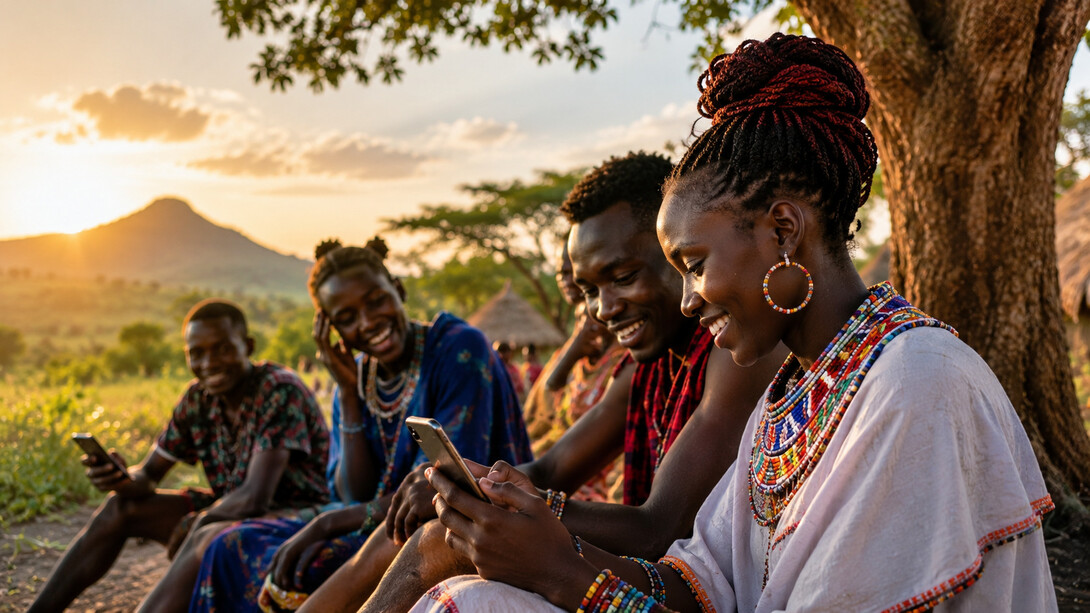
The digital current flowing through East Africa today is silent and invisible and travels at the speed of light, stitching the world’s youngest nation, South Sudan, and its regional neighbours into a global tapestry. As we navigate the complexities of 2026, the transition from oral traditions and communal gatherings under the mahogany trees to the glowing screens of smartphones marks the most profound cultural shift in our history.
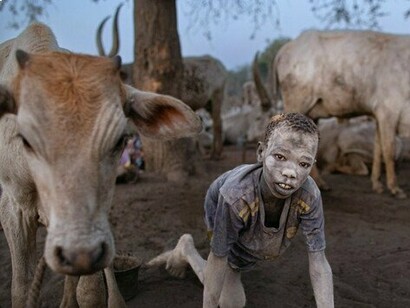
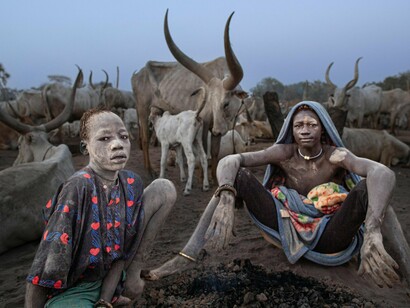
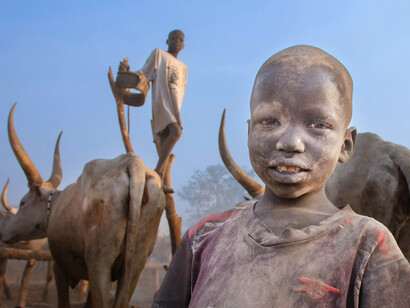
Across the rolling hills of Rwanda, the bustling tech hubs of Nairobi, the ancient trading coasts of Tanzania, and the vast, sun-drenched expanses of the Nile Basin, technology is no longer an external force; it is the new oxygen of East African life. For generations, the region’s culture was anchored in the tangible—the lowing of cattle, the intricate patterns of beadwork, the rhythmic pulse of the dalluka drum, and the sacred authority of the elders. Today, that anchor is being tested by a relentless digital tide that has collapsed the "tyranny of distance" but replaced it with a complex, often unregulated, psychological and social landscape.
This transformation begins with the architecture of connection. For a nation like South Sudan, which has one of the largest and most politically active diasporas in the world, technology has become a digital umbilical cord. Not long ago, a message from Juba to a remote cattle camp in Jonglei or a refugee settlement in northern Uganda could take days, travelling by foot or over rugged, impassable roads.
Today, a WhatsApp notification bridges that gap in seconds. This democratisation of information has fostered a "transnational identity". Young East Africans are no longer confined to the perspectives of their immediate surroundings; they are global citizens who can simultaneously appreciate traditional Dinka wrestling or Acholi dances while following the latest trends in global fashion and decentralised finance. This exposure has spurred a creative explosion, with Juba-based designers using Instagram to market modern interpretations of traditional attire and filmmakers documenting the resilience of their people, ensuring our stories are told by us, for us.
However, this digital hearth burns with an erratic flame. While it illuminates new opportunities, it is also charring the very social fabric that has held these communities together for centuries. In traditional East African societies, the elder was the repository of wisdom—the living archive of history, law, and morality. The "Digital Rift" has created a profound generational chasm where this authority is being bypassed.
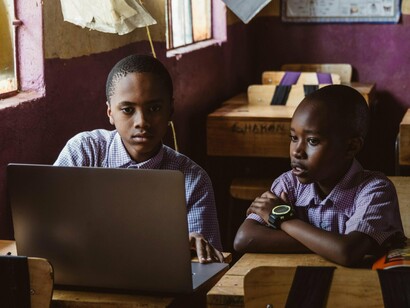
The youth, who make up over 70% of the regional population, are increasingly "Google-educated", leading to a sense of alienation for the older generation. This shift often prioritises a curated, Western-influenced individualism over the communal values of Ubuntu or Undugu (brotherhood). The communal "fire" where stories were told is being replaced by the blue light of the smartphone, where the listener is no longer part of a village circle but an isolated node in a global network.
In South Sudan, this transition is particularly volatile due to significantly limited literacy rates. When high-powered technology is introduced to a society with low formal education and deep-seated historical trauma, the democratisation of information can quickly transform into the weaponisation of the unlettered. In a landscape where many users lack the digital literacy to discern fact from fabrication, social media has been co-opted as a potent political tool.
Political factions and "keyboard warriors" utilise platforms like Facebook and WhatsApp to bypass traditional, mediated discourse. They fuel "e-tribalism" through inflammatory propaganda and viral voice notes that can spark real-world violence in a matter of hours. Because a voice note in a local dialect carries the weight of "truth" to an unlettered listener, the digital mirror becomes a wedge, driving communities apart rather than bringing them together for nation-building.
The impact of technology being largely unregulated in the region has also led to the infiltration of content that stands in direct opposition to East African cultural values. One of the most devastating consequences is the rise of online pornography and cyberbullying.
In many East African cultures, modesty and sexual sanctity are communal values, yet the unrestricted access to explicit content—often marketed aggressively through social media "bots" or pop-up ads—is fundamentally altering the social and psychological development of the youth. It erodes the traditional family structures that once guarded moral transitions and the "rites of passage".
Simultaneously, cyberbullying has emerged as a silent plague. In the absence of robust cyber laws and investigative capacity in cities like Juba or Kampala, perpetrators operate with near-total anonymity. Young people, particularly women, are targeted with image-based sexual abuse and character assassination, leading to social ostracisation and deep psychological scarring that traditional support systems are not yet equipped to handle.
Furthermore, the comparison trap inherent in social media creates a distorted reality for the East African youth. Those in developing urban centres compare their lives to the curated perfection of global influencers, leading to a sense of inadequacy and a rejection of their own cultural realities. This "fear of missing out" (FOMO) is a new psychological burden on a generation already grappling with the scars of conflict or economic instability. The slow erosion of the most valuable parts of our culture – patience, respect for hierarchy, and the sanctity of communal secrets – is happening not through a single event, but through the daily, hourly consumption of a digital culture that values speed over depth and "likes" over legacy.
As we look toward the horizon of the late 2020s, the emergence of artificial intelligence (AI) represents the next great cultural frontier. AI offers revolutionary potential for cultural preservation; for instance, AI-driven language models are being developed to transcribe and translate the region's hundreds of indigenous languages, many of which are at risk of being lost as elders pass away.
AI can digitise oral histories, making the wisdom of a Dinka elder in a remote state accessible to a student in Nairobi. However, the risk of "algorithmic colonisation" is real. If these models are built solely on data from the Global North, they risk erasing our unique cultural nuances and replacing our diverse perspectives with a homogenised global standard. Even more dangerously, in a landscape where literacy is already a barrier to truth, AI-generated deepfakes could supercharge political instability. The ability to manufacture a video of a leader inciting violence or a rival confessing to a crime could be catastrophic in a society where "seeing is believing" remains the primary mode of verification.
Ultimately, technology is not a replacement for culture; it is a new medium through which it is expressed. The challenge for East Africans today is to ensure that while we embrace the light of the digital hearth, we do not allow its unregulated heat to burn down the home we have spent centuries building. We must move beyond being passive consumers of these tools.
This requires a multi-pronged approach: the implementation of rigorous digital literacy programs that go beyond technical skills to include critical thinking; the development of localised regulations that protect citizens from cyber-harassment and pornography; and the empowerment of indigenous tech developers to create AI and social platforms that speak our languages and respect our communal values.
Our ancestors used beads to tell stories and signify status; we now use pixels. Our task is to ensure those pixels reflect our true identity—resilient, communal, and deeply rooted—preserving our heartbeat in an increasingly digital world.