English
 Español
 Français
 Deutsch
 Italiano
 Português
The Middle East conflict has become far more than a regional security crisis. From the war in Gaza and escalating Israeli-Iranian tensions to attacks in the Red Sea and the growing involvement of global powers, the region has once again become a central arena of geopolitical competition. One of the interesting unfoldings we witness during the current context is the debate regarding the limits of the traditional global power structures. For example, the declining of the hegemony of the United States: unlike the post-Cold War period, when the United States exercised near-uncontested dominance, the current crisis increasingly reflects the realities of a changing international system, an acceleration of moving gradually toward multipolarity.
A multipolar world refers to an international order in which power is distributed among several influential states rather than concentrated in one dominant superpower. In today’s context, countries such as China, Russia, India, Turkey, Iran, and Saudi Arabia are increasingly asserting strategic autonomy while challenging aspects of Western-led global governance. The current Middle East conflict has accelerated this trend by exposing the limitations of American dominance, strengthening alternative diplomatic networks, and encouraging regional actors to diversify their alliances.
For decades after the end of the Cold War, the United States remained the primary external power-shaping mechanism, both directly and indirectly: through military interventions, security guarantees, economic sanctions, diplomatic mediations, etc. However, recent developments suggest that Washington’s influence, while still substantial, is no longer absolute. The wars in Iraq and Afghanistan, the failure to achieve lasting political stability in the region, and growing domestic reluctance within the United States toward prolonged overseas engagements have weakened the image of uncontested American leadership.
At the same time, the emerging powers have expanded their presence. China, for example, has steadily deepened its economic and diplomatic engagement across the Middle East. Beijing’s role in facilitating the 2023 rapprochement between Saudi Arabia and Iran symbolised a significant shift in regional diplomacy, demonstrating that major negotiations no longer exclusively depend on Western mediation. Recent analyses suggest that China may increasingly position itself as a stabilising economic actor rather than a traditional military hegemon in the Gulf.
Russia has also sought to maintain strategic influence despite the pressures of the war in Ukraine. Moscow’s relationships with Iran, Syria, and several Gulf states reflect its broader objective of challenging US-led international structures and promoting what it describes as a “multipolar world". Russian foreign policy discourse has consistently emphasised resistance to unipolarity since the late 1990s. However, the current Middle East crisis also reveals the limits of Russian power. Analysts argue that prolonged instability in Iran may weaken Moscow’s regional influence and force Russia into a more reactive position rather than that of a decisive power broker.
The conflict has also highlighted the growing strategic autonomy of regional middle powers. Countries such as Saudi Arabia, Türkiye, Qatar, and the United Arab Emirates are no longer merely passive recipients of Western security policy. Instead, they are actively balancing relations among competing global powers. Gulf states continue to maintain security cooperation with Washington while simultaneously expanding economic partnerships with China and pragmatic ties with Russia. This balancing strategy reflects a broader regional calculation: dependence on a single global power is increasingly seen as risky in an uncertain international environment.
Moreover, the crisis has exposed divisions within the “allies” of the international community; one of the best examples are the countries like South Korea, Japan, and Australia as well as major European powers' refusal to be part of a war that they did not initiate. Further, the countries in the Global South continue to criticise the role of the US on its double standards regarding international law, humanitarian norms, and civilian casualties. This divergence has deepened long-standing frustrations among developing countries regarding the selective application of global rules. In many parts of Asia, Africa, and Latin America, the conflict is increasingly interpreted not only as a regional war but also as evidence of a changing global power structure where Western moral authority is under scrutiny.
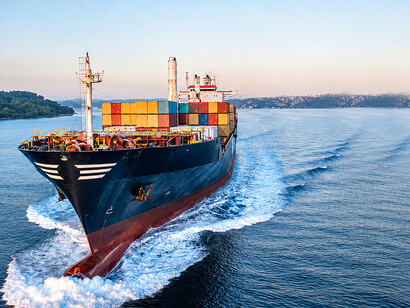
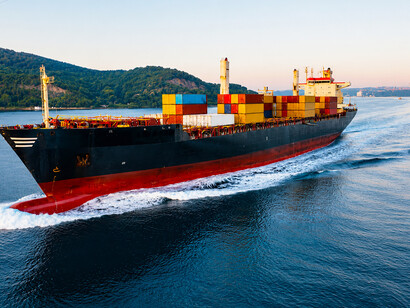
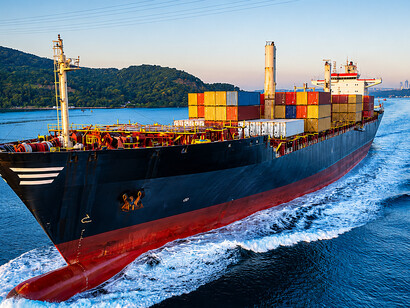
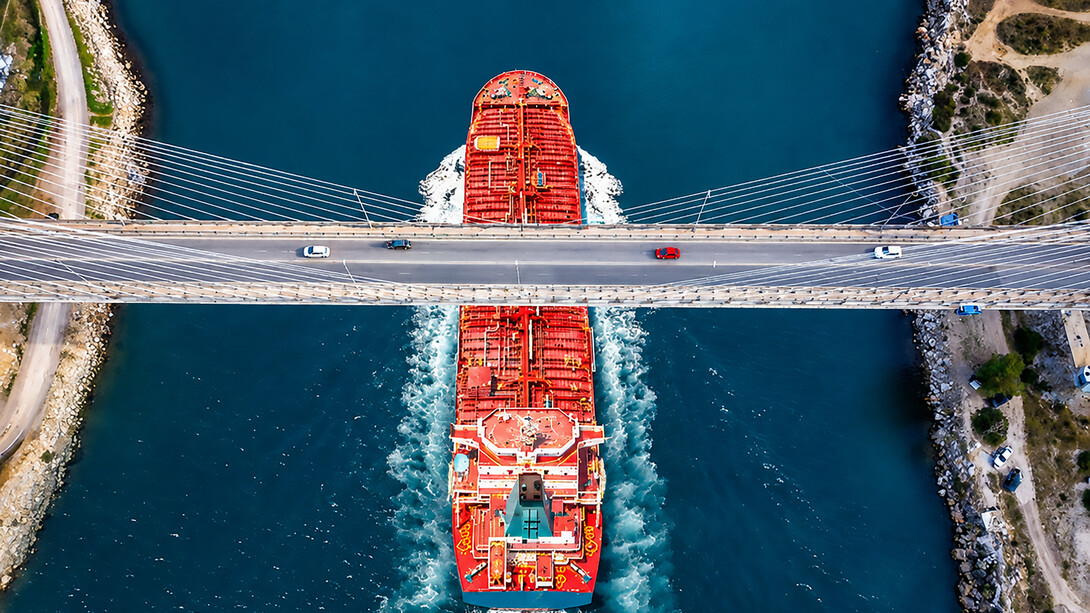
Economic and energy dimensions further reinforce this transition. The Strait of Hormuz and Red Sea shipping routes remain crucial to global trade and energy supplies. Any instability in these chokepoints immediately affects oil prices, inflation, and supply chains worldwide. As a result, major powers including China, India, and European states have strong incentives to engage diplomatically in the region to protect economic interests. Current negotiations surrounding maritime security and temporary ceasefire arrangements reportedly involve not only the United States and regional actors but also discussions regarding Chinese and Russian roles in future security frameworks.
However, it would be premature to conclude that the United States has lost its dominant position entirely or that a fully multipolar order has already emerged. Militarily, Washington still maintains unmatched global projection capabilities and extensive alliances across the Middle East. The U.S. continues to shape regional outcomes through military deployments, intelligence cooperation, sanctions regimes, and diplomatic influence. Even critics of American policy acknowledge that no other power currently possesses the capacity or willingness to fully replace the United States as the principal security guarantor in the region.
Instead, the current moment reflects a more complex transition period. The emerging order is neither fully unipolar nor genuinely multipolar. Rather, it resembles a fragmented and competitive international environment where several powers exert influence simultaneously without any single actor enjoying complete dominance. The Middle East has effectively become one of the primary theatres where this transition is unfolding in real time.
Importantly, the conflict also demonstrates that multipolarity does not necessarily guarantee stability. In fact, the involvement of multiple competing powers can increase strategic ambiguity and the risk of proxy confrontations. Unlike the bipolar Cold War system, contemporary multipolarity is characterized by fluid alliances, transactional diplomacy, and overlapping economic dependencies. Regional actors frequently cooperate with rival powers simultaneously, making geopolitical alignments more unpredictable.
Furthermore, rising powers such as China have thus far preferred economic engagement over direct military entanglement. Beijing benefits from regional stability but remains cautious about assuming costly security responsibilities traditionally associated with superpower leadership. Similarly, Russia’s capacity to sustain influence is constrained by economic limitations and military overstretch. Therefore, the emerging multipolar order may be defined less by the replacement of the United States and more by the diffusion of power among several actors with differing capabilities and ambitions.
Therefore, the current Middle East conflict can be identified as both a symptom and a catalyst of broader global transformation. It reflects the erosion of unquestioned American primacy while accelerating the rise of alternative centres of influence. The region is no longer shaped by a single hegemonic framework but by an increasingly competitive geopolitical landscape involving global and regional powers alike. Whether this transition leads to a more balanced international system or a more fragmented and unstable one remains uncertain. What is clear, however, is that the Middle East once again stands at the centre of a historic reconfiguration of world order.