English
 Español
 Français
 Deutsch
 Italiano
 Português
The different stories coming out of Cairo have created a mystery over the death of the celebrated stylist and artistic producer Riham Assem, whose death was announced on Monday evening after a brief illness.
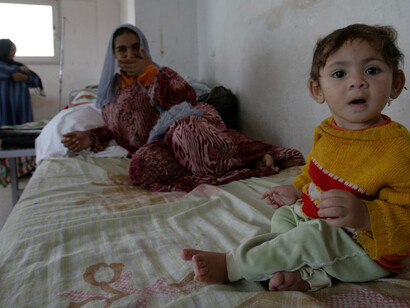
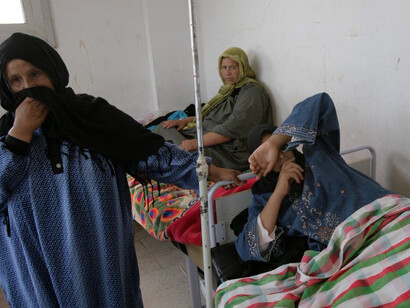
The deceased had been suffering from a foot fracture just a few days prior to her death and was using a walker. She had developed severe inflammation in her ligaments. She was then given a cortisone shot by a doctor to alleviate her suffering. However, she developed a severe allergic reaction to the shot and was admitted to the hospital. Contrary to the above account, sources close to the deceased’s artistic production company, Al-Reemas Artistic Production, claimed that Riham had developed a severe respiratory crisis in her last days. She was then immediately admitted to the intensive care unit in a hospital in Cairo. She died in the hospital. She had also been a long-time user of a vaporizer for almost nine years.
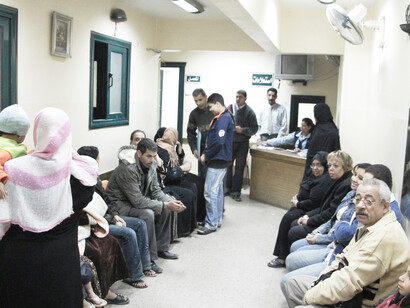
The deceased had also recently announced on social media in late December that she had recovered from her illness and was eager to resume her work. She wrote on her social media account, “I have gone through a difficult health period, and now I am ready to begin any new project. I am available and ready… who’s joining?” She was admitted to the intensive care unit just a few weeks later and had requested her friends to pray for her. Riham’s death has also raised questions about the state of the Egyptian healthcare system and the delays and poor coordination and communication on the part of the hospital staff.
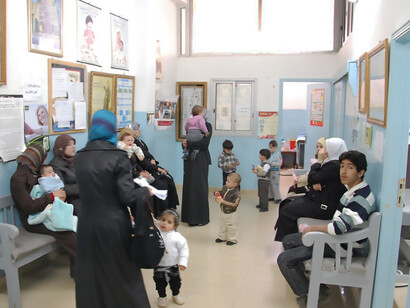
This death has occurred at a critical period in the reform of the Egyptian health system, especially in the utilization of the recently graduated doctors. On February 5, 2025, Dr. Mohamed El-Tayeb, the Deputy Minister of Health and Population, provided updates on the digitization of the system of assignment of physicians. The system was created in collaboration with the Ministry of Communications and Information Technology and Link Development. The system enables the applicants to apply electronically and to be assigned in real-time. The applicants can communicate with the concerned authorities.
“The digitization of the system of assignment of physicians will facilitate the process and minimize the efforts required from the applicants. Moreover, it will increase the transparency of the process,” said Dr. El-Tayeb in the strategic meeting.
This initiative was created in accordance with the objectives outlined in the Egypt Vision 2030 for the digitization of the health sector. The digitization was created to overcome the inefficiencies in the system. The meeting was attended by several officials from the ministry, including Dr. Ola Khairallah, Head of the Medical Professions Development Sector. The meeting was also attended by engineers from the digital health projects in the Ministry of Communications. The meeting was aimed at identifying the challenges, obstacles, and solutions to the system. According to Dr. Hossam Abdel-Ghaffar, the ministry's spokesperson, the focus of the system was not only the digitization but also creating an attractive work environment for doctors and medical staff.
The continued reforms in the country also touch on the issue of administrative corruption. This has been an endemic problem in Egypt. Administrative corruption covers various forms of corruption from favoritism and nepotism to bribery and fraud. Experts describe administrative corruption as the abuse of power for self-gain. This abuse of power may be carried out by low-level clerks, middle management, and even top administrators. From the records of the past, administrative corruption has not been a new phenomenon in the country. Experts have unearthed evidence of bribery and administrative corruption in the region for the last few thousand years.
The causes of administrative corruption in Egypt include political interference, economic constraints, inequality in society, the entrenched nature of the administrative system in the country, and the lack of adequate regulatory mechanisms. Experts in the field note that although the digitization of services in the health sector, such as the computerization of the assignment of physicians, may help in the fight against administrative corruption in the country, it would not be enough to bring about the necessary reforms.
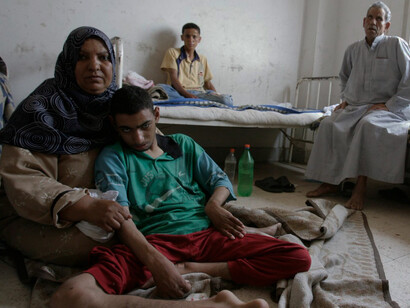
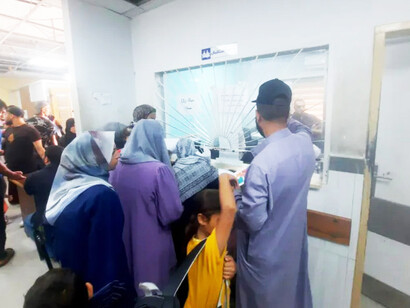
The death of Riham Assem is a reminder of the consequences of inefficiencies and administrative failures in the system. Delays in treatment, poor communication, and the management of resources in the intensive care units have been identified by healthcare professionals and policymakers as contributing factors to the failure of the system. While technology has been identified as a possible solution to the problems in the system, it has also been recognized that it cannot replace ethical management and administration.
Experts in the field have emphasized the fact that systemic reforms must address the technological and human factors in the system. While technology has been introduced in the system, the implementation of effective monitoring mechanisms, anti-corruption measures, and the accountability of medical institutions must also be ensured. Additionally, the awareness of the public regarding the rights of patients and the freedom of the media to expose the failures in the system must also be ensured.
The efforts made by the Egyptian government to introduce technology in the system of assigning physicians to patients have been a step in the right direction. However, the tragedy in the death of Riham Assem has also been a reminder of the fact that systemic reforms must be introduced in the system to address the technological and human factors in the system. While the structural and operational aspects of the system must be addressed, the reforms introduced in the system must also address the ethical management and administration in the system.