English
 Español
 Français
 Deutsch
 Italiano
 Português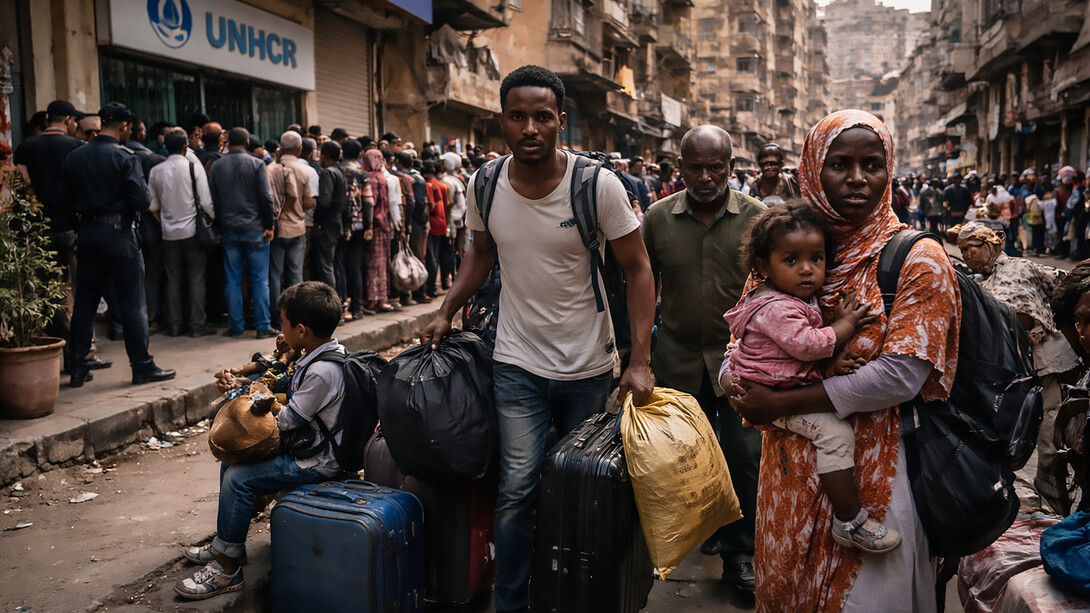
Egypt’s government is moving to formalize broader powers to reject asylum claims and deport refugees as security forces step up arrests of foreign nationals, a shift that comes as the country grapples with a deepening economic crisis and growing public resentment toward migrants.
Parliament on Sunday began debating a draft asylum law that would, for the first time, establish a national legal framework governing refugees and asylum seekers. Officials say the legislation is intended to organize refugee affairs in line with international conventions while preserving national security and public order.
Rights advocates, however, say the bill mirrors practices already unfolding on the ground—particularly the detention and removal of Sudanese refugees—and risks entrenching a policy that prioritizes economic and security concerns over humanitarian protection.
A law with broad discretion
The proposed legislation grants authorities wide latitude to deny asylum on grounds ranging from alleged security threats to actions deemed incompatible with the principles of the United Nations or other international organizations to which Egypt belongs. Applicants accused of committing serious crimes or listed under Egypt’s terrorism laws would also be excluded.
The draft law allows for refugee status to be withdrawn if it is later determined that the applicant provided incomplete or misleading information. It further prohibits refugees from engaging in political or union activity inside Egypt—violations that could trigger immediate deportation.
Asylum seekers who entered Egypt without authorization would be required to apply within 45 days of arrival. Missing that deadline could lead to prison sentences and heavy fines, a measure critics say effectively criminalizes irregular entry despite Egypt’s obligations toward people fleeing conflict.
If an application is rejected, the law authorizes a government committee to initiate deportation proceedings, with no clear guarantees of appeal or independent oversight.
Sudanese refugees bear the brunt
The timing of the legislative debate coincides with intensified security campaigns targeting refugees, particularly Sudanese nationals who fled the war that erupted in their country in April 2023.
Sudanese refugees in Cairo and other cities say arrests have become more frequent in recent weeks, with security forces detaining people from streets, markets, cafés, and public transportation. Some of the operations have reportedly been carried out by officers in civilian clothing.
Refugees say women, children, and students have been among those detained. Several Sudanese university students holding valid residency permits and enrollment documents were arrested and issued deportation orders, according to accounts shared with Sudanese media outlets and refugee networks.
Many detainees held registration cards from the U.N. refugee agency, documents refugees once believed offered a degree of protection. But refugees say such papers are increasingly disregarded.
In a video statement circulating online, a Sudanese diplomatic official in Cairo said UNHCR registration alone does not shield refugees from detention unless accompanied by Egyptian residency permits, signaling a narrowing interpretation of refugee protection.
Rights groups sound the alarm
Egyptian human rights organizations say the recent arrests reflect a systematic policy shift, not isolated enforcement actions.
In a joint statement issued last week, 10 rights groups warned that Egypt is implementing a “covert deportation policy” that undermines constitutional protections and international commitments, including the prohibition against forced return to danger.
The groups urged authorities to halt arrests based solely on residency status and to stop deportations of refugees whose legal situations deteriorated due to restrictive or inconsistent administrative procedures.
An independent refugee advocacy organization said deportations of Sudanese refugees have accelerated over the past year, describing the trend as a deliberate effort to dismantle the legal protections afforded to people escaping what the United Nations has labeled the world’s largest humanitarian crisis.
Economic crisis shapes policy
Egypt has become one of the region’s largest host countries for refugees while enduring one of its most severe economic downturns in decades.
Inflation has sharply eroded purchasing power, the national currency has lost much of its value, and unemployment pressures persist. Public discourse increasingly frames refugees as competitors for jobs, housing, and subsidized services, fueling resentment in a strained society.
Analysts say the government’s tougher stance reflects an effort to respond to domestic frustration by asserting control over migration, even as conflicts in neighboring countries continue to push people toward Egypt’s borders.
Officials have not publicly linked the asylum law to economic conditions, but the parallel rise in deportations and legislative restrictions has drawn scrutiny from rights advocates and legal experts.
A turning point for refugee protection
Egypt is a signatory to the 1951 Refugee Convention and its 1967 Protocol, but has historically relied on UNHCR to manage refugee registration and protection in the absence of a national asylum system.
If enacted, the new law would place refugee affairs squarely under state authority, raising concerns about transparency, due process, and the independence of asylum decisions.
For refugees already in Egypt, the debate has heightened fears of detention and forced removal. For those still fleeing war and instability, the law signals a country moving away from informal tolerance toward a more restrictive and enforcement-driven approach to asylum—shaped as much by economic anxiety as by security concerns.