English
 Español
 Français
 Deutsch
 Italiano
 Português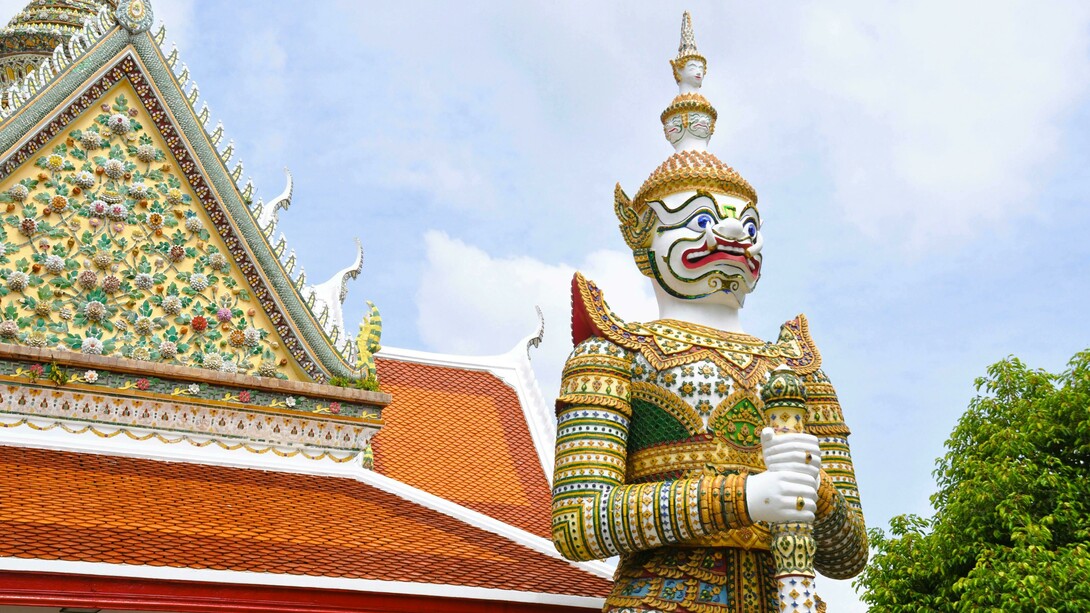
Indian mythology presents a vast and intricate universe populated not only by gods, sages, and humans but also by a fascinating range of mythical beings. These entities are not mere products of imagination; they are symbolic constructs that reflect the philosophical, psychological, ecological, and cultural consciousness of ancient India. From celestial guardians and shape-shifting beings to hybrid creatures and subterranean dwellers, each figure embodies layered meanings.
Their presence in sacred literature such as the Mahabharata, Ramayana, Puranas, and Vedas reveals not only narrative richness but also a deep engagement with metaphysical and moral questions.
The creation of mythical creatures in Indian mythology is deeply rooted in the human attempt to understand the complexities of existence. These beings often serve as intermediaries between realms: the divine, the human, and the natural. They symbolize forces that are otherwise difficult to articulate, such as chaos, fertility, destruction, protection, and transformation. Rather than being arbitrary inventions, they emerge from a worldview where nature and consciousness are deeply intertwined.
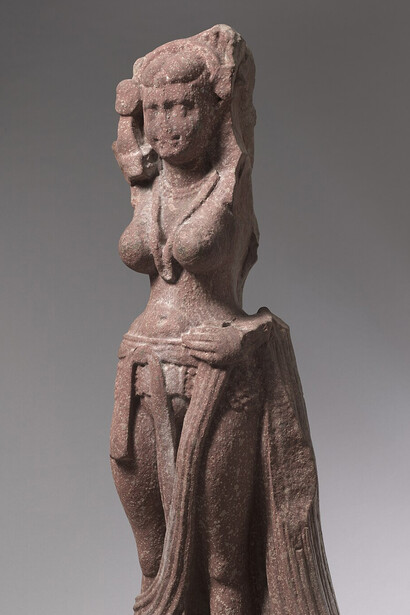
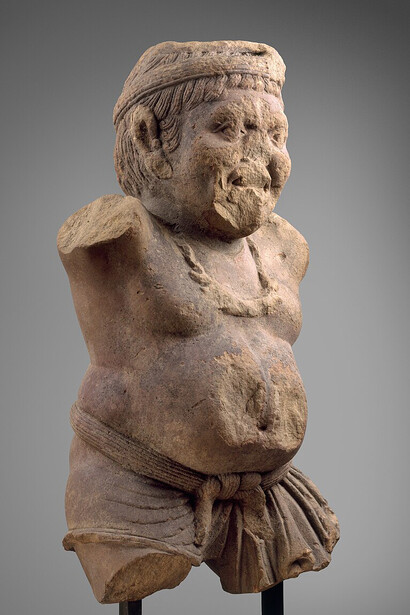
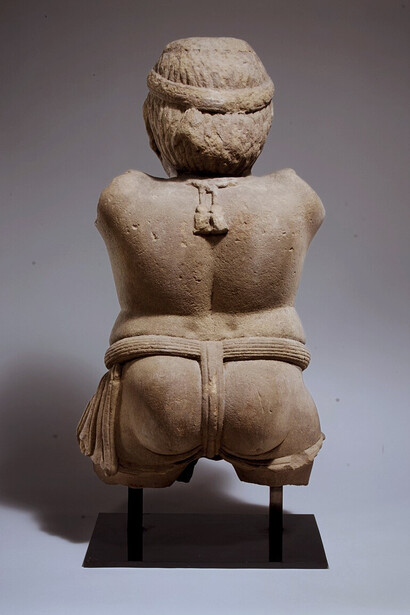
One of the most prominent categories of mythical beings is the Yakshas and Yakshinis, often described as nature spirits. They are frequently mentioned in the Puranic texts and also appear in early Buddhist and Jain literature. Yakshas are typically associated with forests, water bodies, and treasures hidden beneath the earth. Kubera, the god of wealth, is considered the king of Yakshas. These beings represent abundance and the fertility of nature, but they also carry an ambivalent character, capable of both benevolence and mischief. Their depiction in ancient Indian art, particularly in temple sculptures, reflects their importance in early religious imagination.
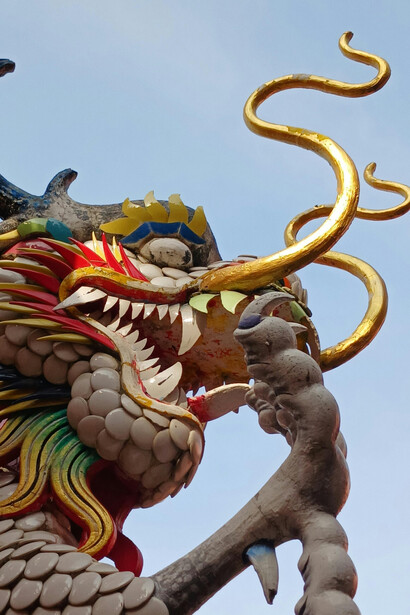
Closely related to Yakshas are the Nagas, serpent beings that occupy a significant place in Indian mythology. Found in texts like the Mahabharata and various Puranas, Nagas are often portrayed as semi-divine entities residing in an underground realm known as Naga-loka.
They are guardians of water and treasures and are associated with rainfall and agricultural prosperity. The serpent symbolism here is profound, representing both life energy and latent danger. The coiling serpent is also interpreted in yogic traditions as Kundalini, a dormant spiritual energy at the base of the spine. Thus, Nagas transcend their mythological form and enter the domain of spiritual practice.
Another remarkable class of beings includes the Gandharvas and Apsaras. Gandharvas are celestial musicians, while Apsaras are divine dancers known for their beauty and grace. These beings are frequently mentioned in the Vedas and elaborated upon in later texts. They inhabit the courts of gods such as Indra and are often associated with art, music, and sensuality. Apsaras like Menaka and Urvashi are known for their interactions with sages, often sent to disrupt intense penance. These narratives reflect a tension between asceticism and worldly desires, illustrating the human struggle between discipline and temptation.
The mythology also includes fearsome beings such as Rakshasas and Asuras. While Rakshasas are often depicted as demonic and malevolent, Asuras occupy a more complex position. In early Vedic literature, the term "Asura" was not necessarily negative, but over time, it came to represent beings opposed to the Devas (gods). Ravana, a central character in the Ramayana, is a Rakshasa king, yet he is also portrayed as a learned scholar and a devotee of Shiva. This duality challenges simplistic notions of good and evil and suggests a more nuanced moral framework.
Hybrid creatures, combining features of different animals or humans and animals, are another fascinating aspect of Indian mythology. The Garuda, an eagle-like being, serves as the mount of Vishnu and is a symbol of power and speed. The Makara, often depicted as a combination of a crocodile and other aquatic animals, is associated with water deities like Ganga and Varuna. The Sharabha, a mythical beast said to be more powerful than a lion or elephant, is sometimes considered an incarnation of Shiva. These hybrid forms may be interpreted as symbolic representations of the interconnectedness of different life forms and the transcendence of natural categories.
The purpose behind the creation of these mythical beings is multifaceted. At one level, they serve as narrative devices to enrich storytelling and convey moral lessons. In another, they function as symbolic representations of natural forces and psychological states. For instance, the churning of the ocean (Samudra Manthan) involves various mythical beings and results in the emergence of both nectar and poison. This episode symbolizes the dual outcomes of any intense effort or transformation, reflecting the complexity of human endeavors.
Moreover, mythical creatures often act as guardians of sacred spaces and knowledge. Temples across India feature sculptures of lions, elephants, and composite creatures at their entrances. These are not merely decorative but serve as symbolic protectors, warding off negative energies. The concept of Vahana, or the vehicle of a deity, also involves mythical animals. Each Vahana represents specific attributes of the deity, reinforcing their symbolic significance.
In the modern world, the presence of these mythical creatures continues in various forms. They are deeply embedded in cultural practices, festivals, art, and literature. For example, the festival of Nag Panchami involves the worship of serpents, reflecting the enduring reverence for Nagas. Similarly, classical dance forms like Bharatanatyam and Kathak often depict stories involving Apsaras and Gandharvas, keeping these figures alive in performative traditions.
Contemporary Indian literature and cinema have also reimagined these beings, blending mythology with modern storytelling techniques. Graphic novels, television series, and films frequently draw upon mythological themes, presenting them in new contexts. This reinterpretation allows for a dynamic engagement with tradition, making it relevant to contemporary audiences.
In psychology and popular discourse, mythical creatures are sometimes used as metaphors to describe human traits and behaviors. The idea of inner demons, for instance, echoes the concept of Rakshasas. Similarly, the awakening of potential or transformation is often likened to the rising of Kundalini, symbolized by the serpent. These metaphors demonstrate how mythological constructs continue to shape modern thought processes.
The ecological dimension of these myths is also noteworthy. Many mythical beings are associated with specific elements of nature: forests, rivers, mountains, and animals. This association fosters a sense of reverence for the environment, encouraging conservation and sustainable living. In an age marked by environmental crises, revisiting these narratives can offer valuable insights into harmonious coexistence with nature.
From an anthropological perspective, the persistence of mythical creatures in cultural memory highlights their role in identity formation. They serve as carriers of collective values, beliefs, and historical experiences. Their stories are passed down through generations, adapting to changing contexts while retaining core meanings. This continuity underscores the resilience of myth as a mode of knowledge.
In conclusion, mythical creatures in Indian mythology are not merely fantastical elements but integral components of a rich intellectual and cultural tradition. They embody complex ideas, bridge different realms of existence, and offer insights into human nature and the natural world. Their origins lie in a deep engagement with the mysteries of life, and their continued presence in the modern world attests to their enduring relevance. As symbols, storytellers, and spiritual guides, these beings continue to inspire, challenge, and illuminate, inviting us to explore the depths of our own consciousness and the world around us.
References
Primary sources include the Rigveda, Mahabharata, Ramayana, and various Puranas such as the Vishnu Purana and Bhagavata Purana. Secondary interpretations are drawn from works on Indian mythology, cultural anthropology, and religious studies, including scholarly translations and commentaries on Vedic and Puranic literature.