English
 Español
 Français
 Deutsch
 Italiano
 Português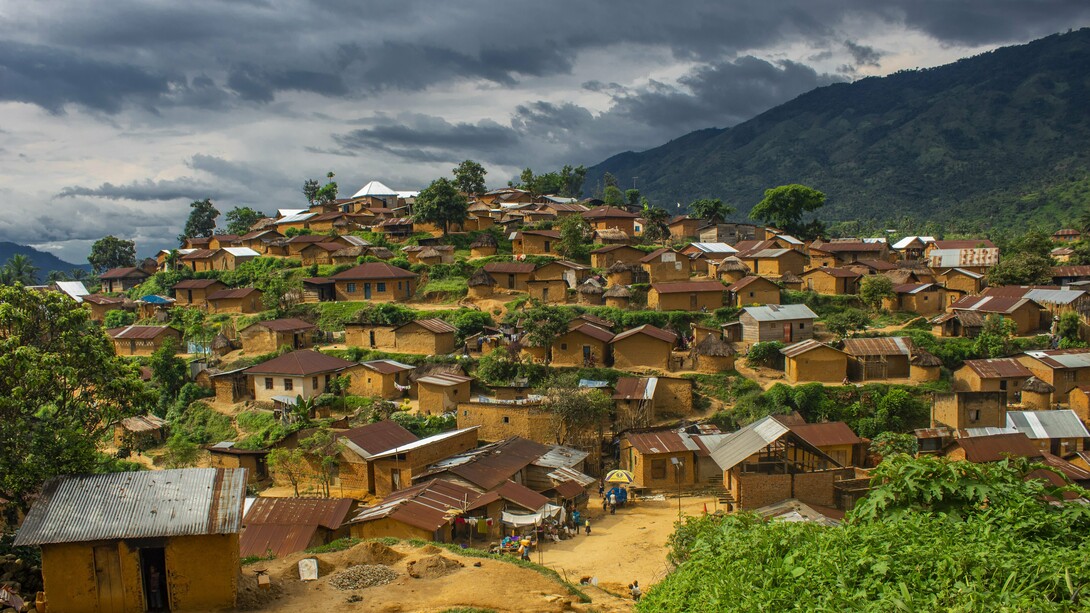
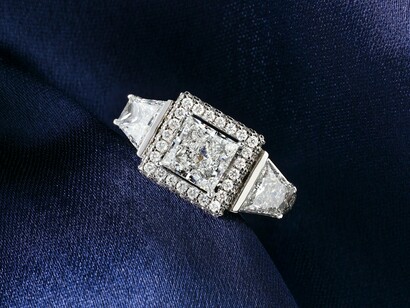
If wealth were measured by what lies beneath the soil, the Democratic Republic of Congo would be a global superpower. It’s a land clasping an unimaginable treasure: cobalt for our phones, copper for our wires, coltan for our laptops, and diamonds that sparkle on fingers worldwide. Yet, for the Congolese people, this geological lottery has felt less like a blessing and more like a relentless curse.
The root of this cure digs deeper into history. In the late 19th century, King Leopold II of Belgium turned Congo into his own rubber plantation, a state of terror where hands were severed for quotas. The wealth flowed one way: out. After independence in 1960, this extractive template remains. The West and the CIA helped overthrow the visionary prime minister Patrice Lumumba, installing the brutal, kleptocratic regime of Mobutu Sese Seko.
For 32 years, Mobutu perfected the art of the resource curse. He renamed the country Zaire and siphoned billions from its mines into Swiss banks and his own palaces, while infrastructure crumbled. The state existed not to develop but to extract from its land and its people.
Mobutu’s fall in 1997 didn’t bring liberation; it unleashed a regional scramble dubbed ‘Africa’s World War,' where Congo’s neighbours and rebel factions fought not for flags but for control of mines. Millions died from violence, hunger, and diseases. The minerals funded the very militias that terrorized communities, creating a hellish cycle of conflict and profit.
Today, the war is officially over, but the curse has simply evolved. The eastern provinces, rich in coltan and gold, remain a patchwork of rebel control. Artisanal miners, including children, descend into hand-dug tunnels for a few dollars a day, risking cave-ins for minerals that will power our clean energy revolution. The promise of ‘ethical sourcing’ is a fragile bandage on a deep, systemic wound.
Politically, Kinshasa is a pressure cooker. President Felix Tshisekedi, elected in 2019, promised to clean house. Yet, corruption remains endemic. The state mining company is a byword for opaque deals. Billions in mining revenue vanish before reaching the national treasury. The recent renegotiations under the “contract of the century," a massive mineral-for-infrastructure deal struck under previous leader Joseph Kabila, highlight both the struggle for better terms and the immense leverage foreign powers still hold.
The global energy transition has made Congo more critical than ever. It holds over 70% of the world's cobalt. This has triggered a new “Great Game,” with the U.S., China, and the European Union vying for influence. For Congo, this demand is a double-edged sword; it brings investment but also reinforces the old pattern of exporting raw materials, importing finished goods, and remaining trapped at the bottom of the value chain.
Is the mineral deposit inherently a curse? No. The rock itself isn't the curse; the curse is the systems built around it. It is the historical theft, the corrupt governments, the compromised global market that asks no questions, and the violent competition it fuels. It’s seeing your child mine the cobalt for a car battery that will power a lifestyle you can never afford.
Within these bleak narratives, there is a glimmer of defiance. The civil society groups tirelessly document the links between minerals and violence. Younger tech-savvy activists are using satellites to track illegal mining and using social media to demand accountability. Some argue that if revenues were transparently managed, this wealth could build schools, hospitals, and roads that rival any in the world.
The path forward is agonizingly clear but steep. It requires a Congolese political elite that serves its people, not foreign partners or personal bank accounts. It demands a global consumer base willing to pay for truly clean supply chains and it needs investment not just in extraction but in processing plants so Congo can finally capture more of the value of its own wealth.
Congo stands at a crossroad. It can remain the archetype of the resource curse, a cautionary tale of plunder, or, through immense courage and relentless pressure from its own people and the world that consumes it, it can begin to forge a new story. One where the grounds treasure finally builds a foundation for the people who walk upon it.
The painful truth is this: the curse is a collaboration. It is the signature of a foreign CEO on a murky contract and the signature of a local official who approves it. It is the rush of a global market to secure the cobalt and the silence of Kinshasa when revenues disappear. The world’s gadgets glow with Congo’s light, while its people remain in the dark, a darkness maintained by hands both overseas and in ornate offices at home. The way out begins when both are forced to let go.
The minerals are not the curse. Our collective failure to ensure they are a blessing—that is the real curse. And it is one we all have a hand in breaking.