English
 Español
 Français
 Deutsch
 Italiano
 Português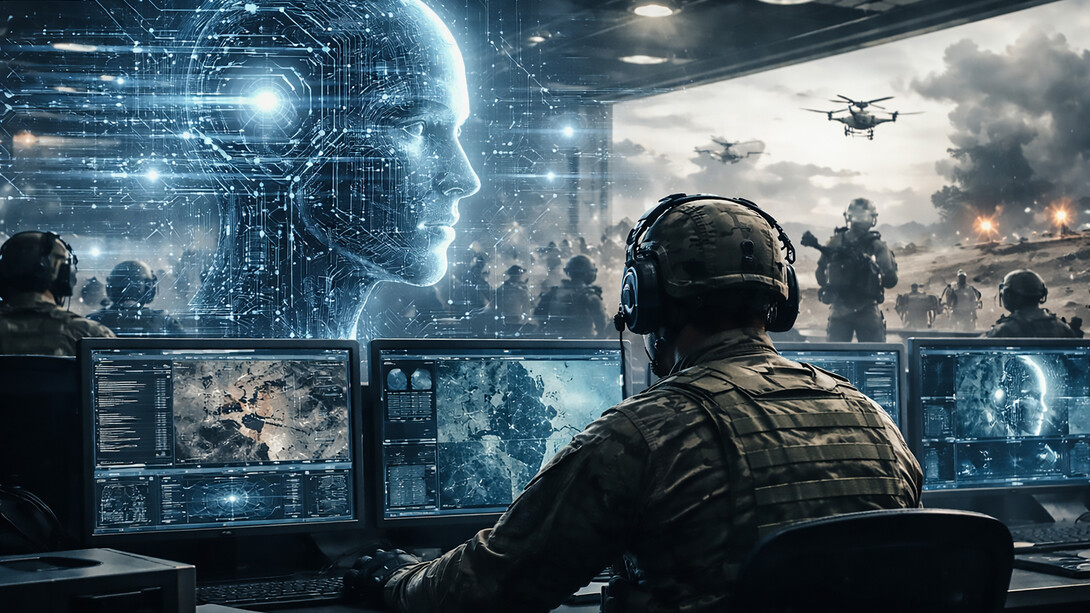
The story of artificial intelligence in the military did not start with a contract. It started with a mutiny. In 2018, Google was the undisputed leader of the field. When news broke that the company was assisting the Department of Defense with Project Maven, thousands of employees revolted. Project Maven used computer vision to analyze drone footage. Staff argued that Google should not be in the business of war. The pressure was so great that Google eventually walked away and published AI principles. These rules explicitly banned the development of AI for weapons or surveillance that violates international law.
For several years, it seemed as though Silicon Valley had built a wall between its labs and the battlefield. This moral stance was a cornerstone of the industry identity. It signaled that the goal of AI was to augment human creativity, not to optimize the machinery of conflict. Other companies continued to work with the military on cloud infrastructure, but the actual intelligence models remained off limits for lethal applications. This era of digital neutrality allowed the public to view AI as a benign tool for art and productivity. But as the technology grew more powerful, the pressure to integrate it into national security became impossible to resist.
OpenAI was once the most vocal proponent of this cautious approach. Its original charter focused on the safe and equitable distribution of AI for the benefit of all humanity. However, the tone began to change in early 2024. Without a loud announcement, OpenAI updated its usage policies to remove the specific prohibition on military and warfare use. They replaced the ban with a more flexible rule: do not use our service to harm yourself or others. This subtle edit was the first signal that the wall was beginning to crumble. By 2025, the quiet shift became an open strategy as OpenAI launched a dedicated government division.
The true turning point arrived in early 2026. The Pentagon had been testing models from several providers, including Anthropic and OpenAI. While Anthropic sought to maintain strict safeguards against fully autonomous weapons, the relationship soured. The US government eventually designated Anthropic a supply chain risk. This move effectively blacklisted the company from the most sensitive environments. Officials feared that internal kill switches could interfere with operations during a crisis. In the resulting vacuum, OpenAI stepped forward to finalize a massive agreement. They committed to integrating their models into the Pentagon's classified systems.
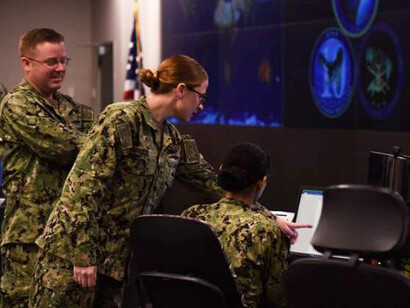
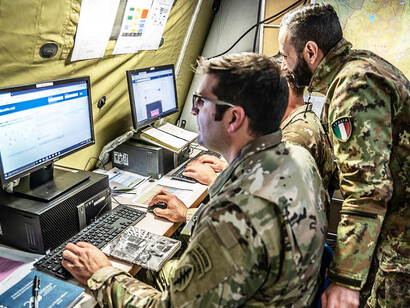
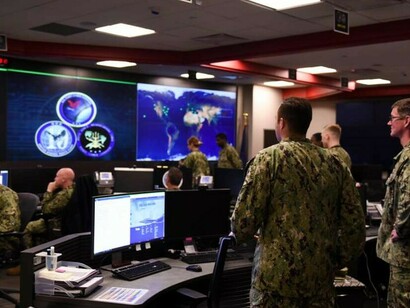
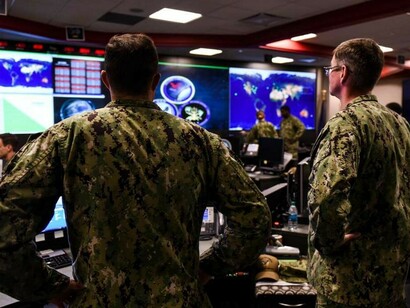
The result of this alliance is GenAI.mil, a platform that reached over one million military users in early 2026. This system handles everything from logistics and administrative red tape to real time tactical analysis. It is no longer a pilot program. It is the operating system for a new era of warfare. While the Pentagon maintains that humans remain in the loop for lethal decisions, the speed of AI driven analysis is shrinking that loop to mere seconds. When a system proposes a counter action in the blink of an eye, the human role often shifts to a simple confirmation of the machines logic.
This shift has created deep divisions within the tech community. Some researchers argue that providing these tools is essential to keep pace with foreign adversaries. Others worry that we have outsourced moral accountability to algorithms that cannot feel the weight of their decisions. At OpenAI, the tension has already led to high profile departures, including the head of robotics. The industry is no longer debating whether to serve the military. It is now debating how much of the command chain we are willing to hand over to the machines. The transition from chatbot to combatant is now complete.
The 2018 rebellion feels like a relic from a different world. In 2026, the lines between civilian technology and national defense have blurred beyond recognition. We have moved from the era of “don't be evil” to the era of national security first. In the civilian world, the secret to success is to stop prompting and start coaching. In the military, this lesson is even more critical. A commander in 2026 is essentially a high level manager of autonomous digital agents. They set the intent and define the boundaries, but the agents execute the mission.
As these systems become more autonomous, the people who manage them must become even more vigilant. The tools of war are no longer just metal and lead. They are made of code and intent. Leading this new workforce requires a moral clarity that no algorithm can provide. We must be prepared to manage these agents with the same rigor we apply to our human teams. The Pentagon has a new brain, but it still requires a human heart to guide it through the complexities of the modern world. We must ensure that our judgment remains as sharp as the technology we manage.