English
 Español
 Français
 Deutsch
 Italiano
 Português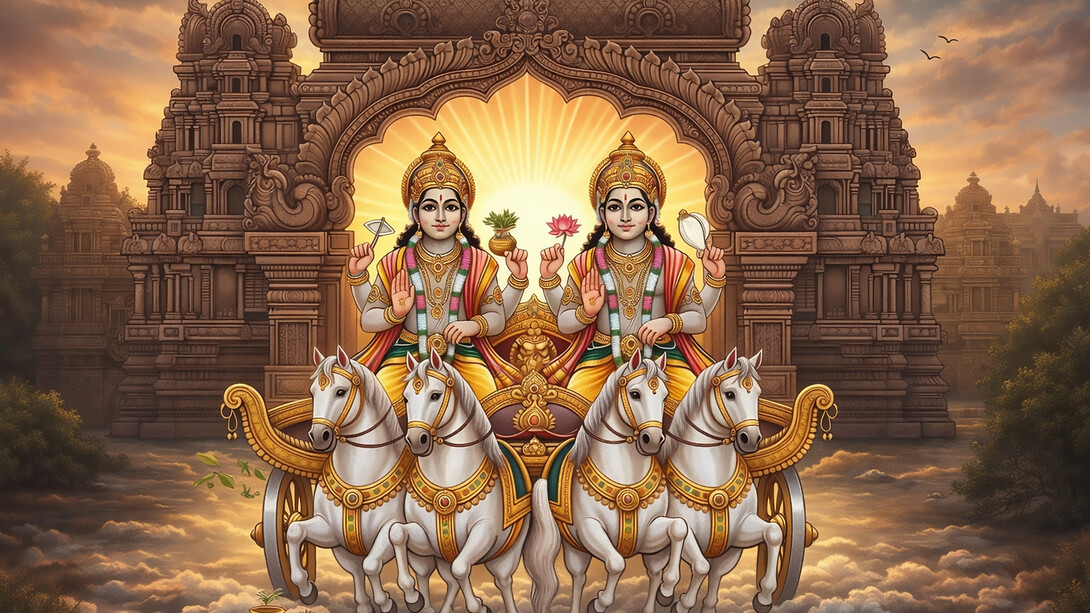
Within the expansive cosmological thought of early Hindu literature, the Ashwin Kumaras occupy a distinctive and fascinating place. Known in Vedic texts as the Ashvins or the Ashwini twins, they are described as divine brothers who serve as physicians of the gods and benefactors of humanity. Their presence is particularly prominent in the hymns of the Rigveda, where they are praised for their swiftness, benevolence, and miraculous healing powers. Through centuries of textual development from Vedic hymns to the narrative traditions of the epics and Puranas, the Ashwin Kumaras came to symbolize the restorative forces of nature and the compassionate aspect of divine intervention.
The figure of the divine healer holds profound significance in ancient cultures, and in the Indian context, the Ashwin Kumaras represent the earliest conceptualization of celestial physicians. Their identity is interwoven with the rhythms of the natural world, particularly the arrival of dawn. Because they are associated with the transition between darkness and light, they embody renewal, vitality, and the restoration of order. In this sense, their mythology reflects the philosophical understanding that healing is not merely a physical act but a cosmic process aligned with the harmony of the universe.
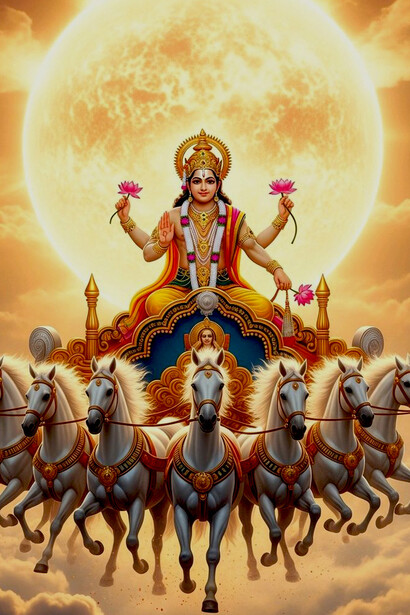
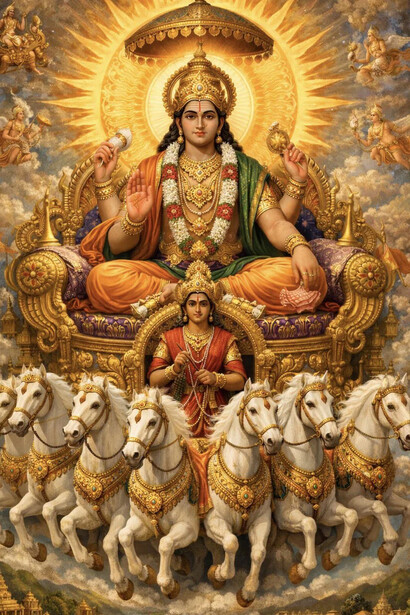
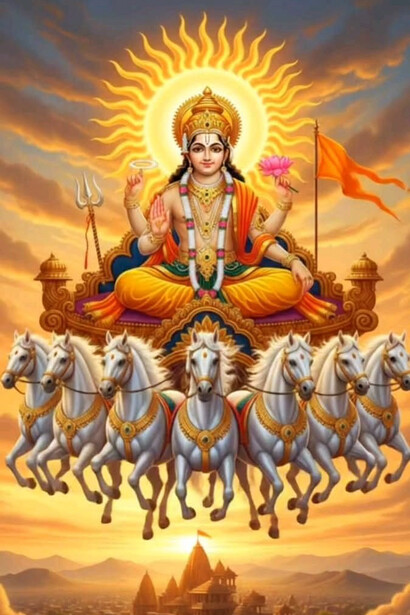
According to traditional accounts, the Ashwin Kumaras are the twin sons of Surya, the solar deity, and his consort Saranyu (also called Sanjna). Their birth story is one of the most imaginative narratives in Hindu mythology. Overwhelmed by the intense brilliance of Surya, Saranyu is said to have taken the form of a mare and withdrawn into seclusion. Surya, discovering her whereabouts, assumed the form of a stallion and united with her. From this union the Ashwin Kumaras were born, inheriting the radiant vitality of the Sun and the dynamic strength symbolized by the horse. The equine imagery attached to them often depicted riding a swift chariot drawn by horses, emphasizing their speed and their ability to arrive swiftly wherever help is needed.
The names of the twins, Nasatya and Dasra, also carry symbolic meanings in Vedic interpretation. Nasatya has been understood to signify truthfulness or the power to rescue from suffering, while Dasra suggests miraculous skill or divine dexterity. Together they represent the harmonious blending of knowledge and action, wisdom and practical ability. Such attributes made them natural guardians of health and vitality.
In the hymns of the Rigveda, the Ashvins are frequently invoked by priests seeking blessings for protection, longevity, and well-being. These hymns portray them as compassionate deities who respond readily to human prayers. Their chariot, described as moving with extraordinary speed across the heavens, symbolizes their readiness to assist those in distress. Unlike certain distant or austere gods, the Ashvin twins appear approachable and benevolent, reflecting a theological idea that divine grace can intervene directly in human life.
The primary duty attributed to the Ashwin Kumaras is that of healing. In Vedic literature they are regarded as masters of medicinal knowledge, possessing an intimate understanding of herbs, restorative elixirs, and rejuvenating therapies. Their healing abilities extend far beyond ordinary remedies; they are said to restore sight to the blind, enable the lame to walk, and rescue individuals from seemingly irreversible states of suffering. Through these acts they embody the ideal of divine compassion expressed through practical action.
One of the most celebrated narratives illustrating their healing powers concerns the sage Chyavana. According to later traditions recorded in texts such as the Bhagavata Purana, Chyavana had grown extremely old and frail due to long years of ascetic practice. When the Ashwin Kumaras encountered him, they offered to restore his youth. Through a sacred therapeutic ritual involving medicinal herbs and immersion in a rejuvenating pool, they transformed the aged sage into a youthful and vigorous man. This story is often interpreted as an allegory for the regenerative potential of divine knowledge and disciplined practice.
The Ashwin Kumaras are also associated with numerous other miraculous interventions. Vedic hymns recount episodes in which they saved travelers from danger, rescued sailors from shipwreck, and restored health to individuals who had been injured or incapacitated. Such accounts reveal an early cultural belief that divine forces actively protect the vulnerable and maintain the equilibrium of life.
Their connection with dawn further enhances their symbolic significance. In Vedic cosmology the arrival of dawn represents the triumph of illumination over darkness. Because the Ashvin twins are believed to precede or accompany the dawn, they are viewed as heralds of hope and renewal. Just as the first rays of sunlight dispel the night, the Ashwin Kumaras dispel suffering and restore vitality. Their role in this transitional moment reflects a deeper metaphysical theme in Hindu thought: that transformation often occurs at the threshold between two states of existence.
The importance of the Ashwin Kumaras continues into the epic tradition. In the Mahabharata they are connected with the birth of the Pandava twins Nakula and Sahadeva. Through divine intervention granted to Queen Madri, the Ashwin Kumaras become the celestial fathers of these two heroic figures. This episode reinforces their association with vitality, beauty, and skill, qualities that Nakula and Sahadeva themselves exemplify.
Beyond mythology, the Ashvin twins also hold an enduring place in the symbolic and ritual landscape of Hindu culture. In Vedic astrology, the first lunar mansion, known as Ashwini Nakshatra, is governed by them. This nakshatra is traditionally associated with beginnings, vitality, healing, and rapid movement—attributes reflecting the mythological characteristics of the Ashwin Kumaras. Individuals born under this lunar mansion are often believed to possess qualities of dynamism, helpfulness, and a natural inclination toward healing or service.
From a philosophical perspective, the Ashwin Kumaras represent more than mythological healers. They embody the principle that the universe itself contains forces dedicated to restoration and balance. Illness, decay, and suffering are not final states but conditions that can be transformed through knowledge, compassion, and divine assistance. The twins, therefore, symbolize an optimistic worldview in which harmony can be restored even after disruption.
The continued reverence for the Ashvin twins in devotional traditions reflects the enduring human desire for healing and protection. Prayers addressed to them often seek relief from physical ailments, mental distress, or unforeseen dangers. Their mythological narratives remind devotees that divine help may arrive unexpectedly and swiftly, much like the celestial chariot described in Vedic hymns.
In conclusion, the Ashwin Kumaras stand among the most intriguing figures in early Hindu mythology. Emerging from the sacred hymns of the Vedic age and continuing through epic and Puranic storytelling, they represent the divine embodiment of healing, renewal, and compassionate action. Their mythological functions as celestial physicians, heralds of dawn, and benefactors of humanity illustrate a worldview in which cosmic order and human well-being are deeply interconnected. Through their stories, ancient Indian tradition affirms a profound belief that restoration, vitality, and hope are integral aspects of the divine presence in the universe.
References
Macdonell, A. A. Vedic Mythology. Delhi: Motilal Banarsidass, 2000.
Jamison, Stephanie W., and Joel P. Brereton. The Rigveda: A Guide. Oxford University Press, 2014.
Doniger, Wendy. Hindu Myths: A Sourcebook. Penguin Classics, 1975.
Kramrisch, Stella. The Presence of Śiva. Princeton University Press, 1981.
Dowson, John. A Classical Dictionary of Hindu Mythology and Religion. London: Trübner & Co., 1879.