English
 Español
 Français
 Deutsch
 Italiano
 Português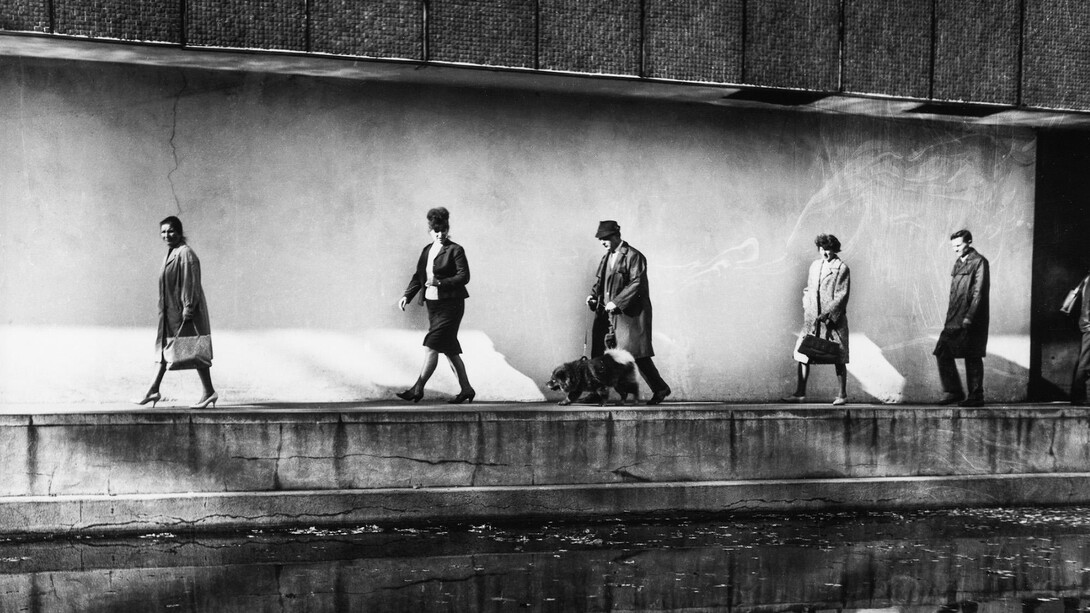
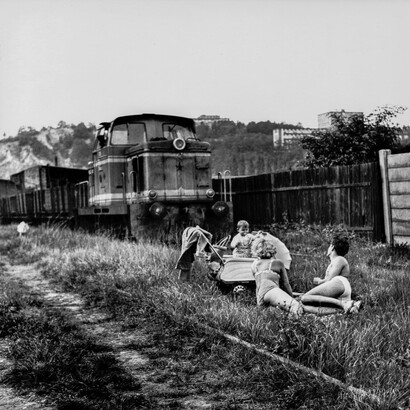
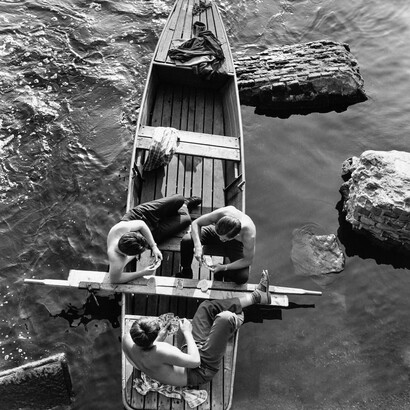
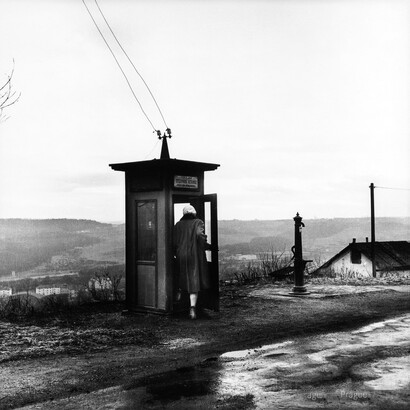
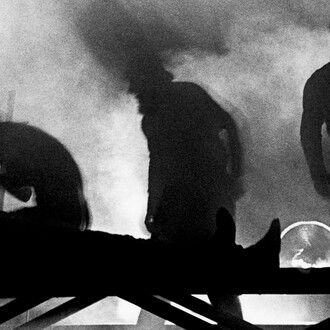
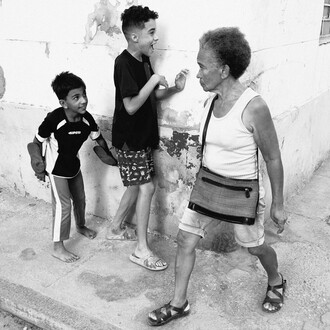
Miloslav Kubeš (1927–2008) was born in the South Bohemian village of Bošilec. After graduating from a technical secondary school, he moved to Prague to study philosophy. He completed his postgraduate studies and went on to earn his habilitation and doctoral degree. Philosophy became his lifelong academic profession. Photography, which he took up shortly after the war, became his personal passion—a means through which he explored people and the world around him. In the 1960s he worked with a Flexaret camera in square format, later expanding his practice to 35mm film. His documentary photography of the human figure is often interpreted through a sociological lens. It was essential to him that his subjects appear natural—self-contained, absorbed in themselves, unaware of the surrounding world. As a philosopher, he would theoretically justify each photograph before pressing the shutter. He sought to reveal the contrasts embedded in the life of his time. The central themes of Kubeš’s work thus became loneliness within the crowd and boredom amidst entertainment, observed across the various stages of human life—from childhood to old age.
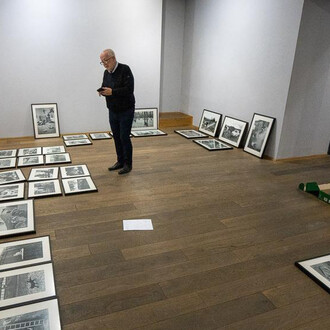
In a strikingly timeless and universal manner, Kubeš portrayed the figure of Homo Consumens—the individual absorbed by consumer society. In doing so, he subtly challenged the notion that “to have” means “to be,” that one’s existence is measured by possession. Through photography, he pursued his philosophical inquiry: can a camera, capturing a human face, relationships, and events in a mere fraction of a second, penetrate beneath the surface of fleeting moments to reveal enduring human values? Is it possible to capture traits such as envy, boredom, loneliness, malice, love, or hatred? He sought answers to these questions precisely in his photographs. Following the political changes of 1968, Kubeš was never able to publicly exhibit or publish his work. His photographs remained literally closed away in boxes, and most were not printed in exhibition formats for many years.
The rediscovered oeuvre of Miloslav Kubeš is highly distinctive. Its rawness, interwoven with poetic sensitivity, achieves remarkable artistic depth. Some of his themes were strikingly ahead of their time. Through images of everyday life, he captured the unrepeatable atmosphere of Prague in the 1960s. His work enriches the history of Czech photography. Kubeš’s contribution lies in demonstrating how brilliant, witty, and intellectually rigorous amateur photography can reach a truly professional level and become an integral part of a society’s cultural tradition.
In 2008, his photographs were published by Kant in the monograph Man, who are you? Since then, his work has been exhibited both in the Czech Republic and abroad.
(Text by Daniel Šperl, Ph.D., curator)