English
 Español
 Français
 Deutsch
 Italiano
 Português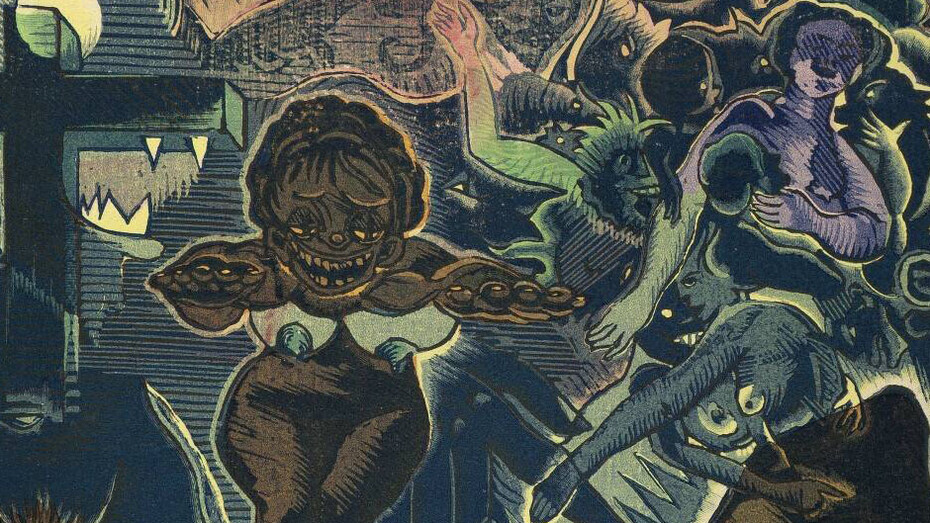
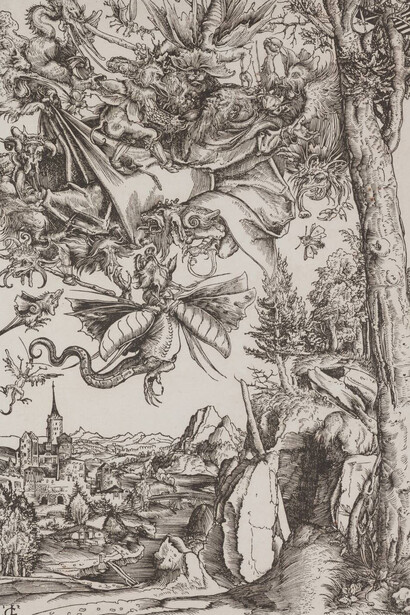
The story of the early Christian hermit Saint Anthony—tormented in the desert by visions that embodied earthly temptation—was a widely depicted subject in the late Middle Ages and the Renaissance. Artists such as Lucas Cranach the Elder, Martin Schongauer, and Pieter Bruegel the Elder explored the theme, translating the saint’s spiritual trials into vivid and often unsettling imagery. These works reflect a fascination with the tension between ascetic devotion and the seductive pull of the material world.
In the nineteenth century, the legend experienced a revival, largely due to its literary reinterpretation by Gustave Flaubert. His influential text inspired a series of illustrated editions that reintroduced the story to a new audience, bridging literature and visual culture. This renewed interest paved the way for further reinterpretations, allowing the figure of Saint Anthony to evolve alongside shifting artistic and intellectual currents.
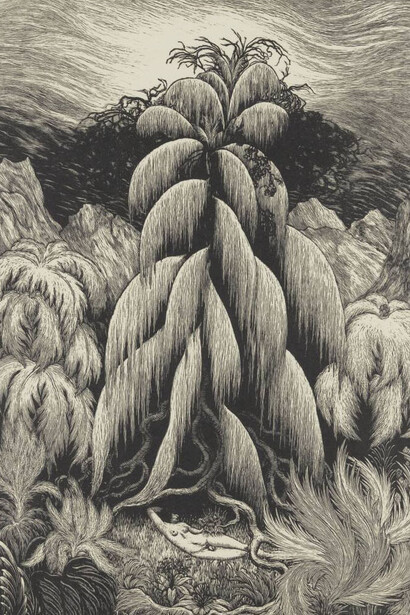
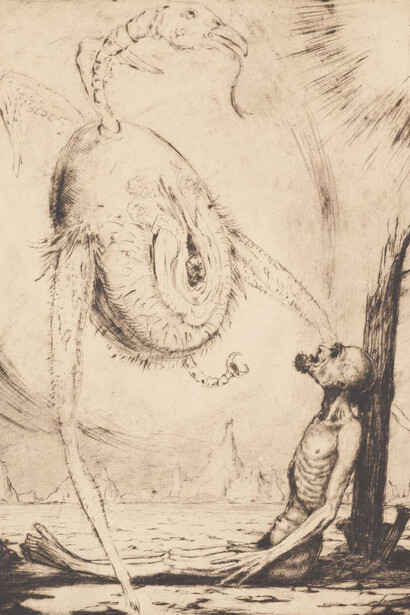
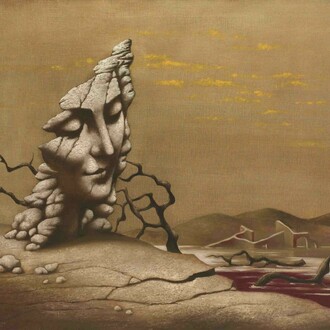
By the time of Symbolism, Decadence, and Expressionism, artists began to emphasize the more psychological and erotic dimensions of Anthony’s visions. Figures such as Josef Váchal, František Kobliha, Jan Konůpek, Alfred Kubin, and Rudolf Jakubek reimagined the narrative through a more introspective and often disturbing lens. Presented by the Graphic Arts Cabinet, these works are placed in dialogue with prints by the old masters, creating a compelling confrontation between historical traditions and modern interpretations of temptation, desire, and spiritual struggle.