English
 Español
 Français
 Deutsch
 Italiano
 Português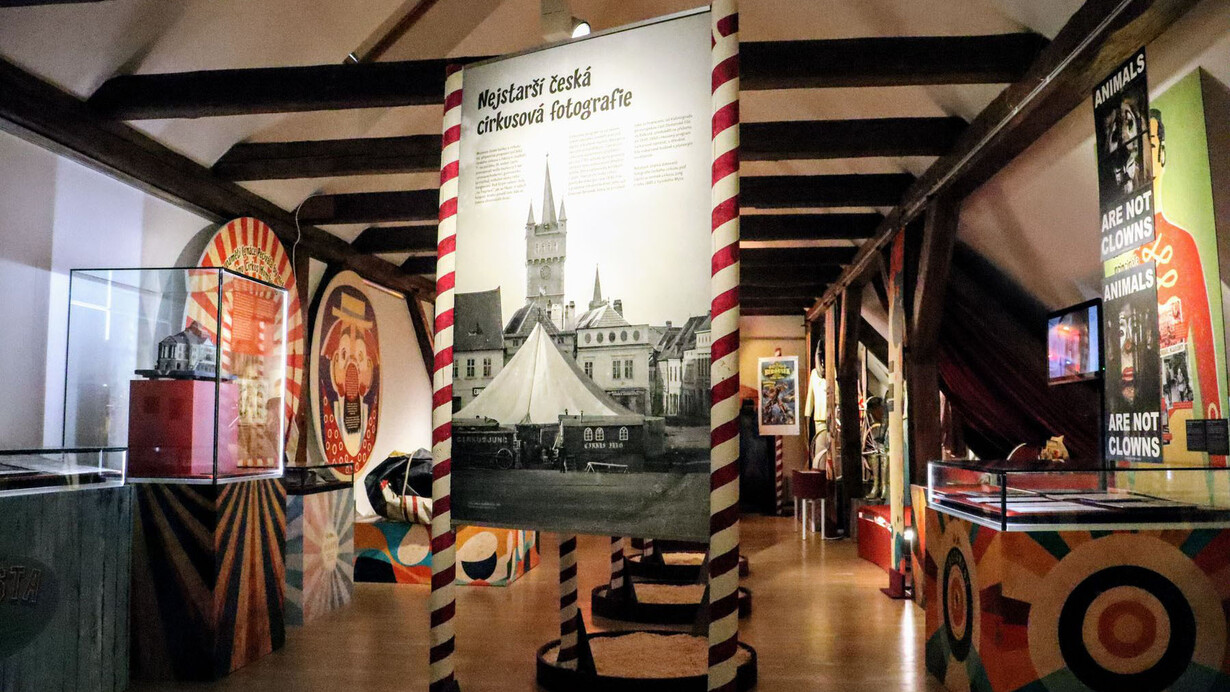
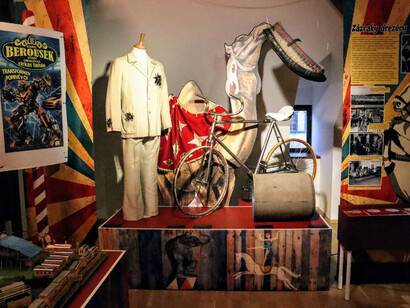
The exhibition at the Museum of Czech Puppets and Circus traces the development of circus art in the Czech lands through large-format photographs and unique objects, including items from the collections of the National Museum, and highlights the fundamental transformation this phenomenon has undergone over the past more than two hundred years.
The exhibition documents the journey from family-run businesses performing in the Czech countryside to large circuses with international programs, and from refined entertainment based on horse performances to colorful animal acts. The changing approach to animals—leading to the gradual ban on the performance of wild animals in circuses over the past decade—illustrates the shift from the traditional circus structure of acrobats, clowns, and trained animals to a symbiosis of acting, physical theatre, and circus arts in what is known as the new and contemporary circus.
It also recalls circus art alongside the everyday lives of people working in the field. The exhibition thus presents the evolution of this cultural phenomenon in the Czech context, its changing face, and reflects on its traditional, gradually disappearing form.
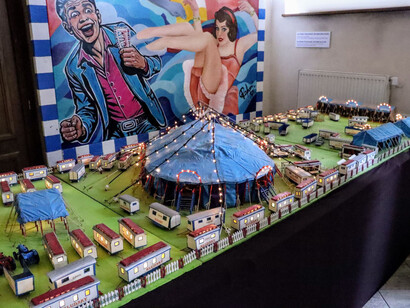
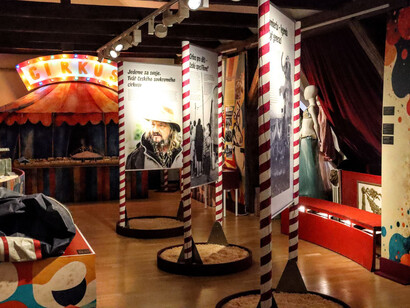
The exhibition Circus through the changing times consists of three parts. In the first, visitors can view large-format photographs documenting significant moments in circus history, such as the oldest known photograph of a Czech circus under a big top—a picture of the Jung Circus from 1885 taken in Vysoké Mýto. Another notable photograph shows a group portrait of artists, musicians, and workers of the large Kludský Circus, which, with its three rings, was the largest enterprise of its kind. Among the highlights of the second part are a caravan— the salon wagon of circus director Karel Kludský from 1929—and a model of the Czechoslovak State Circus Dunaj. The final part of the exhibition is a gallery presenting works by painters inspired by the theme of the circus.