English
 Español
 Français
 Deutsch
 Italiano
 Português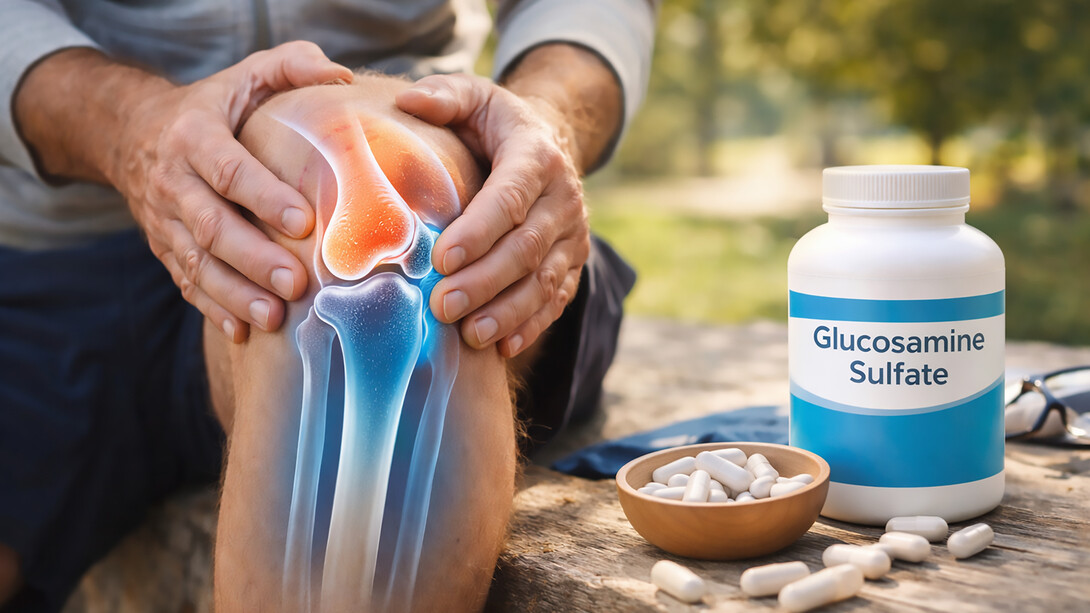
If your knees could talk, they would probably have a lot to say. They would remind you of the time you ran down the stairs too quickly and pretended nothing happened. They would bring up the moment you crouched down to pick up a dropped sock and made a noise that sounded like a haunted door hinge. They would absolutely mention the day you decided to “get back into jogging” after a five‑year hiatus and then spent the next week walking like a penguin. And if your knees had access to the internet, they would almost certainly forward you this article with the subject line: Please read this before you make us squat again.
Welcome to the world of glucosamine, a compound that has quietly become one of the most talked‑about supplements for joint health. It’s not glamorous. It’s not trendy. It doesn’t come in a pastel‑colored bottle with a minimalist label. But it has earned a loyal following among people who want to keep moving without sounding like a percussion section every time they stand up. Whether you’re an athlete, a weekend warrior, a parent who spends half the day crouching to pick up toys, or simply someone who has noticed that your joints are not as carefree as they used to be, glucosamine might be the guide your knees have been waiting for.
The secret life of your knees
Your knees are engineering masterpieces. They carry your weight, absorb shock, bend, straighten, twist, and help you perform everything from walking to dancing to sitting cross‑legged on the floor. But they are also vulnerable. The cartilage that cushions your joints can wear down over time, especially if you’ve spent years running, jumping, lifting, or simply living. When cartilage thins, bones can rub against each other, leading to stiffness, discomfort, and that unmistakable grinding sensation that makes you question every life choice that led you to this moment.
This is where glucosamine enters the story. Glucosamine is a natural compound found in cartilage. Your body produces it, but production tends to decline with age. It plays a key role in maintaining the structure and function of joint tissue, particularly the smooth, rubbery cartilage that allows your joints to glide without friction. When cartilage begins to break down, your knees feel the consequences long before you do.
What exactly is glucosamine?
Glucosamine is a building block for several important molecules involved in the formation and repair of cartilage. It helps maintain the integrity of joint tissue and supports the production of synovial fluid, the slippery liquid that keeps your joints lubricated. Without adequate lubrication, your knees feel stiff, creaky, and resistant to movement, much like a rusty hinge that desperately needs oil.
There are different forms of glucosamine, including glucosamine sulfate, glucosamine hydrochloride, and N-acetylglucosamine. The most commonly studied and widely used form is glucosamine sulfate, which has been the focus of numerous clinical trials exploring its potential benefits for joint comfort and mobility. While glucosamine is naturally present in the body, supplements are typically derived from shellfish shells or produced synthetically for those with allergies or dietary restrictions.
Why your knees care so much about it
Your knees are not dramatic for no reason. They rely heavily on cartilage to cushion impact and allow smooth movement. As cartilage wears down, the joint becomes less stable and more prone to discomfort. Glucosamine supports the maintenance of cartilage by helping the body repair and rebuild the tissue that cushions your joints. It also plays a role in reducing the low‑grade inflammation that often accompanies joint wear and tear.
Many people begin taking glucosamine when they notice early signs of joint stiffness, especially in the morning or after long periods of sitting. Others turn to it when they start hearing the unmistakable crackling noises that accompany bending or squatting. While glucosamine is not a miracle cure, research suggests that it may help slow the progression of cartilage breakdown and support overall joint comfort, particularly in individuals experiencing age‑related joint changes.
The aging knee: a love story gone complicated
Aging affects every part of the body, but the knees often feel it first. The cartilage that once felt springy and resilient becomes thinner and less elastic. The synovial fluid that once flowed freely becomes less abundant. The muscles surrounding the knee may weaken, placing more pressure on the joint. And the cumulative effects of years of movement—running, climbing, kneeling, lifting, dancing, and occasionally falling—begin to show.
This is why so many people in their thirties, forties, and beyond start noticing subtle changes. Knees that once handled stairs without complaint now protest halfway up. Joints that once bent effortlessly now require a moment of mental preparation. Movements that once felt natural now come with a soundtrack of pops and clicks. Glucosamine enters this picture as a supportive ally, offering the raw materials your body needs to maintain joint structure and function.
Glucosamine and cartilage: a complicated relationship
Cartilage is notoriously difficult for the body to repair because it lacks its own blood supply. This means nutrients must diffuse slowly through surrounding tissues, making the repair process sluggish. Glucosamine provides the building blocks for proteoglycans, essential components of cartilage that help it retain water and maintain its shock‑absorbing properties. When cartilage loses proteoglycans, it becomes brittle and less effective at cushioning the joint.
By supporting the production of these molecules, glucosamine may help maintain cartilage resilience. Some studies suggest that glucosamine sulfate may slow the narrowing of joint space, a key indicator of cartilage loss, particularly in individuals with mild to moderate joint degeneration. While results vary, the overall body of research indicates that glucosamine may offer meaningful support for long‑term joint health.
The science behind the hype
Glucosamine has been studied extensively, especially in relation to knee joint health. Some clinical trials have shown that glucosamine sulfate may help reduce joint discomfort and improve mobility over time. Other studies have found more modest effects. The variability in results may be due to differences in supplement quality, dosage, duration of use, and the specific form of glucosamine studied.
Despite mixed findings, glucosamine remains one of the most widely used supplements for joint support. Many people report noticeable improvements in comfort and mobility after several weeks or months of consistent use. Scientists believe that glucosamine’s benefits may stem from its ability to support cartilage structure, reduce inflammation, and enhance the production of joint‑lubricating fluid.
Why your knees are practically shouting for it
Your knees are under constant pressure. Every step you take places force on the joint. Running increases that force several times over. Even standing still requires your knees to stabilize your body weight. Over time, this continuous load can wear down cartilage and strain the joint. Glucosamine offers a way to support the tissues that keep your knees functioning smoothly.
If your knees could send you a message, it would probably say something like this: “Please stop ignoring us. We’ve been carrying you for decades. We deserve a little help.” Glucosamine is not a magic potion, but it is one of the few supplements with a substantial body of research supporting its role in joint health. For many people, it becomes part of a long‑term strategy to maintain mobility, reduce stiffness, and keep their knees feeling younger than their birth certificate suggests.
Lifestyle matters too
While glucosamine can support joint health, it works best when combined with healthy lifestyle habits. Maintaining a balanced diet rich in antioxidants, omega‑3 fatty acids, and anti‑inflammatory foods can help reduce joint stress. Regular movement strengthens the muscles that support the knee, improving stability and reducing strain. Adequate hydration helps maintain the viscosity of synovial fluid. And maintaining a healthy weight reduces the load placed on your knees with every step.
Sleep also plays a surprisingly important role. During rest, the body repairs tissues, regulates inflammation, and restores balance to the systems that support joint health. Stress management is equally important, as chronic stress can increase inflammation and exacerbate joint discomfort. Glucosamine is most effective when it becomes part of a holistic approach to joint care.
Should you take glucosamine?
Deciding whether to take glucosamine depends on your individual needs and circumstances. Many people begin using it when they notice early signs of joint stiffness or discomfort. Others take it proactively to support long‑term joint health. While glucosamine is generally considered safe for most adults, it may not be suitable for everyone, particularly those with shellfish allergies or certain medical conditions. It’s always wise to discuss supplements with a healthcare professional before starting them.
What makes glucosamine appealing is its potential to support joint structure rather than simply masking symptoms. Unlike pain relievers, which provide temporary relief, glucosamine works gradually by supporting the tissues that keep your joints functioning smoothly. This slow‑and‑steady approach aligns with the natural pace of cartilage repair, making it a long‑term investment in joint health.
The bottom line: your knees will thank you
Your knees have carried you through childhood sprints, teenage adventures, adult responsibilities, and countless moments in between. They have bent, lifted, climbed, danced, knelt, and occasionally collapsed under the weight of your enthusiasm. They deserve care, attention, and support. Glucosamine offers a way to give back to the joints that have given you so much.
If your knees could speak, they would probably say something like this: “We’re not asking for much. Just a little help so we can keep doing our job without sounding like bubble wrap.” Whether you’re hoping to stay active, reduce stiffness, or simply move through life with more comfort, glucosamine may be the guide you didn’t know you needed.
References
Reginster JY et al. Glucosamine sulfate in the treatment of knee osteoarthritis. Lancet.
Herrero‑Beaumont G et al. Glucosamine sulfate in osteoarthritis. Arthritis & Rheumatism.
Pavelká K et al. Long‑term effects of glucosamine sulfate. Archives of Internal Medicine.
Houpt JB et al. Glucosamine therapy for osteoarthritis. Journal of Rheumatology.
Towheed TE et al. Glucosamine therapy review. Cochrane Database of Systematic Reviews.
Bruyère O et al. Joint space narrowing and glucosamine. Osteoarthritis and Cartilage.
Largo R et al. Glucosamine and cartilage metabolism. Osteoarthritis and Cartilage.
Clegg DO et al. Glucosamine and chondroitin trial. New England Journal of Medicine.
Hochberg MC. Nutritional supplements for joint health. Rheumatic Disease Clinics.
Wandel S et al. Effects of glucosamine on joint pain. BMJ.