English
 Español
 Français
 Deutsch
 Italiano
 Português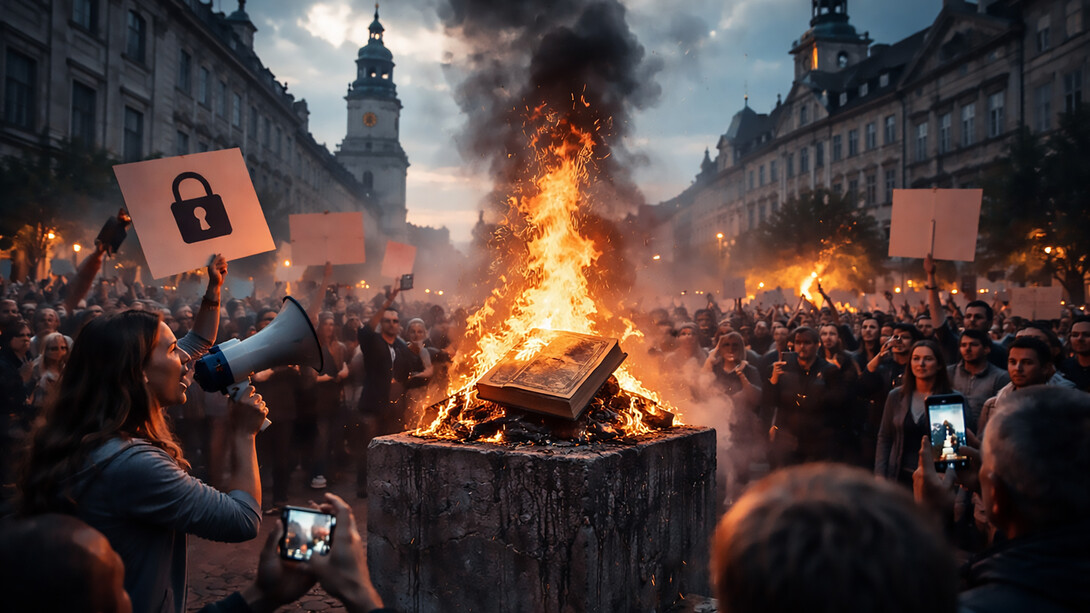
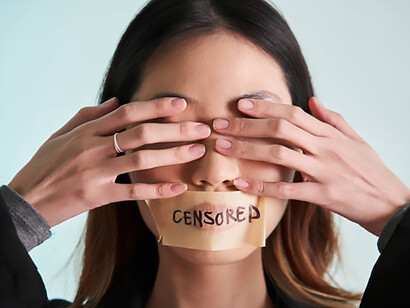
While it is important to be respectful to everyone, the right to free speech and freedom of expression is paramount if we are to preserve the things we care about most. It is for that reason that recent steps away from free speech and toward censorship in Europe are so concerning to many people. In Denmark, the burning and other harmful actions toward holy texts have been banned. There is speculation that this kind of intrusive policy decision may be the result of pressure being exerted on Danish lawmakers by other governments and actors around the world.
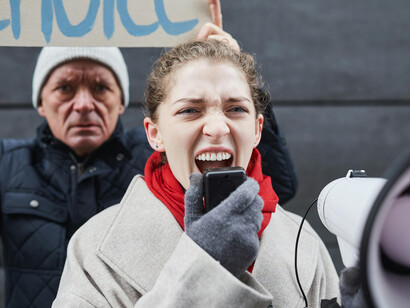
This is a step in the wrong direction, where we see things that formerly would have been taken through debate or used as a way to showcase disapproval of ideas in a given book. There is a fine line between protecting people and infringing on free speech. It is incumbent on our politicians and leaders to find that line. Sometimes burning holy texts has been used as a cheap trick by troublemakers to provoke minority groups and spark hatred, but it has also in Denmark been used by women to show their discontent with Iran and its treatment of women.
As with many other things, people can abuse a right or make use of it to an extent that is not pleasant and might be downright mean. This, however, should never lead to harming people's rights to freedom of expression in an attempt to prevent people from being hurt, even when foreign states are involved. For when rights like this are washed away, they rarely return, and a democratic country loses part of the foundation for debate and argument. Those most harmed by these changes are often those who do not want to provoke but to raise awareness around an issue such as women's rights in Iran, while provocateurs will try to find loopholes and workarounds and therefore not even solve the issues the government claims to address.
The government should not act in such a rushed and, to a certain extent, harmful way. The solution to the issues raised by the government is not to harm others’ rights but to stand firm and, of course, show the world that they disagree and think people who solely provoke to get a reaction should not be taken as representing everyone in Denmark’s view on any particular religion or belief. We have only achieved this consensus in Denmark because we were able to have the debate. Newspapers, television, and other media have hosted several people with opinions on Islam and on methods of protest.
When a certain method of protesting is no longer accepted, we also accept less debate. This could, to some using social media, sound like a splendid idea, since it would minimize strange Facebook and X debates that do not provide anything useful. It does, however, also harm debates among people closer to decision makers. The power of debate and protest without harm to others should therefore not be diminished to a question of current events and geopolitics. It is much more important than a fleeting threat, even if countries that do not support women’s rights are unhappy with how a Western country does things.
The solution to these fears should therefore not be restrictions and self-censorship. I can understand the reaction and willingness to address threats toward my country and its citizens. It is often a good idea to be cautious, because if you take a quick glance at the world, it seems to be more and more on fire every time we blink. The solution is, however, in this case, not caution toward the world, but caution toward our own democratic principles.
Keep letting the debate flourish and show the world that extremist views belong only to an almost non-existent minority. Let protest, for good and for bad, be present in society, for this not only allows opposites to meet but also allows people to gather against the evil that does exist and should be talked about.
In the long run, to counter extremist views and limit threats, we need to allow as many protests, debates, and arguments as possible to come forward. Because then we not only show the world that extremist views are held by the few, but we also allow those views to be debated, countered, and proven irrational. If we tell people to hide their views, they will not be debated to the same extent.
The most important thing is, however, that it also allows people to fight for the right thing. Women’s or LGBT rights in countries that oppress these groups can be pressured more if people are allowed to express themselves—even critically—about texts that they believe deny equal rights. The right of expression can offend people and even countries, but it is also what keeps democracies safe from extremism.
This article was written by Steffen Sjørslev. Steffen is a Danish writer and activist.