English
 Español
 Français
 Deutsch
 Italiano
 Português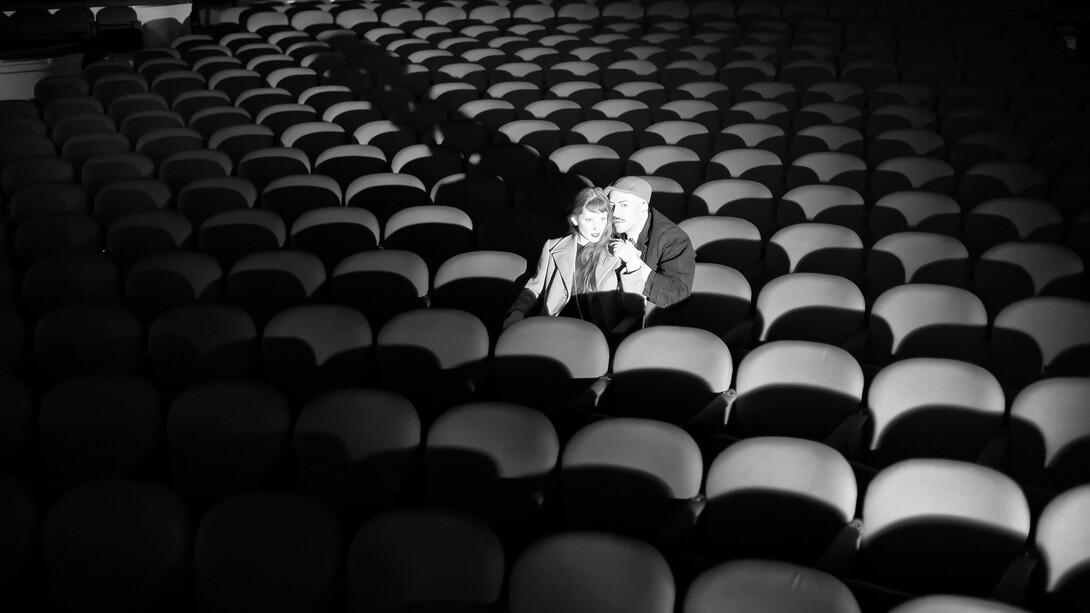
I sit in a half-filled theater, scanning rows of silvering hair and wondering, where are the young faces? It’s a question that haunts playhouses worldwide. We often rush to blame Generation Z—too busy with TikTok, too glued to their screens, too impatient to sit through a play. But is the culprit really a “short-attention-span” generation raised on 8-second videos, or has the theater itself failed to adapt and speak to a new era? In a world where content is interactive and on-demand, the stage has remained an analog love letter. Perhaps it’s time to ask: who truly ghosted whom—Gen Z or the theater?
The digital natives vs. the dusty stage
Gen Z grew up fluent in a digital language the old stage barely speaks. This is the generation of YouTube tutorials, Instagram stories, and TikTok virality. A recent Deloitte survey found Gen Zers increasingly opting for short-form, creator-driven content over traditional big-budget films and TV. Their media diet is quick, participatory, and algorithmically personalized. By contrast, theater can seem like a beautiful antique—rich in history but out of step with the interactive, immediate nature of modern media. Live shows start at a fixed hour, in a specific venue, demanding undivided attention for two hours or more. For digital natives used to anytime, anywhere entertainment, this alone is a hurdle.
Practical barriers also play a role. Researchers note Gen Z faces “limitations related to time, location, [and] cost” when it comes to theater. A teenager in 2026 might love the idea of Broadway, but not the hefty ticket price or the fact that it’s physically in New York. And if the content on stage feels disconnected from their lives—a “mismatch between current theatrical content and the concerns of this generation”—why would they make the effort?
Yet, it’s too easy to declare, "The kids just don’t appreciate theater." The truth is more complex. This generation hasn’t abandoned the essence of theatre—story, emotion, community—so much as the industry has struggled to meet them on their turf. In fact, 50% of young people surveyed said they’d be more interested in theater if they heard more about it. They’ve never seen live theater or Broadway mentioned in their social media feeds. You can’t spark curiosity in an audience that doesn’t even know you exist. Gen Z isn’t inherently anti-theater; in many cases, they’re unaware or under-engaged, drowned out by a deluge of other content.
Ironically, when asked, most Gen Z don’t want the theater to morph into some TikTok-lite gimmick. On the contrary, most would say live entertainment is a chance to “unplug and tune into real life,” a sacred space off the endless scroll. An overwhelming majority even prefer Broadway “remain Broadway and not change a thing” in its core experience. They treasure theatre’s authenticity and see it as an escape from digital noise, not just another content feed. This is a pivotal insight: Gen Z values what makes theater special—its realness, immediacy, and human connection—but they need an invitation and a reason to show up.
When the stage goes viral: sparks that caught Gen Z’s eye
Despite the headwinds, there are glimmers of hope—moments when theater broke through and captured Gen Z’s attention. In those cases, the fault lines between stage and screen suddenly disappear, and we see that young people will flock to compelling live stories if we meet them halfway.
Look at what happened on Broadway recently: a bold revival of Romeo + Juliet, starring Gen Z icons Rachel Zegler and Kit Connor, became an unexpected sensation. It drew the youngest Broadway audience in recorded history, with 14% of ticket buyers aged 18–25—a stark contrast to the usual 3%. On the surface, it looked like a triumph: cast actors with massive online followings, lean into the youthfulness of Shakespeare’s tragedy, and suddenly teenagers show up.
But this raises a deeper question: did they come for the show or for the stars? Was it Shakespeare that called to them—or the chance to see their TikTok favorites breathe on the same stage? It’s tempting to celebrate this as a win for theater, but we must ask: are we cultivating audiences, or just chasing fandoms? And when the glitter fades, will they still come for the play itself?
Then there’s the oddball case of Heathers: The Musical, a darkly comic show based on a 1980s film. It was far from a blockbuster in its initial run. Yet years later, Heathers became a sleeper phenomenon among teens thanks to a viral cast album and TikTok clips circulating online. Suddenly, a musical about 1989 high school misfits found fervent new life with kids born decades later. Six, another musical—this one a pop-concert reimagining of Henry VIII’s wives—evolved from a small Edinburgh Fringe show into a West End and Broadway hit fueled largely by online fandom. One of Six’s stars noted with amazement that her performance of “Don’t Lose Ur Head” racked up over a million views on TikTok via fan-made videos. Long before traditional marketing kicked in, Gen Z fans on TikTok and YouTube had spread the word for them. Those queens in corsets went viral, becoming as relevant on a teen’s For You Page as any pop star.
And who could forget “Ratatouille: The TikTok Musical”? In 2020, at the height of pandemic isolation, Gen Z and millennial creators on TikTok spontaneously crowd-sourced a musical out of a Disney cartoon about a cooking rat. It started as a silly trend—a song here, a dance there—but it snowballed into a full virtual musical with Broadway actors, streamed to hundreds of thousands of viewers. The unlikeliest of hits, born entirely on social media, became a professional production in just a month. As one producer noted, TikTok was “a more accessible arena than the Great White Way” for young creatives locked out of shuttered theaters. Gen Z didn’t just watch that musical; they built it. They showed that the appetite for theater was there, latent and powerful, if it could be remixed into their world.
These success stories carry a lesson: when theater finds a way into Gen Z’s ecosystem—be it through social media buzz or content that reflects their interests—young audiences respond with passion. They form “impassioned online fanbases," create fan art and animatics, sing the songs, and share the memes. They show up. We’ve seen it as far back as Rent and Spring Awakening, and more recently with Hamilton or Dear Evan Hansen, which young fan communities propelled to cultural touchstones in a “digital blizzard” of posts and art. The fandom of youth has literally brought shows back from the dead—Be More Chill had flopped regionally until teenagers streaming its cast album turned it into a viral hit that landed on Broadway. This generation that supposedly “doesn’t like theatre” has in fact saved theatre pieces they love, with the zeal of true believers. The catch is, they have to know it exists, see themselves in it, or ideally, be invited to co-create the experience.
Adapting the script: what theater can learn (and unlearn)
If these examples are the exception, how do we make them the rule? It’s clear that Gen Z will embrace theater when it genuinely speaks to them—when it sheds its aloofness and welcomes them in. So the task ahead is both daunting and thrilling: theatre must innovate without losing its soul. It must find modern pathways to deliver that timeless emotional punch that no Instagram feed can replicate. This isn’t about putting holograms on stage for the sake of it or pandering with slang-filled scripts that try to be “down with the kids” (that would backfire—authenticity is everything to Gen Z). It’s about meeting this generation halfway and showcasing the magic of live performance in a way that fits into their lives and values.
Changes mean nothing if the theater industry doesn’t actively listen to this generation. One striking finding in a recent study: 91% of young people said simply being asked about their opinions on Broadway made them more interested in going. Just ask them! It’s a poignant reminder that bridging the gap starts with dialogue. Have talk-backs and forums where Gen Z audiences can speak about what they want to see. Empower young playwrights, directors, and producers—who better to create the theatre of Gen Z’s dreams than Gen Z themselves? The more the next generation is involved in shaping theater, the less we’ll need to “guess” how to attract them.
Conclusion: a future still waiting in the wings
Standing at this crossroads, it’s clear that the future of theater hinges on a simple idea: connection. Not the Wi-Fi kind, but the human kind. Gen Z longs for authentic connection—perhaps more than any generation before, precisely because they’ve grown up amid digital distance. And theater, at its best, is connection. It’s that electric charge in the air when the lights go down and a story comes to life, unfiltered and unrepeatable. It’s the collective gasp, the shared laugh, and the muffled sob in row F. These are things no algorithm can replicate and no smartphone can replace. Theater's gift is to make us feel intensely present, together.
So will Gen Z and the theater reconcile? I believe they can—and must. The onus is largely on theater to extend a hand. To not sit back with arms crossed muttering “kids these days,” but instead to say, “We hear you. This stage is yours, too.” It means courage from the gatekeepers: taking risks on new formats, new stories, and yes, new talent. It means investing in outreach and education so a 15-year-old knows that theater isn’t just Shakespeare in stuffy language—it can be Hamilton’s hip-hop history or a play about climate activists, or anything she wants it to be. It means trusting that evolution does not equal betrayal of tradition; you can respect the art form’s roots while letting it grow in wild new directions.
And Gen Z? They might have to meet us halfway, too—by giving the “old” art form a chance. Thus far, when they’ve been invited in, many have come eagerly, even zealously. Perhaps the final question is not whether Gen Z has the attention span for theater, but whether theater has the imagination for Gen Z. Can the stage reimagine itself boldly enough to captivate a generation that fears for the future yet hopes to build a better one?
The alternative is unthinkable: a future where the curtain falls for good, simply because we didn’t bother to turn on the house lights and beckon young people inside. I refuse to believe that story ends that way. Instead, I picture a new generation filling theaters, claiming those spaces, and reshaping them. I picture a revival—not of one show, but of an entire art—fueled by the very generation once accused of killing it.
In the end, maybe it’s like a classic theatrical moment: the stage has been dark, the audience restless. Now the lights are coming up on a new act. If we, the current stewards of theater, have the courage to change, we might find Gen Z waiting in the wings, ready to step into the spotlight and carry the art form forward. And wouldn’t that be a show to remember? After all, the story of theater isn’t finished—its most exciting scenes may still lie ahead, co-written with the youth of today. It’s time to raise the curtain.
Because if we bridge this gap, if we ignite that spark of mutual understanding, we won’t just save theater—we'll ensure it lives on, transformed and thriving, in the hearts of a new generation. And if we don’t? The final blackout will answer that for us. Let’s not find out. Let’s dare instead to imagine a stage bursting with Gen Z energy, a true community of creators and spectators where, finally, everyone’s invited and everyone belongs.
The future of theater is calling, quietly but persistently, like a spotlight searching the rafters for who’s next. Gen Z is out there—curious, skeptical, passionate, distracted, and idealistic—waiting to be enchanted. It’s on us to make the magic that will bring them home.