English
 Español
 Français
 Deutsch
 Italiano
 Português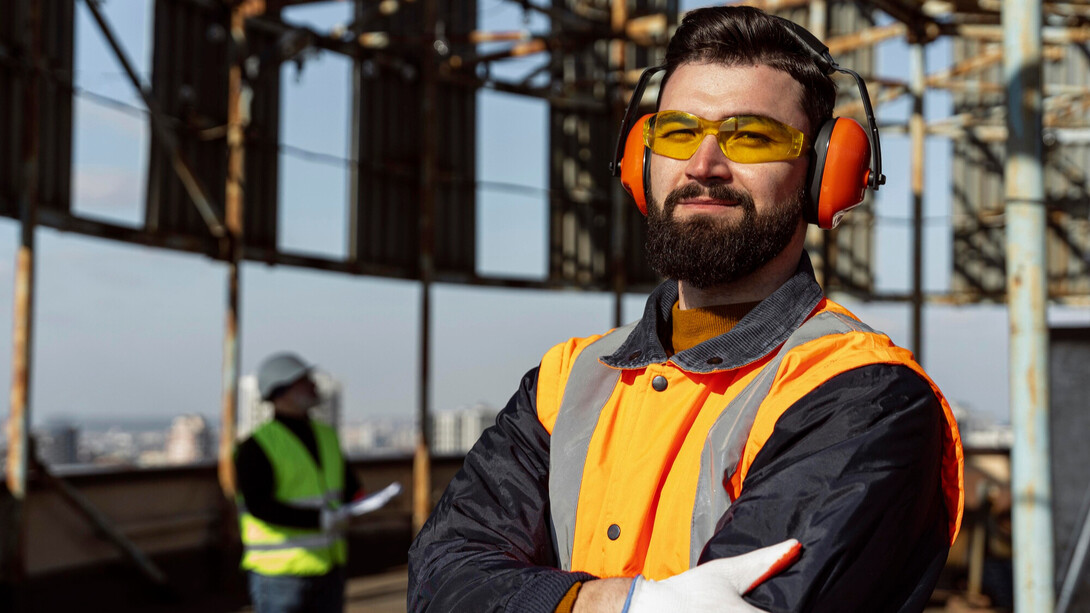
Manufacturing floors are built for speed and precision, but it only takes one off day for something to go wrong.
When fatigue and mental strain pile up, it does more than affect how people feel — it can change how they work and how consistently they follow safety expectations. That’s why safety compliance must live beyond manuals and checklists. It must also include a genuine culture that promotes physical safety and psychological well-being in the workplace.
Fatigue and stress are evident in a person's movements, reactions, and what they notice or miss. Over time, that mental strain can wear down safety habits and make self-compliance harder to maintain.
Mental health’s role in workplace accidents
In manufacturing, physical actions are closely tied to mental state. Focus, awareness and decision-making all play a role in how safely someone performs a task, whether they’re operating machinery or handling materials. When a worker’s mental bandwidth is stretched thin, familiar tasks can require more effort and carry more risk.
Fatigue often builds gradually over long hours, demanding production schedules, overtime or rotating shift work. As tiredness sets in, reaction times slow, judgment becomes less reliable and attention drifts — conditions that make mistakes more likely. National Safety Council (NSC) research suggests that 13% of workplace injuries occur due to fatigue1, so exhaustion is a real safety concern.
Stress, anxiety and burnout further compound these risks by narrowing focus and increasing cognitive overload. In high-pressure work cultures, workers may feel compelled to keep production moving at all costs, leading to skipped steps or bypassed safety measures.
According to another NSC safety report, 97% of workers are exposed to at least one workplace fatigue risk factor, while more than 80% face two or more. As a result, mental strain becomes less of an exception and more of a baseline condition in many facilities. When fatigue and stress become normalized, self-compliance tends to erode because they’re operating with diminished capacity.
The universal physical risks
It’s important to acknowledge the physical demands that define manufacturing work, as well. These day-to-day risks set the baseline for safety expectations and shape how fatigue and stress take hold over time.
Mechanical and motion hazards
Moving equipment is one of the most constant sources of risk in manufacturing. The machines used in this industry are powerful, fast and unforgiving. If something gets too close, an incident can easily occur at any point.
Conveyor belts, robotic arms and presses create pinch points that can pull clothing, gloves, hair or a hand in a split second. With 326,400 injury cases in manufacturing in 20232, it shows these hazards are risks that show up more commonly than many might think. The biggest concerns are crushing injuries, entanglement and lacerations, especially during clearing jams or maintenance.
Two of the top prevention methods are solid machine guarding and lockout/tagout (LOTO). These safeguards create a physical barrier between workers and moving parts, while LOTO ensures equipment is truly powered down before anyone reaches in.
Gravitational hazards
Some manufacturing injuries come from machines, while others come from gravity doing what it does best. Falling objects, unstable shelving, cluttered walkways and elevated work areas all introduce risks that are too easy to overlook.
They’re an easy miss because they’re part of the everyday environment. Yet, when materials aren’t stored properly, slips, trips, falls and struck-by incidents become much more likely.
Strong housekeeping practices are the key to reducing these hazards. Clear walkways, secured loads and properly rated storage systems keep materials where they belong instead of where someone might trip over or get hit. This is also where personal protective equipment comes into play. Hard hats protect against falling objects, while harnesses and fall protection systems are primarily used for tasks performed at heights.
Chemical and particulate exposure
Much of manufacturing involves contact with chemicals and airborne particles that can be harmful without being immediately obvious. Solvents, cleaning agents and acids can cause skin burns on contact, while metal dust or silica pose serious respiratory risks over time. These exposures don’t always lead to instant injuries, but their effects can build up and create long-term health issues.
Managing these risks starts with understanding what workers are exposed to and how these substances behave. Safety data sheets provide critical guidance on handling, storage and emergency response, while effective ventilation systems reduce airborne contaminants before they reach breathing zones.
A look at the dangers by sector
While many hazards are common across manufacturing, the risks vary in different settings. Each one can introduce dangers of its own based on the materials used, processes involved and pace of production.
Electronics manufacturing
In the electronics sector, danger is often less visible but no less serious. Electricity is the foundation of a product and a primary hazard during assembly, testing and maintenance. Industry experts commonly note that even relatively low voltages can pose a significant risk, with many safety standards treating any exposure of 50 volts or more as a threshold for a hazard assessment.3 Since precision is critical, fatigue or mental overload can quickly undermine careful handling, so strict protocols and alertness are essential for safe operations.
Food and beverage processing
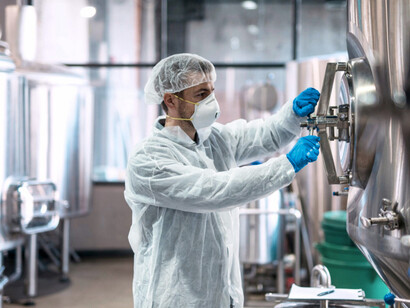
In food and beverage processing, hazards tend to center around biological risks, cross-contamination and extreme temperatures. Workers may handle raw ingredients, chemical sanitizers, and high-heat ovens or blast freezers in the same shift. The constant pressure to maintain hygiene standards while working in hot, cold or wet conditions can increase physical strain and mental fatigue, especially when production volumes surge or staffing levels are thin.
Automotive manufacturing
Automotive manufacturing places heavy strain on the body due to repetitive motions, awkward postures and fast-paced assembly line work. Even when tasks look routine, the combination of repetition and pace can increase the likelihood of strains and momentary lapses in safe technique. In fact, automobile and light-duty motor vehicle manufacturing reported a total recordable case rate of 6.2 non-fatal injuries per 100 full-time workers in 2023 [4], so the environment can be demanding even in highly engineered plants.
Textile manufacturing
Textiles introduce a different mix of risks, including combustible dust from fibers, as well as mechanical hazards from cutting, spinning and weaving equipment. Dust accumulation can create fire or explosion risks if improperly managed, while high-speed machinery presents ongoing entanglement concerns. Maintaining vigilance in these environments requires sustained focus, especially during long production runs.
Enhancing safety compliance through wellness and training
Improving safety policies is about supporting the people expected to follow them. When wellness and training are part of the safety strategy, compliance becomes more consistent and sustainable. Leverage the following tips to guard against workplace accidents and injuries through wellness strategies and training:
Build fatigue awareness into safety training: Help workers and supervisors recognize early signs of tiredness and fatigue, such as slow reactions or lapses in focus. This method enables leaders to address issues before they escalate into incidents.
Design schedules with recovery in mind: Limiting excessive overtime, rotating shifts thoughtfully and allowing adequate rest between shifts can reduce physical exhaustion and mental strain.
Reinforce safety procedures through regular refreshers: Short, frequent training sessions keep protocols top of mind and reduce reliance on memory alone, especially in high-risk or repetitive tasks.
Encourage open communication without penalty: Creating space for employees to speak up about fatigue, stress or unsafe conditions supports a culture where safety takes priority over speed or output.
Pair wellness initiatives with hands-on safety practices: Programs that support mental health, stress management and physical well-being are most effective when they’re clearly connected to day-to-day safety expectations on the floor.
A safer floor starts with a healthier workforce
In manufacturing, safety depends on how alert, supported and steady people feel during their shifts. When fatigue and mental strain build up, it becomes harder to stay on top of work and follow steps consistently. Make wellness and training part of your safety compliance strategy to reinforce self-compliance each day, and you get a workplace where safe habits are easier to maintain.
Notes
1 Fatigue in the Workplace: Causes & Consequences of Employee Fatigue at National Safety Council.
2 Employer-Reported Workplace Injuries and Illnesses - 2023 at U.S. Bureau of Labor Statistics.
3 Electrical Safety in Electronics Manufacturing at Lectronix, Inc.
4 Table 1. Incidence rates of nonfatal occupational injuries and illnesses by industry and case types at U.S. Bureau of Labor Statistics.